- Creatives want the proposed law expanded to cover more artistic disciplines.
- Intellectual property rights emerge as a key point of contention in the Bill.
- Stakeholders push for stronger opportunities for youth, women and persons with disabilities.
Stakeholders in Kenya’s creative industry have called for changes to the proposed Creative Economy Bill, 2026, to ensure it accommodates all sectors and addresses concerns over intellectual property rights.
During submissions to the National Assembly’s Departmental Committee on Sports and Culture at Bunge Tower on Thursday, the stakeholders urged lawmakers to broaden the scope of the legislation. They want it to include performing and literary arts, fashion, design and pageantry.
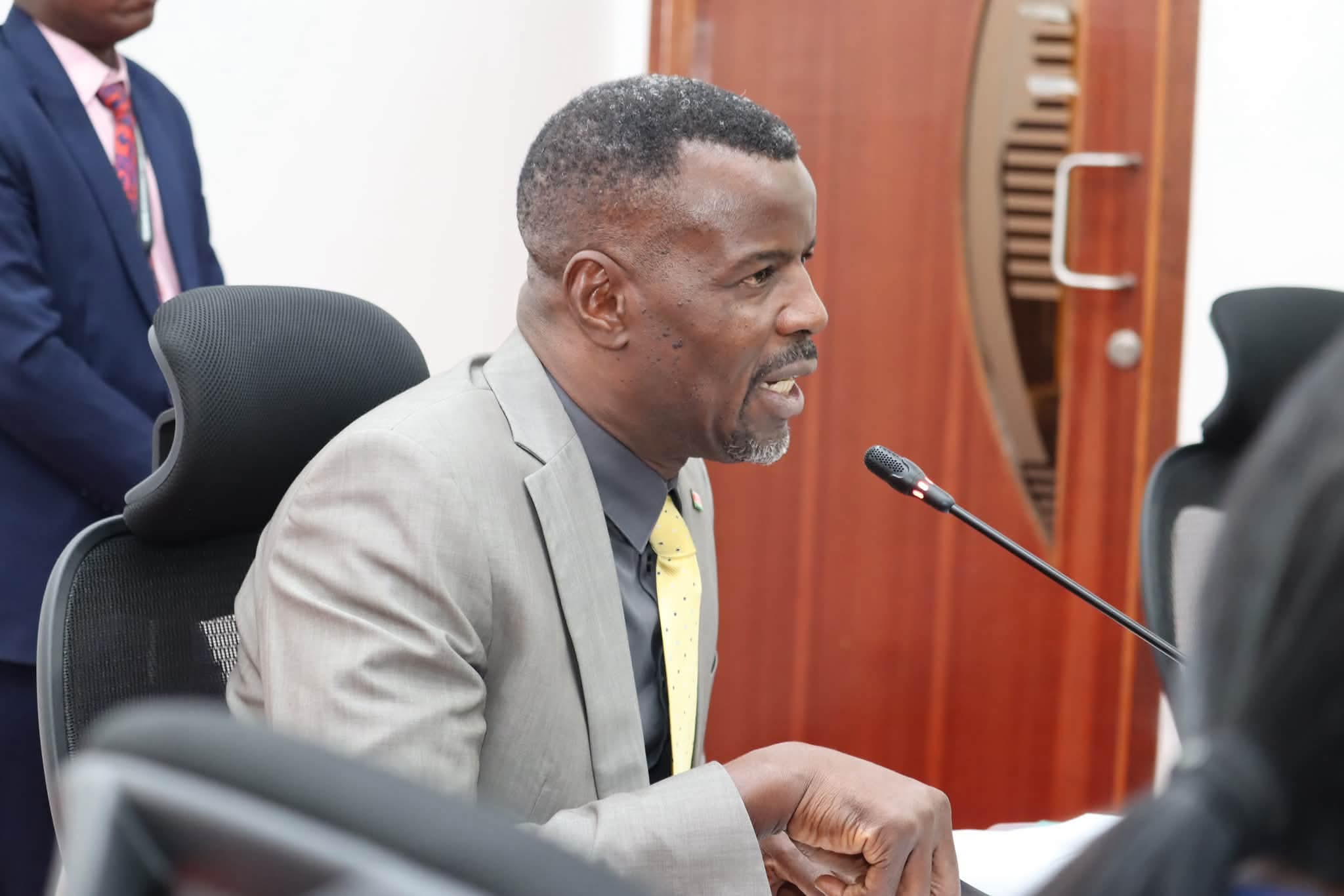
The committee, chaired by Webuye West Member of Parliament (MP) Daniel Wanyama, was considering the Creative Economy Bill, 2026, sponsored by the legislator. The Bill seeks to establish a unified legal framework for the promotion, development and regulation of the creative sector.
Representatives from the State Department for Youth Affairs and Creative Economy and the Creative Society of Kenya were among those who presented their views on the proposed law.
On the positive side, the stakeholders welcomed provisions recognising prior learning in the creative industry. They said the move could help acknowledge skills acquired through practical experience and strengthen professionalism in the sector.
However, they urged the committee to expand the scope and composition of institutions proposed under the Bill. This, they argued, would ensure that different creative disciplines are adequately represented in decision making and implementation.
READ:
They also called for stronger incentives and more opportunities for young people, women and persons with disabilities to participate and benefit from the growing creative economy.
Likewise, the proposed repeal of the Films and Stage Plays Act, Cap. 222, received support from the creatives. They argued that the existing law does not adequately reflect the changing nature and expanding scope of the industry.
A key point of contention was Clause 5(2), which excludes matters relating to intellectual property rights from the application of the proposed Act.
The stakeholders called for the deletion of the clause, arguing that intellectual property is central to the creative economy. According to them, it covers the creation, production, distribution and commercial exploitation of creative works.
They warned that excluding such matters could undermine the legislation’s ability to address issues affecting artists and other players who depend on their creative output for income.
The committee is expected to consider the views presented by stakeholders as it prepares its report to the House.
Wanyama assured those who made submissions that their recommendations would be taken into account in the committee’s report, as Parliament considers the proposed legislation.
By Jeff Kirui
Get more stories from our website: Sacco Review.
For comments and clarifications, write to: Saccoreview@
Kindly follow us via our social media pages on Facebook: Sacco Review Newspaper for timely updates
Stay ahead of the pack! Grab the latest Sacco Review newspaper!