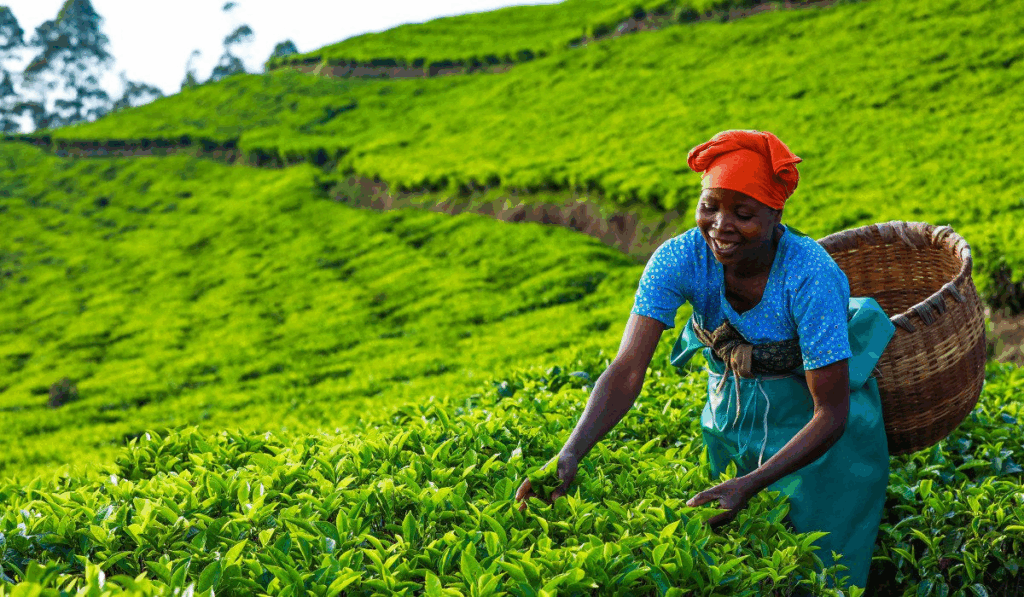

- Moi University turns institutional land into a commercial agricultural investment.
- Sugarcane expansion targets higher production and additional institutional revenue.
- Partnership with West Kenya Sugar offers a ready market for harvested cane.
Moi University is turning its vast land resources into a major commercial agricultural venture, targeting 1,500 acres of sugarcane farming in an ambitious revenue generation strategy aimed at easing the financial pressure facing public universities.
The institution has already established a 750 acre sugarcane plantation at its main campus in Kesses, Uasin Gishu County, under a Ksh105 million project that seeks to transform university land into a productive economic asset.
The initiative signals a growing shift in how public universities are approaching financial sustainability, with institutions increasingly exploring commercial ventures to supplement government funding, tuition fees and other traditional sources of income.
For Moi University, sugarcane farming presents an opportunity to unlock the economic potential of its extensive land while creating an additional revenue stream to support academic programmes, institutional operations and future development.
The university intends to double the current acreage to 1,500 acres, an expansion that could significantly increase its production capacity and potential earnings.
The sugarcane project carries an estimated investment of Ksh105 million, covering land preparation, planting, weeding and general crop management.
Farm manager Tobias Okeno estimates the initial establishment cost at approximately Ksh70,000 per acre, although actual expenditure is influenced by prevailing farm conditions, labour requirements and weather patterns.
IN CASE YOU MISSED IT:
The investment reflects the scale of the university’s ambition to establish commercial agriculture as a meaningful contributor to its financial sustainability.
Rather than leaving extensive parcels of institutional land underutilised, the university is seeking to convert them into income-generating assets capable of delivering returns beyond the traditional academic model.
The venture is not solely about commercial production. It also incorporates an agricultural research component that could benefit farmers across the North Rift region.
Moi University has planted eight fast-growing sugarcane varieties to establish which are best suited to the soil and climatic conditions in Kesses.
The varieties have different maturity periods, meaning harvesting will be undertaken in phases depending on their growth cycles.
The university projects an average yield of approximately 40 tonnes per acre, although actual production will depend on rainfall, soil fertility, crop management and the performance of individual varieties.
The findings could provide useful agricultural information to surrounding communities, particularly farmers interested in diversifying into sugarcane cultivation.
By testing different varieties under local conditions, the institution could also contribute to improved farming practices and more informed decisions among prospective sugarcane growers.
A major component of the initiative is the partnership between Moi University and West Kenya Sugar Company.
In November 2025, the university advertised a tender seeking private sector partners to support its sugarcane farming venture.
West Kenya Sugar was selected to provide seed cane, technical expertise and agronomic guidance throughout the production process.
READ ALSO:
The company is also expected to purchase the harvested sugarcane for milling, providing the university with an established potential market for its produce.
The partnership is particularly important because commercial sugarcane farming requires more than access to land. Farmers must also secure quality planting materials, technical support, harvesting arrangements and reliable buyers.
Nevertheless, the ultimate profitability of the venture will depend on production expenses, harvesting costs, transportation, cane quality and the payments received from the miller.
The projected yields indicate the scale of revenue that the university could potentially unlock once the plantation reaches its targeted acreage.
Using the estimated production of 40 tonnes per acre and an indicative price of Ksh5,500 per tonne, the financial projections are substantial.
At the current 750 acre scale, the university could harvest approximately 30,000 tonnes of sugarcane, translating into estimated gross revenue of Ksh165 million.
Doubling the plantation to 1,500 acres could increase production to approximately 60,000 tonnes, potentially generating Ksh330 million in gross revenue.
The projections, however, should not be mistaken for guaranteed profits. They assume that the entire plantation achieves the estimated yield and that the indicative price applies to all harvested cane.
The figures are also before deducting production, harvesting, transportation and other operational expenses.
Consequently, the actual financial benefit will only become clear after the university accounts for the full cost of production and receives payment for its harvested crop.
Moi University expects to complete harvesting the initial 750 acres by June 2027.
The first harvest will provide an important assessment of the project’s productivity, the performance of the eight sugarcane varieties and the financial returns achievable through the partnership.
Its success could strengthen the case for expanding cultivation to the targeted 1,500 acres and establishing commercial agriculture as a significant component of the institution’s revenue strategy.
By Hillary Muhalya
Get more stories from our website: Sacco Review.
For comments and clarifications, write to: Saccoreview@
Kindly follow us via our social media pages on Facebook: Sacco Review Newspaper for timely updates
Stay ahead of the pack! Grab the latest Sacco Review newspaper!