
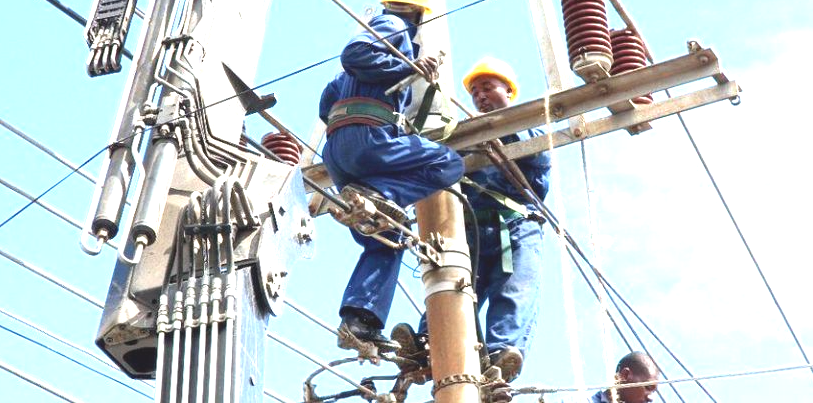
- Kenya Power has raised concerns over changes that could affect household electricity pricing.
- Large commercial consumers switching suppliers could weaken a longstanding tariff support arrangement.
- Seven practical changes could help households reduce electricity consumption and monthly bills.
Kenyan households could face higher electricity bills as changes in the power sector threaten an arrangement that has shielded domestic consumers.
Kenya Power has cautioned that the growing opening of the electricity market to alternative suppliers could weaken the cross-subsidy model that has traditionally supported household electricity pricing.
In its latest annual report, the utility raised concerns that allowing large commercial and industrial consumers to source electricity directly from competing suppliers could reduce the revenue used to support the existing arrangement.
Under the model, commercial and industrial customers generally pay higher electricity rates, helping Kenya Power offset some of the costs of supplying domestic consumers. However, as major electricity consumers explore alternative suppliers, the utility could lose an important revenue stream, potentially exposing households to increased electricity expenses.
Although the actual impact on domestic tariffs will depend on regulatory decisions and developments in the electricity market, households can take immediate steps to reduce unnecessary power consumption. Here are seven practical measures that could help Kenyans lower their electricity bills.
IN CASE YOU MISSED IT:
Harambee Sacco opens Nanyuki branch, targets 350,000 members
One of the simplest is replacing traditional bulbs with energy-efficient LED lights. LED bulbs consume significantly less electricity while providing comparable lighting, making them a cost-effective option for households seeking to reduce monthly expenses. Consumers can begin with frequently used areas, including sitting rooms, kitchens, bedrooms and corridors. The savings can become more noticeable in households where lights remain switched on for several hours daily.
Households should also use their refrigerators more efficiently, since these are among the appliances that consume electricity continuously. Setting the refrigerator to the manufacturer’s recommended temperature helps prevent unnecessary power consumption. Consumers should also avoid opening it repeatedly or leaving its door open for extended periods because this allows cold air to escape, forcing the appliance to work harder. Checking door seals regularly can likewise prevent cold air leakage and unnecessary energy wastage.
Switching off appliances instead of leaving them on standby is another useful step. Electronic devices can continue consuming electricity even when they appear to be switched off. Televisions, decoders, gaming consoles and other household electronics may draw standby power when left connected to electricity. Switching them off at the mains when not in use can help minimise unnecessary consumption, and households can make this a routine practice, particularly before going to bed or leaving home.
Smarter electric cooking habits can also make a difference, as how households prepare meals can influence their overall electricity consumption. When using electric cookers, consumers should ensure cooking pots match the size of the heating elements to avoid wasting energy. Covering pots while cooking helps retain heat, allowing food to cook faster and reducing the time appliances remain switched on. Preparing several meals together rather than repeatedly heating an oven for small portions can further improve energy efficiency.
READ ALSO:
Washing machines should not be run with small loads either. Frequent washing of a few clothes at a time can contribute to unnecessary electricity consumption. Households can improve efficiency by waiting until they have a reasonably full load before operating their machines. However, overloading should be avoided because it can affect performance and potentially damage the appliance. Using appropriate washing cycles and lower-temperature settings where suitable can reduce electricity consumption further.
Unplugging chargers and electronic devices when not in use matters as well. Phone chargers, laptop adapters and other electronic accessories should not remain connected to electricity unnecessarily. Although individual chargers may consume relatively little power when idle, several connected devices can contribute to avoidable energy consumption over time. Consumers should therefore develop the habit of disconnecting chargers after use and switching off extension sockets when they are not needed.
Finally, households should monitor appliance energy consumption. Understanding how much electricity different appliances consume can help families identify where most of their energy expenses originate. Consumers can check the wattage displayed on appliance labels or in manufacturers’ manuals to establish their electricity requirements.
A plug-in energy monitor can also help measure the consumption of compatible appliances. This information allows households to identify energy-intensive equipment, adjust usage patterns and consider replacing inefficient appliances with more economical alternatives.
By Hillary Muhalya
Get more stories from our website: Sacco Review.
For comments and clarifications, write to: Saccoreview@
Kindly follow us via our social media pages on Facebook: Sacco Review Newspaper for timely updates
Stay ahead of the pack! Grab the latest Sacco Review newspaper!