
- Government outlines measures to cut dairy production costs
- New investments target milk losses, breeding and animal feed
- Farmers set to benefit from wider support across the dairy value chain
The Government has rolled out a Ksh1.428 billion dairy investment plan targeting lower production costs, higher output and better incomes for farmers.
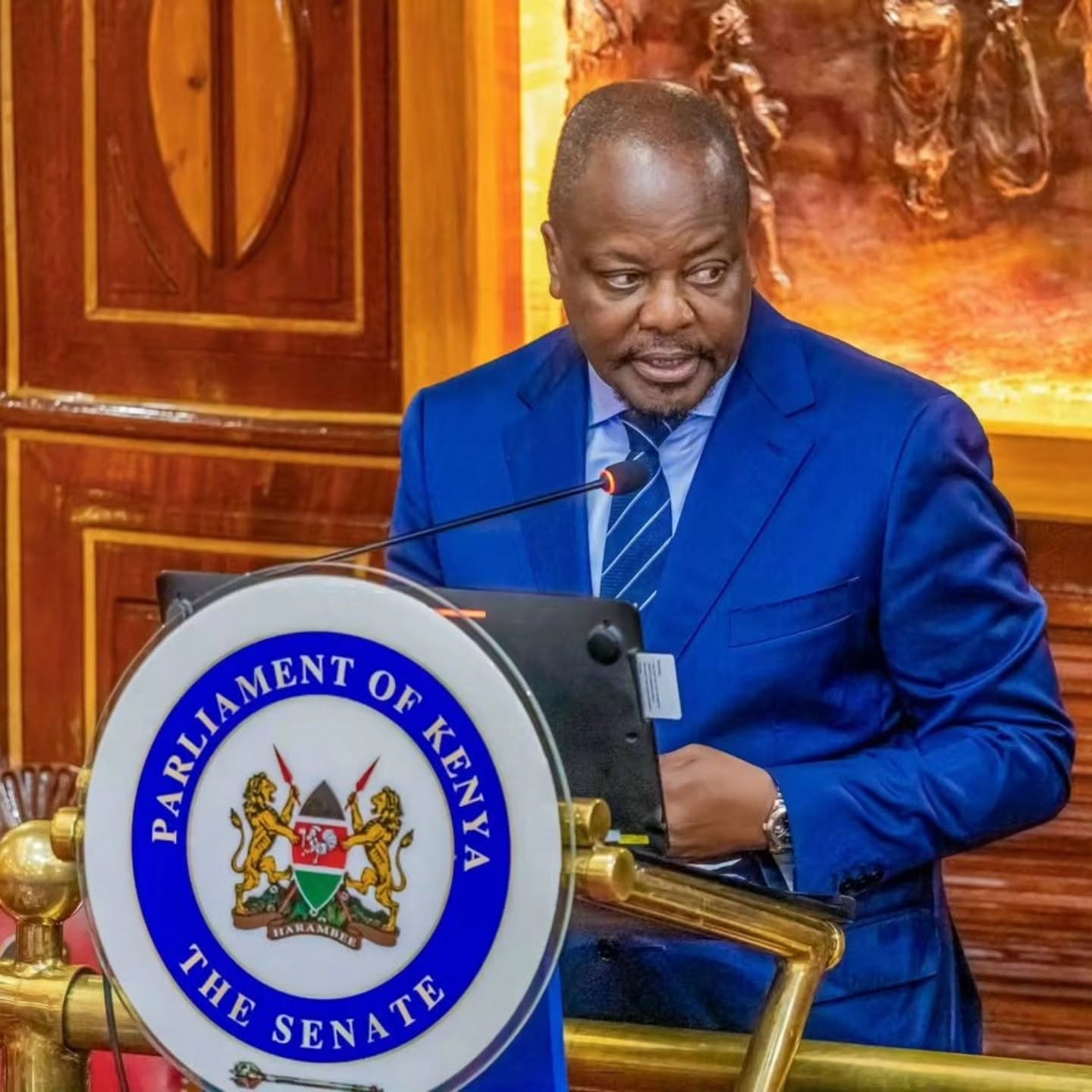
Speaking before Parliament while responding to questions on the agriculture sector, Agriculture and Livestock Cabinet Secretary Mutahi Kagwe outlined a raft of measures designed to stabilise the dairy value chain and ease the burden on producers.
At the centre of the plan is an investment in 230 bulk milk coolers, 200 of them solar-powered, meant to strengthen milk aggregation and reduce post-harvest losses.
The solar units alone are projected to save dairy cooperatives roughly Ksh73 million a year in electricity costs. Collectively, the coolers will support more than 115,000 farmers across 41 counties, helping them aggregate an estimated 475,000 litres of milk daily.
Genetics is also getting a push. Under a new subsidy programme, the price of sexed semen has dropped by nearly 65 percent, from Ksh2,900 to Ksh1,000 per dose, putting improved breeding stock within easier reach of smallholder farmers.
Feed costs remain a persistent headache for dairy farmers, and the Government says it is moving on several fronts to address this. These include the launch of the National Animal Feeds Development Strategy and the establishment of a National Strategic Feeds Reserve.
YOU MIGHT HAVE MISSED:
A Land Commercialisation Initiative is also opening up underused government land, including farms belonging to the Agricultural Development Corporation (ADC) and the Kenya Agricultural and Livestock Research Organisation (KALRO), for commercial fodder production.
Private investment is being drawn in too. Dutch feed manufacturer De Heus is setting up a Ksh300 million feed mill in Athi River, while an agreement with UAE-based Al-Dahra will see up to 200,000 acres at Galana-Kulalu put to agricultural use.
To sweeten the deal further, the Government has introduced duty waivers and VAT exemptions on selected raw materials used in feed production.
Underpinning these interventions are regular cost-of-production studies, which currently put the average cost at Ksh36.2 per litre across different production systems. The Ministry says these figures continue to guide policy decisions and help keep producer prices sustainable as demand for milk rises.
The Kenya Dairy Board (KDB) has reaffirmed its commitment to working with the Ministry of Agriculture and Livestock Development to ensure the investments deliver real gains for farmers and build a stronger, more resilient dairy value chain.
By Benedict Aoya
Get more stories from our website: Sacco Review.
For comments and clarifications, write to: Saccoreview@
Kindly follow us via our social media pages on Facebook: Sacco Review Newspaper for timely updates
Stay ahead of the pack! Grab the latest Sacco Review newspaper!