
- Kenya is exploring a new livestock option that could reshape premium dairy production.
- Researchers will assess whether the animals can adapt to local farming conditions.
- Interest is growing among farmers and regional stakeholders as preparations for the pilot continue.
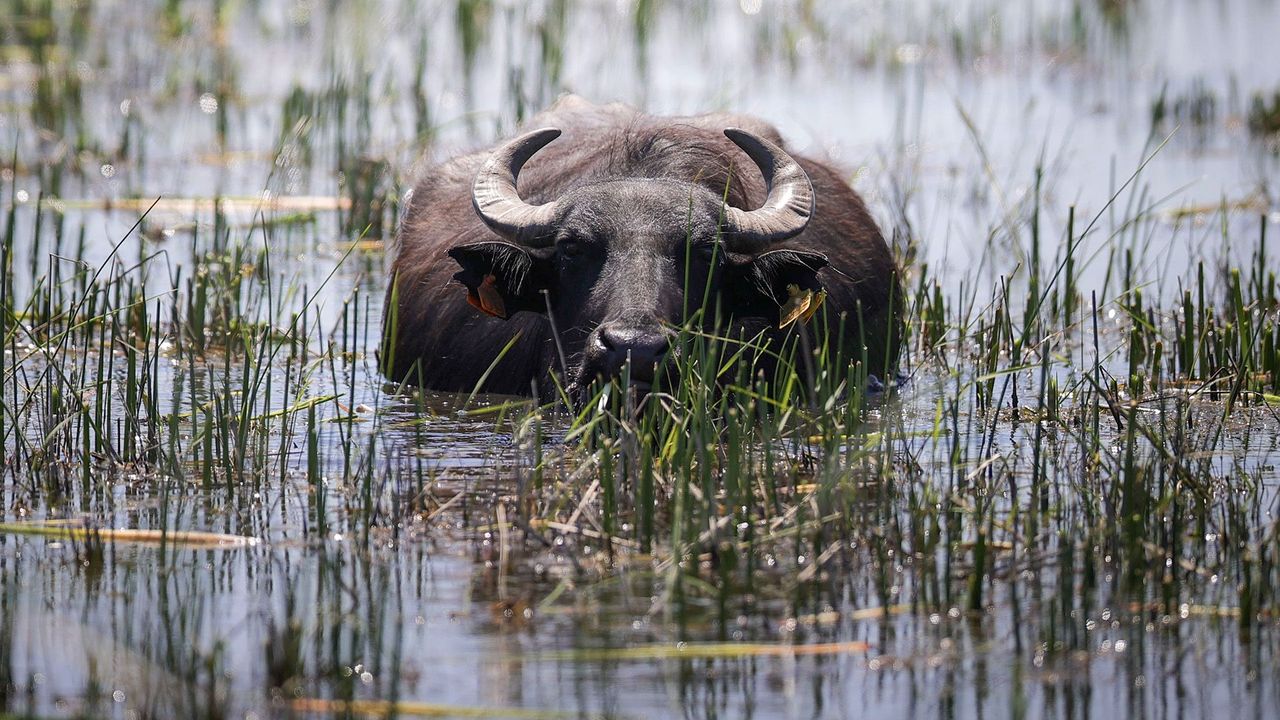
Kenya is preparing to introduce water buffaloes from India in a pilot programme that could open new opportunities in dairy farming, premium milk products and livestock breeding, but prospective farmers will have to wait for scientific findings before the animals are made available for wider commercial use.
The Kenya Animal Genetic Resources Centre (KAGRC) is coordinating the initiative, which seeks to establish whether the animals can thrive under Kenyan farming conditions and deliver sustainable returns to livestock keepers.
The programme comes as the government explores alternative livestock genetics that could help diversify dairy production, improve milk quality and expand the range of animal products available to farmers and processors.
Speaking in an interview on October 17, 2026, KAGRC Managing Director Dr Benadatte J. Misoi said the initial importation would be strictly experimental, with researchers expected to assess the animals before recommending their adoption by farmers.
“This is the first time we are bringing in the water buffalo. The few that we are bringing are for piloting, and we want to study their behavior and how they will adapt to our new environment before we allow farmers to buy them for their farms,” Misoi said.
The pilot is expected to run for between six months and one year, during which specialists will evaluate the animals’ productivity, reproductive performance, health and ability to adapt to local conditions.
Despite growing interest from prospective buyers, KAGRC has indicated that the initial scientific assessment must be completed before the animals can be recommended for wider adoption.
Misoi said the centre had received numerous inquiries from farmers and potential partners seeking information about acquiring the animals.
More than 800 farmers have reportedly expressed interest in the initiative, reflecting growing curiosity about alternative livestock breeds and the potential commercial value of buffalo milk.
However, interest alone will not determine whether the animals are introduced into local farming systems.
READ:
KAGRC intends to use evidence from the pilot to establish whether the animals are suitable for Kenyan conditions, what it would cost to maintain them and whether farmers could achieve reliable production over time.
The centre is also receiving inquiries from stakeholders in Uganda, Tanzania and South Africa, suggesting that the outcome could attract interest beyond Kenya.
For now, prospective buyers will have to await the findings of the trial rather than assume that commercial importation is already open.
According to Misoi, the proposed consignment will include pregnant females, females in their first lactation and two bulls.
KAGRC also plans to import buffalo semen to support breeding activities and the assessment of reproductive performance.
Once the animals arrive in Kenya, they are expected to undergo a 21-day quarantine period at Jamhuri for disease-control purposes before being transferred to KAGRC for further management and evaluation.
Indian specialists are also expected to train Kenyan personnel in buffalo handling, husbandry and breeding techniques.
The training is intended to strengthen local expertise in managing a species that is not yet established in Kenya’s mainstream commercial dairy sector.
The importation process was still underway as of October 17, with the necessary veterinary clearances and import documentation forming part of the preparations.
Misoi said the disease-control protocols had been completed and the import permit process was nearing completion at the time of the interview.
The process involves veterinary authorities in Kenya and India to ensure that the animals meet the applicable animal-health requirements before entering the country.
One of the central questions the pilot will address is whether Kenyan farmers can maintain water buffaloes without incurring prohibitive management costs.
According to Misoi, the animals may be able to utilise lower-quality feeds, potentially offering an alternative to some specialised dairy cattle breeds whose nutritional requirements can be expensive to meet.
However, the ability to use different feed resources does not automatically mean buffaloes will be cheaper to maintain. Their actual feeding requirements, productivity and overall costs will need to be established under local conditions.
Water availability and temperature management will also be important considerations.
Misoi indicated that an animal could require approximately 40 litres of water daily, while additional cooling measures may be necessary during hot weather because water buffaloes have relatively limited capacity to lose heat through sweating.
These requirements could influence where farmers can successfully keep the animals, particularly in areas where water is scarce or temperatures remain high for extended periods.
The pilot will also examine susceptibility to diseases found in Kenya, including tick-borne infections, to establish appropriate veterinary management and the risks farmers might face.
Researchers are expected to assess fertility, reproductive performance and longevity to determine whether the animals could remain productive enough to justify the cost of acquiring and maintaining them.
READ ALSO:
Water buffaloes have a gestation period of approximately 10 months, although reproductive performance varies by breed and management conditions.
The potential to produce milk with higher fat and protein content is among the main reasons Kenya is exploring water buffaloes.
Misoi said buffalo milk typically contains more fat and protein than cow’s milk, making it potentially suitable for value-added products such as cheese and yoghurt.
She cited a fat content of approximately 7.5 per cent in buffalo milk, compared with levels of up to four per cent in the cattle breeds referenced by the centre.
Higher milk solids can be advantageous in processing because they may improve the suitability of milk for certain dairy products. However, the commercial benefits would depend on production volumes, processing costs, consumer demand and the prices buyers are willing to pay.
“We want to do more products of milk, in terms of cheese and premium yogurt, because the fat content and the protein content are so high compared to cow’s milk,” Misoi said.
For dairy farmers and processors, the initiative could create opportunities to diversify beyond conventional liquid milk production if the animals prove productive and the market supports the additional investment.
KAGRC is also considering the possible value of buffalo meat and hides, which could offer additional income streams along the livestock value chain.
Nevertheless, the pilot will need to establish whether these potential benefits can be achieved consistently in Kenya rather than relying solely on the animals’ performance in other countries.
The proposed importation reflects a broader effort to explore livestock genetics and technologies that could increase the value of agricultural production.
KAGRC’s role includes producing, preserving and distributing animal genetic material, supporting breeding programmes and helping improve livestock productivity through research and technology.
The institution was established in 2011 as the successor to the Central Artificial Insemination Station, which dates back to 1946.
It supports breeding programmes involving several cattle breeds, including Friesian, Ayrshire, Guernsey, Jersey, Boran and Sahiwal, as well as different goat breeds.
The buffalo pilot would extend its work into the evaluation of another livestock species with potentially different production characteristics and management requirements.
However, the introduction of a new species requires more than confirming its ability to survive. Productivity, animal welfare, disease management, breeding performance, water access and the financial implications for farmers must also be considered.
These factors will help determine whether the animals can fit into Kenya’s varied agricultural systems and whether their introduction would offer meaningful advantages over established dairy breeds.
Farmers considering water buffalo farming should distinguish between the ongoing pilot programme and any future commercial importation arrangements.
KAGRC has indicated that it wants the initial animals to arrive and undergo scientific evaluation before making recommendations on wider adoption.
Prospective buyers seeking official information on the programme can contact KAGRC through its published telephone number, 0728 899767, or email info@kagrc.go.ke. The institution’s official communication channels may also provide updates on the importation process.
Ultimately, the success of the initiative will depend on whether the animals can deliver reliable production under Kenyan conditions at a cost farmers can sustain.
If the findings are favourable, water buffaloes could offer another option for livestock keepers and processors seeking to diversify dairy products. If significant challenges emerge, the pilot could help prevent farmers from making costly investments in animals that may not suit their circumstances.
By Hillary Muhalya
Get more stories from our website: Sacco Review.
For comments and clarifications, write to: Saccoreview@
Kindly follow us via our social media pages on Facebook: Sacco Review Newspaper for timely updates
Stay ahead of the pack! Grab the latest Sacco Review newspaper!