- Lawyers have given PwC seven days to release its forensic audit of collapsed KUSCCO for a pending High Court petition.
- The petitioner argues that the Sacco Deposit Guarantee Fund remains non-operational despite being established under the 2008 law.
- The case cites KUSCCO’s reported Ksh12.5 billion deficit and alleged Ksh50 billion in phantom loans at Metropolitan National Sacco.
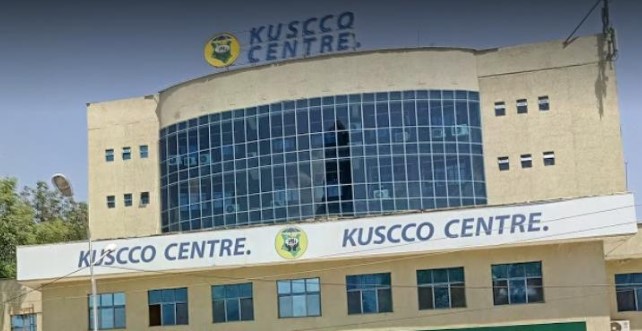
A court battle over unprotected Sacco savings has turned to a single document, the forensic audit of the collapsed Kenya Union of Savings and Credit Cooperatives (KUSCCO). Lawyers for the petitioner now want PricewaterhouseCoopers (PwC) to hand it over.
Allan Mulama Advocates wrote to the audit firm demanding a certified copy of the report within seven days. PwC finished the audit in September 2024. According to the lawyers, it is central to a petition pending at the Nairobi High Court. Their client, Simiyu Robert Wanyonyi, was told by the court on October 12 to secure it within 14 days. If PwC does not comply, the advocates say they will ask the court to compel it.
Wanyonyi’s petition faults the government for never putting the Deposit Guarantee Fund to work. Sections 55 to 59 of the Sacco Societies Act, 2008, created the fund. Its purpose is to shield members’ deposits when a regulated savings and credit cooperative society fails.
IN CASE YOU MISSED IT:
Yet the petition argues the fund exists only on paper. It holds no liquid reserves, has no board of trustees and has not paid a single depositor, the lawyers say.
KUSCCO is their lead example. The letter says the union collapsed with a net deficit of about Ksh12.5 billion, a figure PwC established. They add that the Cabinet Secretary for Cooperatives confirmed it before the Senate on May 13, 2026, and that Grant Thornton reached a similar finding.
A second case sits beside it. The advocates allege that Metropolitan National Sacco Society Limited built up about Ksh50 billion in phantom loans while under the watch of the Sacco Societies Regulatory Authority (SASRA). In their words, the problem is structural, and so must be the remedy.
They also lean on SASRA’s own court filing. A replying affidavit, they say, shows its chief executive accepting that the fund was never set up and that no trustees were named.
By Benedict Aoya
Get more stories from our website: Sacco Review.
For comments and clarifications, write to: Saccoreview@
Kindly follow us via our social media pages on Facebook: Sacco Review Newspaper for timely updates
Stay ahead of the pack! Grab the latest Sacco Review newspaper!