- Kiambu farmers are being introduced to modern techniques to improve tomato production.
- Experts say grafting could help farmers overcome persistent pests and diseases.
- The partnership aims to improve harvests, farmer incomes and access to quality seedlings.
Vegetable farmers, and especially tomato farmers, in Kiambu County are set to generate fortunes from their farming after receiving training on modern tomato grafting technologies.
Tomato grafting is the horticultural technique of joining the upper fruiting part of a tomato plant (the scion) onto a disease resistant or vigorous lower root system (the rootstock) so they grow as a single plant.
The programme, a joint venture between the Korea Partnership for Innovation of Agriculture (KOPIA) and the Kiambu County government, aims to equip farmers with the best modern farming practices to increase tomato yields and improve their incomes.
Experts from KOPIA held a training programme for over 100 farmers at the Juja Farm area in Juja constituency. They noted that tomato grafting is one of the most effective ways of dealing with the soil-borne pests and diseases that cripple tomato farming in most regions.
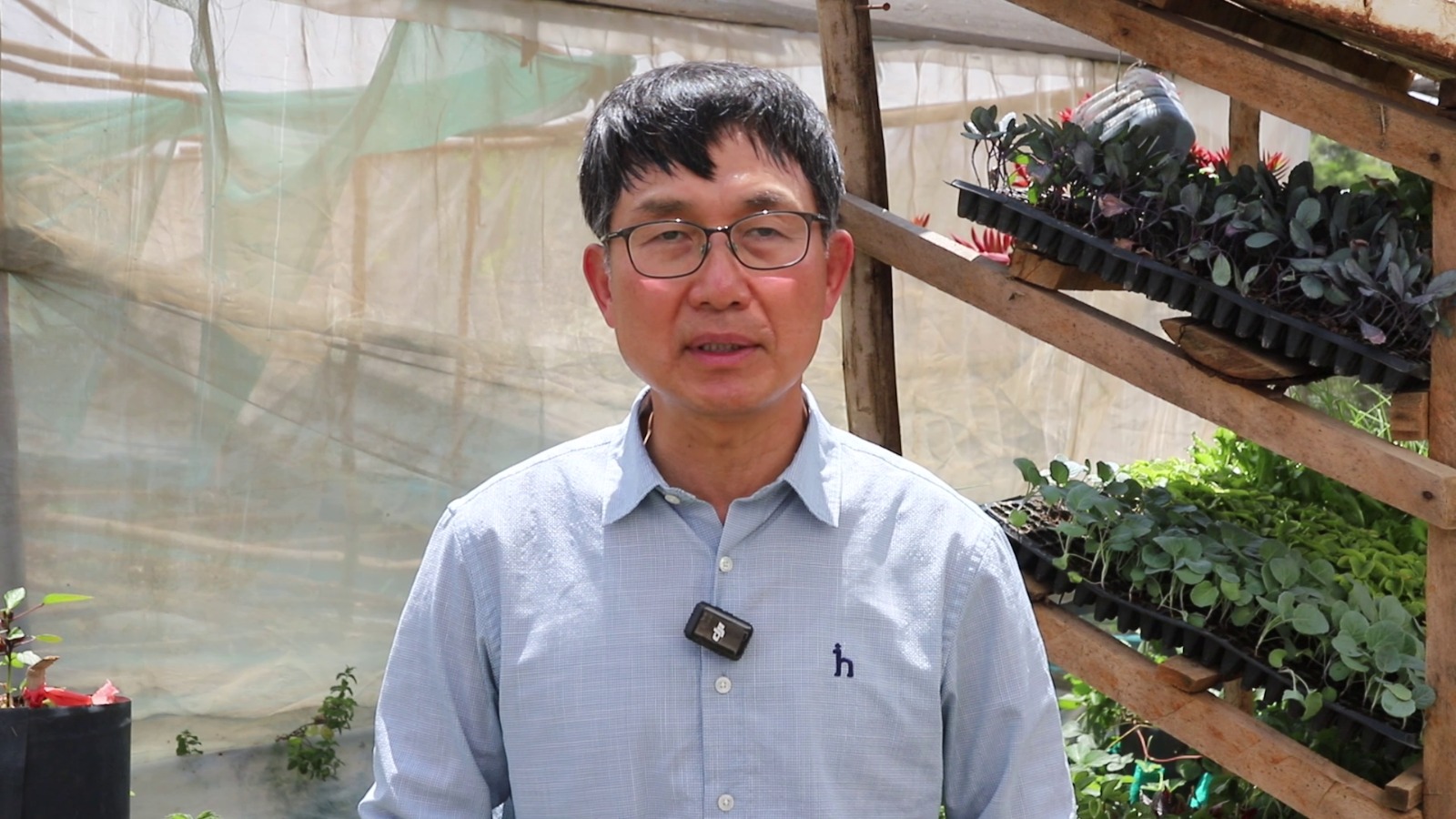
Led by KOPIA Kenya Director Dr Ji Gang Kim, the experts said the new technology enhances resistance to soil-borne diseases by protecting plants against aggressive soil pathogens and pests, including Fusarium wilt, Verticillium wilt, corky root rot, bacterial wilt and root-knot nematodes.
“Most farmers have been incurring losses in their farming because of overreliance on the conventional methods of farming. We are training them on the latest technologies that will maximise their yields and generate good returns while playing a crucial role in ensuring and enhancing food security in the region and across the country,” Dr Kim said.
He noted that tomato grafting increases vigour and yield by strengthening the root system, allowing the plant to draw more water and nutrients. “Studies show grafted tomatoes can increase marketable yields by 30% to 50% compared to ungrafted plants,” he said.
READ:
Dr Kim, who was accompanied by other KOPIA experts and the Kiambu County Chief Officer in charge of Agriculture, Bernard Njoroge, added that grafting also improves resilience against environmental extremes such as high soil salinity, drought, excessive moisture and extreme heat or cold.
Joseph Munyua, an agricultural research scientist based in Juja, encouraged farmers to adopt the new technologies so as to beat the perennial pest and disease problems they have been facing in their farming.
While noting that access to quality and hybrid vegetable seedlings has been a major setback for farmers, Munyua urged them to go for grafted seedlings and high quality ones for the success of their ventures.
On his part, the Chief Officer reiterated that the new farming technologies being availed to farmers through the partnership are set to significantly impact agricultural practices across the county.
Njoroge noted that with the right training and access to quality planting materials, fertilisers as well as extension services, farmers in the county will enjoy bumper harvests and generate huge fortunes from their ventures.
He said the Kiambu County government has been at the forefront in distributing quality seeds to farmers across the county with an aim of improving their yields, enhancing their income and ensuring food security in the region and in the country.
Farmers led by Margaret Waithera hailed the KOPIA and Kiambu County partnership, noting that it will go a long way in unlocking new opportunities for them, including market linkages among others.
By John Kamau
Get more stories from our website: Sacco Review.
For comments and clarifications, write to: Saccoreview@
Kindly follow us via our social media pages on Facebook: Sacco Review Newspaper for timely updates
Stay ahead of the pack! Grab the latest Sacco Review newspaper!