- Kenya has urged Thai investors to establish local agro-processing factories instead of exporting raw farm produce.
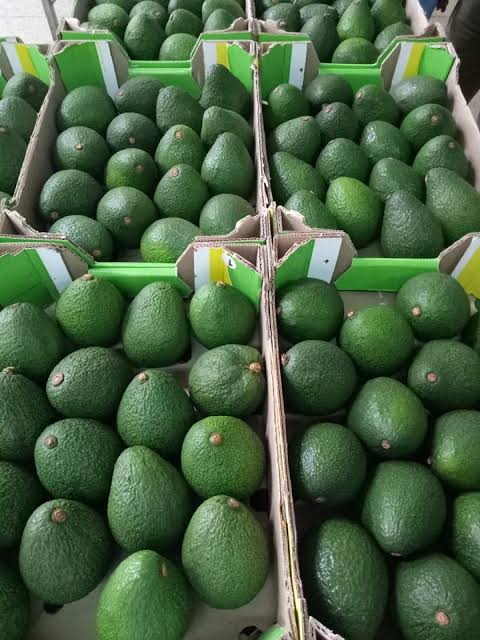
- Coffee, tea and avocados have been identified as key exports with potential in the Thai market.
- The two countries are also pursuing farmer exchanges, agricultural training and technology partnerships.
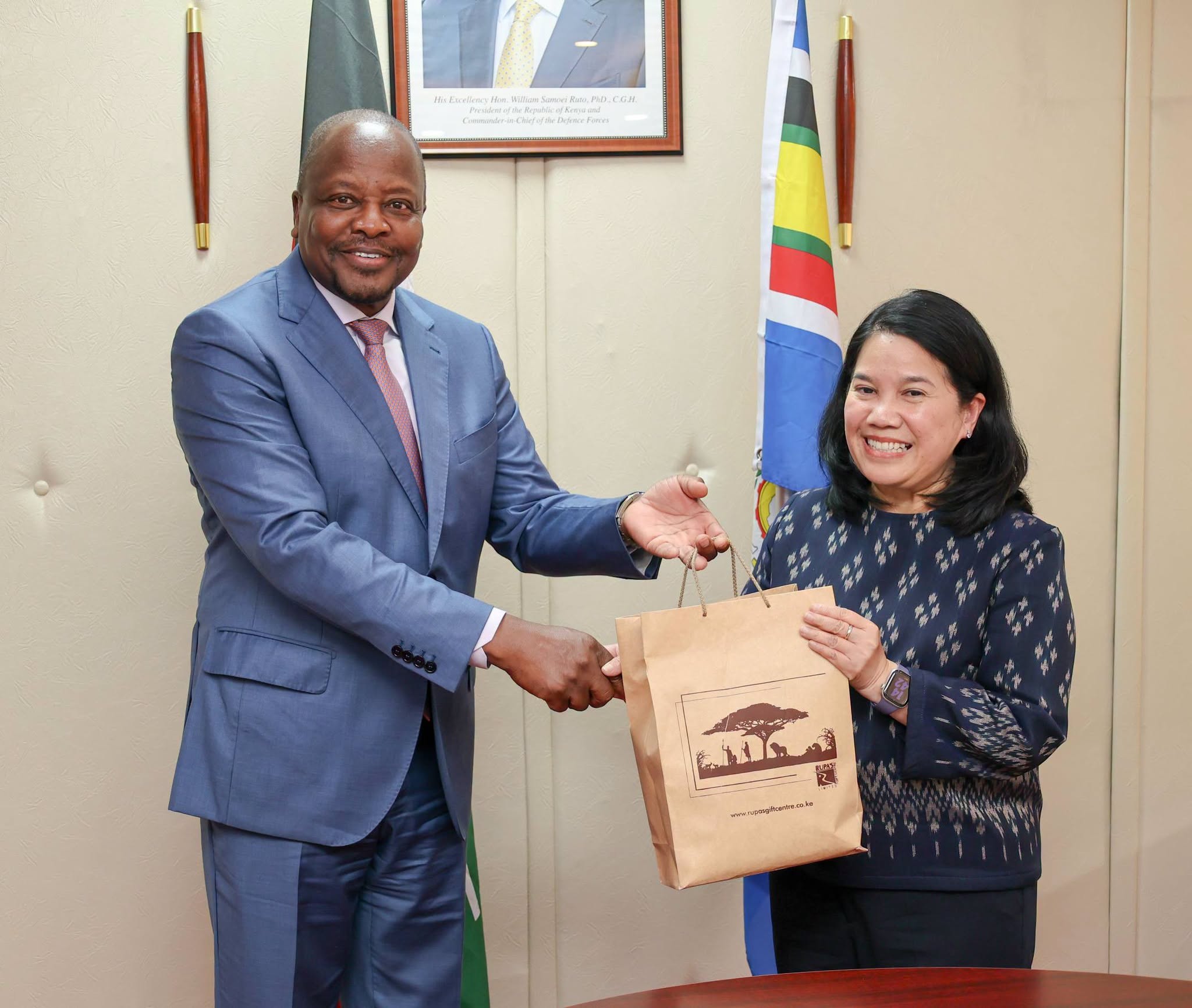
Kenya and Thailand want to grow their farm trade, draw Thai money into agro processing and send more farmers and students to learn from each other. The plans emerged when Agriculture Cabinet Secretary Mutahi Kagwe met Thailand’s Ambassador to Kenya, Jirusaya Birananda, ahead of 60 years of diplomatic ties in 2027.
Kagwe made it clear what Kenya expects from Thai companies. He wants them to set up factories in Kenya, rather than buy raw produce and process it elsewhere. If they intend to add value and stock Thai supermarkets with Kenyan goods, he said, that work should be done on Kenyan soil.
He believes local processing would create jobs, strengthen home industries and raise the price Kenya earns for its exports. It would also help the country serve the wider region. For that reason, he asked both governments to move beyond simple commodity trade and towards value addition, shared technology and stronger links between institutions.
Kagwe named coffee, tea and avocados as the exports with the most promise in Thailand. On avocados, work has already begun. The Kenya Plant Health Inspectorate Service (KEPHIS) is helping to clear the way for Kenyan fruit to enter the Thai market. Kenya also wants to sell more tea and to put other farm products before foreign shoppers.
Ambassador Birananda welcomed the approach. She said agriculture fits well within Thailand’s new Africa initiative, which treats Kenya as a gateway to the continent.
She then raised a hidden problem. Official figures may be hiding the true size of Kenya’s sales to Thailand, she said. Many goods travel through third countries, mostly Dubai, and end up recorded as coming from there. Kenyan coffee, tea and flowers are already sold in Thai shops, yet their real origin is often lost. Direct trade arrangements would make Kenyan products easier to see and tighten commercial ties.
READ:
Free NYOTA AGPO digital training targets 1.2 million Kenyans
Coffee drew special attention. Thailand does not grow enough to meet the needs of its expanding coffee industry, according to the ambassador. Kenyan beans of good quality could therefore win a firmer place if supply lines became more direct.
She also pointed to openings in agro processing, packaging, cold chain facilities, logistics and transport. Thai firms are looking more closely at African markets, she explained. An ageing population, rising labour costs and a changing workforce at home are all pushing them to look abroad. Even so, she warned that businesses will need time to build trust before committing large sums, so closer trade and people to people links must come first.
Training was the other major theme. Kagwe called for stronger partnerships between agricultural colleges in the two countries, along with more student exchanges and practical learning visits for farmers. The aim is to expose them to modern farming methods and production systems.
He said current arrangements are far too small. Instead of sending one or two people, he wants larger groups of farmers, students and young agribusiness entrepreneurs to take part, because that is when results begin to show on the ground. He also suggested short farmer visits, copying schemes Kenya has run with the United Kingdom, so growers can share practical answers to common tropical farming challenges.
There was firm progress on this front. Khon Kaen University and the Thailand International Cooperation Agency (TICA) have agreed in principle to approve a second phase of cooperation with the Kenya School of Agriculture (KSA). The programme will build the skills of KSA staff and students, improve water management and promote commercial farming.
A Thai delegation is expected in Kenya in late November or December 2026 to agree on the next steps. Both countries hope the 2027 anniversary will give fresh momentum to trade, farming innovation and investment that benefits them equally.
By our reporter
Get more stories from our website: Sacco Review.
For comments and clarifications, write to: Saccoreview@
Kindly follow us via our social media pages on Facebook: Sacco Review Newspaper for timely updates
Stay ahead of the pack! Grab the latest Sacco Review newspaper!