- Norway is helping Kenyan blue economy businesses access loans by sharing lending risks with Equity Bank.
- The financing initiative has supported fishermen, fish farmers and seafood processors.
- The wider partnership targets SME growth, disability innovation and job creation.
Equity Bank has issued 1,500 new loans to Kenyan blue economy businesses after Norway agreed to carry most of the lender’s potential losses. Fish farmers, fishermen and small-scale seafood processors were among the borrowers.
Mehraz Rafat, a senior adviser in the Department for Partnerships and Shared Prosperity at the Norwegian Agency for Development Cooperation (Norad), said the facility covers between 60 and 70 per cent of any losses. Equity Bank carries the rest. Banks have long steered clear of the blue economy because they view it as risky, he said, and the arrangement changes that calculation. Each loan created an average of two jobs last year.
The Equity Bank deal is one piece of a wider Norwegian programme that began in 2023. It aims to bring African and international business incubators and accelerators into Kenya while widening financing for young entrepreneurs. Norad has committed about 600 million Norwegian kroner, or roughly $65 million, in grants to participating organisations. Those organisations have since drawn in more private capital.
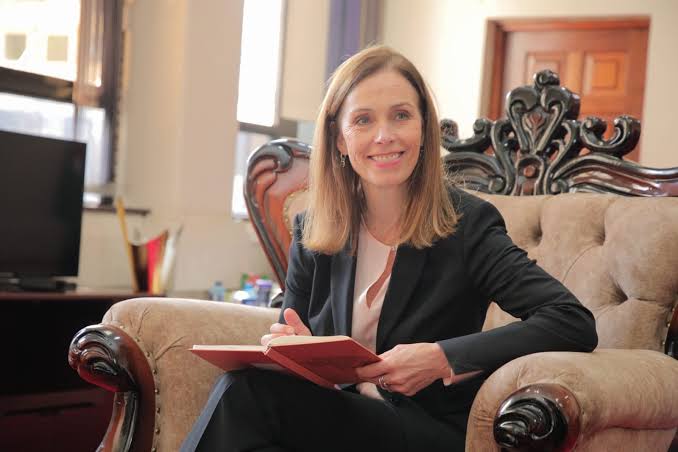
Norway’s Ambassador to Kenya, Siv Cathrine Moe, said job creation sits at the heart of the partnership. Small and medium-sized enterprises (SMEs), she noted, are a major part of Norwegian development policy for that reason.
READ:
Disability innovation is another focus. Kenya still relies heavily on imported products in this market. Bernard Chiira, founder and chief executive of Assistive Technologies for Disability (AT4D) Trust, said its Innovate Now accelerator has backed more than 50 early-stage businesses since teaming up with Norad in 2022. Their products address mobility, hearing and visual impairments, and some have begun selling in the United Kingdom and Europe. Local manufacturing, Chiira argued, would cut import dependence and open commercial opportunities, while helping persons with disabilities take part more fully in the economy.
Beyond Kenya, Norad estimates that its interventions have reached close to 5,000 SMEs through financing and business support. Even so, the need remains vast. The agency puts the annual financing gap for African businesses at between $330 billion and $480 billion.
Lucas Robinson of Renew Capital believes conventional lending will not bridge that gap on its own. Embedded finance, which builds credit into products and services, could reach underserved firms, he said. Startups, he added, could also steer more investment towards SMEs in the green and blue economies.
Norway’s model rests on using aid money to absorb early risks so that commercial investors follow. Over time, that should lessen reliance on donor funding. Still, the real test lies beyond the aid period. The money mobilised and the businesses supported must grow into lasting enterprises, with affordable credit and jobs that endure.
By Benedict Aoya
Get more stories from our website: Sacco Review.
For comments and clarifications, write to: Saccoreview@
Kindly follow us via our social media pages on Facebook: Sacco Review Newspaper for timely updates
Stay ahead of the pack! Grab the latest Sacco Review newspaper!