- Ruto backs factory reforms aimed at improving farmers’ earnings and ownership.
- Government pledges Ksh400 million to clear outstanding payments to milk farmers.
- Stakeholders raise concerns over farmer consultation and the future of New KCC.
Dairy farmers supplying New Kenya Cooperative Creameries (New KCC) in the North Rift are being promised Ksh63 for every litre of milk, up from Ksh55, after two of the processor’s plants were leased for 20 years to companies linked to farmers.
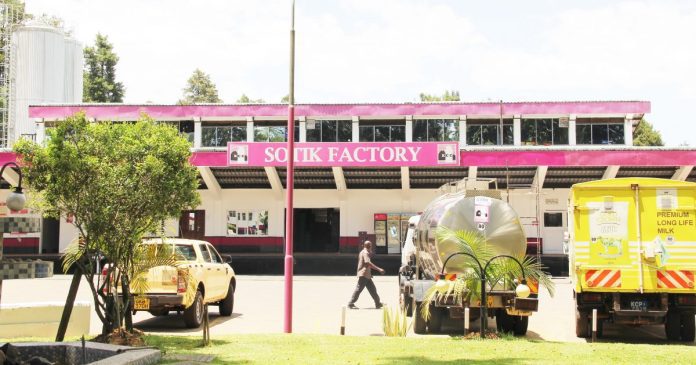
Eldoret KCC Dairy Processors Limited now holds the Eldoret factory, while Sotik Dairy Processors Limited has taken over the Sotik plant. Both will run independently, with farmers having a bigger say in how they are managed.
Eldoret KCC Dairy Processors Limited finance director Philip Bitok said his company began operating the Eldoret plant two months ago. It intends to make the factory a profitable regional business.
Bitok stressed that the lease leaves the new company free of New KCC’s existing debts. Instead, it will raise its own capital from the revenue earned on milk that farmers deliver. That income will also cover utility bills, salaries and farmer payments.
Farmer-run dairy cooperative societies and large-scale farmers who supply the plant make up the company. It draws milk from Uasin Gishu, Nandi, Elgeyo Marakwet and Baringo counties.
Behind the deal is the government’s effort to turn the struggling State processor into a commercially viable business. Officials want to copy the Kenya Tea Development Agency (KTDA) system, where each factory operates on its own under directors picked from cooperative societies in its area.
READ:
President William Ruto backed the idea during a recent tour of the North Rift. Speaking in Kapsabet, Nandi County, he said factories should not be run from Nairobi and that farmers ought to “own their factories, get better payments and earn dividends.”
He also pledged to clear Ksh400 million owed to farmers. According to him, the reforms would lift prices to Ksh65 per litre.
New KCC Managing Director Joseph Choge told staff that the transition was meant to keep both plants running, and he praised their service over the years. Details of their employment terms, he said, would follow as the process unfolds.
Already, the government has put more than Ksh2 billion into New KCC to clear milk debts and support recovery. Even so, some stakeholders fear that splitting up the factories could weaken the national supply chain, cost the company market share and leave farmers at the mercy of private processors.
Kenya Farmers Association director Kipkorir Menjo asked whether farmers, who own New KCC, were properly consulted. He argued that they should have been involved at every stage to protect their share of the market.
For their part, the new investors say value addition, wider markets and partnerships will help them beat competition. Bitok said they are eyeing dry parts of the country, Nairobi and neighbouring states, and will widen the range of products on offer.
He admitted, however, that high transport costs and unpaid bills could derail the turnaround. The company is also talking to other investors to grow its market and revenue and ultimately pay farmers dividends.
By Benedict Aoya
Get more stories from our website: Sacco Review.
For comments and clarifications, write to: Saccoreview@
Kindly follow us via our social media pages on Facebook: Sacco Review Newspaper for timely updates
Stay ahead of the pack! Grab the latest Sacco Review newspaper!