
- The Government is considering new financial safeguards to protect millions of SACCO members.
- Proposed changes could reshape how societies manage liquidity, deposits and regulatory oversight.
- SACCO leaders have been warned against governance failures and decisions that put members’ savings at risk.
The Government is preparing a major overhaul of Kenya’s Savings and Credit Co-operative Societies (SACCOs) sector, with plans to introduce tougher regulation, a central liquidity facility and a proposed deposit guarantee fund in a bid to protect members’ savings and strengthen financial stability.
Co-operatives and Micro, Small and Medium Enterprises (MSMEs) Development Cabinet Secretary Wycliffe Oparanya said the planned changes would address governance failures, curb financial malpractice and ensure SACCOs operate with greater transparency and accountability.
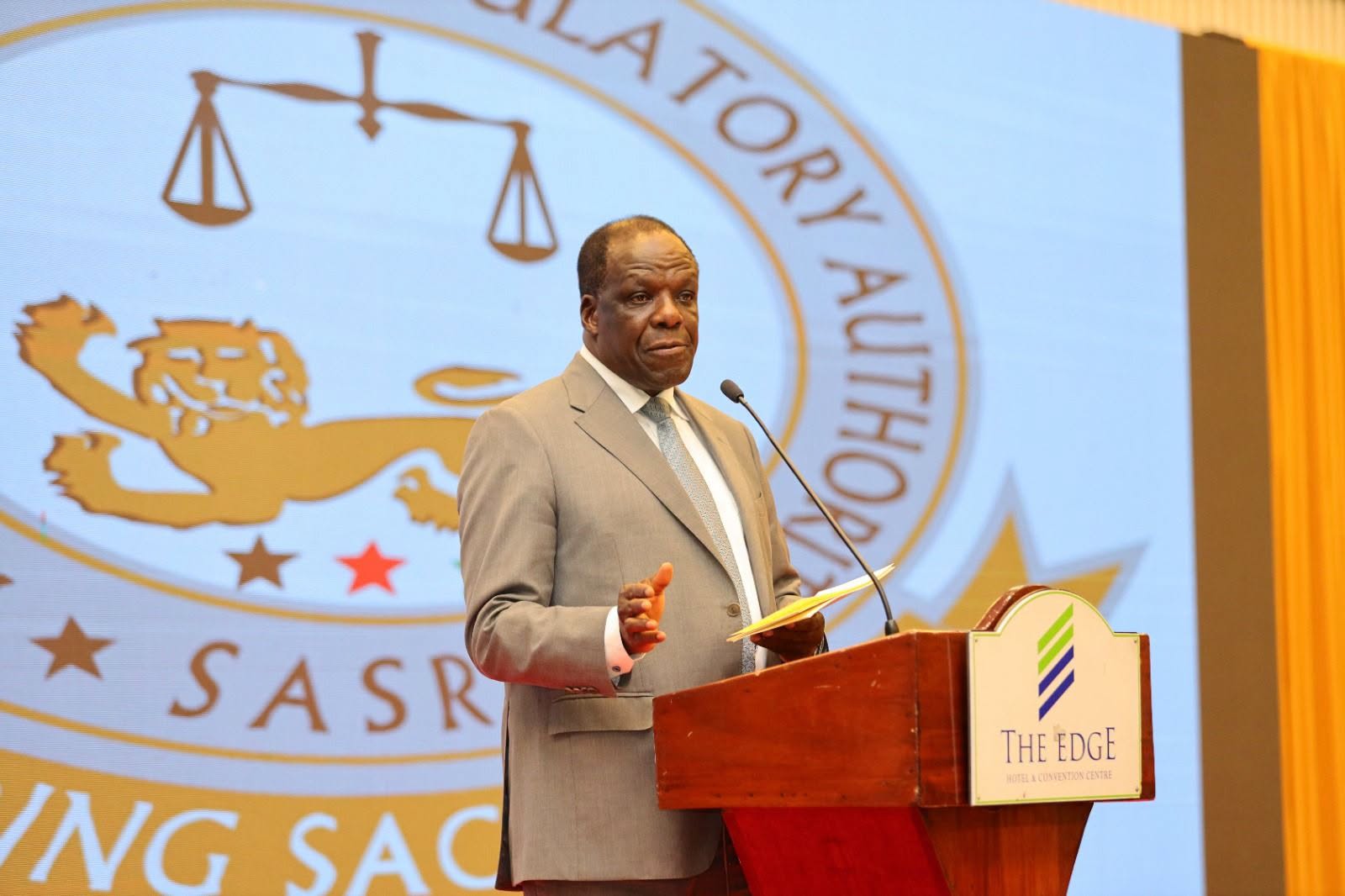
Speaking during the Cooperative Movement Leaders’ Conference in Naivasha, Oparanya issued a stern warning to SACCO officials against exploiting their leadership positions for personal gain, insisting that members’ contributions must be treated with the highest level of responsibility. He cautioned that fraud, embezzlement and reckless financial decisions could expose millions of ordinary Kenyans to losses, particularly when institutions collapse under poor management.
“Leadership is a position of trust, not an opportunity for personal enrichment,” he said.
The proposed changes come at a time when Kenya’s SACCO movement is experiencing significant growth, with membership approaching eight million and total assets standing at approximately Ksh1.21 trillion. Members’ deposits have reached Ksh832 billion, while gross loans have climbed to Ksh949 billion, underscoring the growing importance of SACCOs in the country’s financial system.
In a speech delivered on his behalf by Cooperatives Principal Secretary Patrick Kilemi, Oparanya identified the establishment of a SACCO Central Liquidity Facility as one of the key interventions under consideration. The proposed arrangement would allow SACCOs facing temporary cash shortages to access support from other institutions, reducing liquidity pressures while improving financial cooperation across the sector.
READ:
The Government is also weighing the introduction of a SACCO Deposit Guarantee Fund, which would provide an additional safety net for eligible members in the event of financial distress. Although the proposal is expected to strengthen public confidence in SACCOs, critical details surrounding its financing, coverage and management are yet to be determined.
The reforms will also focus on strengthening the supervisory capacity of the Sacco Societies Regulatory Authority (SASRA), with recommendations from a committee of experts appointed by the ministry expected to guide the proposed changes. At the legislative level, the Government is pushing the Co-operatives Bill, 2024, which seeks to update existing laws, streamline the division of responsibilities between national and county governments and enhance accountability within the co-operative movement.
Beyond regulatory shortcomings, Oparanya raised concerns over SACCOs that place excessive emphasis on attractive dividends and interest payments at the expense of long-term financial health. He warned that institutions could undermine their own stability by prioritising annual returns while neglecting capital reserves, liquidity requirements and prudent investment practices.
He urged boards to strike a balance between rewarding members and retaining sufficient resources to support future growth and withstand financial shocks.
“The success of a SACCO should be measured by its ability to provide affordable credit, protect savings and serve members sustainably. High dividends today should never come at the expense of institutional stability tomorrow,” he said.
The Cabinet Secretary further called on SACCO leadership to tighten internal controls, maintain reliable financial records and ensure transparency in procurement, investments and institutional decision making. He emphasised that boards should concentrate on policy direction and oversight, leaving routine administrative responsibilities to professional managers. Independent audit and supervisory committees, he added, must also be allowed to discharge their duties without interference.
The Government is equally seeking to raise leadership standards through stricter fit-and-proper requirements and continuous training for SACCO officials, noting that institutions entrusted with billions of shillings require capable and ethical management.
Oparanya also challenged SACCOs to rethink traditional lending approaches and develop financial products that respond to the changing needs of different economic groups. He singled out farmers, small-scale traders, women and young entrepreneurs as groups that continue to face financing challenges despite the country’s progress in expanding financial inclusion.
IN CASE YOU MISSED IT:
Govt urges cooperative societies to embrace reforms to drive growth
He noted that agricultural financing should reflect seasonal production cycles, while small businesses require flexible credit facilities to sustain daily operations and expand their enterprises. To bridge the financing gap, he encouraged SACCOs to establish partnerships with the Micro and Small Enterprises Authority and the Hustler Fund, while strengthening collaboration with agricultural co-operatives and MSMEs. Such partnerships, he said, could unlock financing for production, value addition, marketing and environmentally sustainable investments.
Digital transformation also featured prominently in the Government’s reform agenda, with SACCOs urged to embrace secure technology platforms to improve efficiency, lower operational costs and make services more accessible. However, Oparanya warned that increased reliance on digital platforms must go hand in hand with stronger cybersecurity systems, data protection measures and reliable business continuity plans.
He also encouraged smaller SACCOs to consider sharing technological infrastructure to reduce costs and improve their competitiveness without compromising their independence.
The Cabinet Secretary said the Government would continue consulting regulators, county administrations and co-operative leaders to ensure the reforms strengthen the sector without undermining its autonomy. He maintained that the future of the SACCO movement would largely depend on its ability to uphold financial discipline, protect members’ contributions and restore public confidence through responsible leadership.
By Lizzy Aluga
Get more stories from our website: Sacco Review.
For comments and clarifications, write to: Saccoreview@
Kindly follow us via our social media pages on Facebook: Sacco Review Newspaper for timely updates
Stay ahead of the pack! Grab the latest Sacco Review newspaper!