- Family Bank records strong earnings growth in the nine months to September.
- Increased lending and interest income boost the lender’s profitability.
- Rising bad loans present a challenge amid expanding credit.
Family Bank’s profit after tax rose 69 per cent to Ksh6.07 billion in the nine months ended September 2026, up from Ksh3.60 billion recorded in the same period last year, driven by higher interest income and increased lending.
The lender’s unaudited results show that profit before tax grew 62 per cent to Ksh7.26 billion from Ksh4.50 billion, while total operating income increased 26 per cent to Ksh18.64 billion.
Net interest income rose 37 per cent to Ksh15.02 billion, supported by higher earnings from loans and advances, which generated Ksh13.14 billion, and from government securities, which contributed Ksh8.48 billion.
However, non-interest income declined slightly to Ksh3.62 billion from Ksh3.79 billion.
Operating expenses increased by 11 per cent to Ksh11.39 billion, while loan loss provisions rose 27 per cent to Ksh1.73 billion as asset quality came under pressure.
READ:
Gross non-performing loans increased to Ksh18.93 billion from Ksh15.60 billion, while net non-performing loans rose to Ksh5.93 billion from Ksh3.32 billion.
The bank’s total assets expanded by 22 per cent to Ksh247.54 billion, while customer deposits grew 24 per cent to Ksh182.35 billion. Loans and advances increased 14 per cent to Ksh118.20 billion.
Family Bank said it disbursed more than Ksh91 billion to the private sector during the period, with over 70 per cent directed towards micro, small and medium enterprises (MSMEs) and consumer banking.
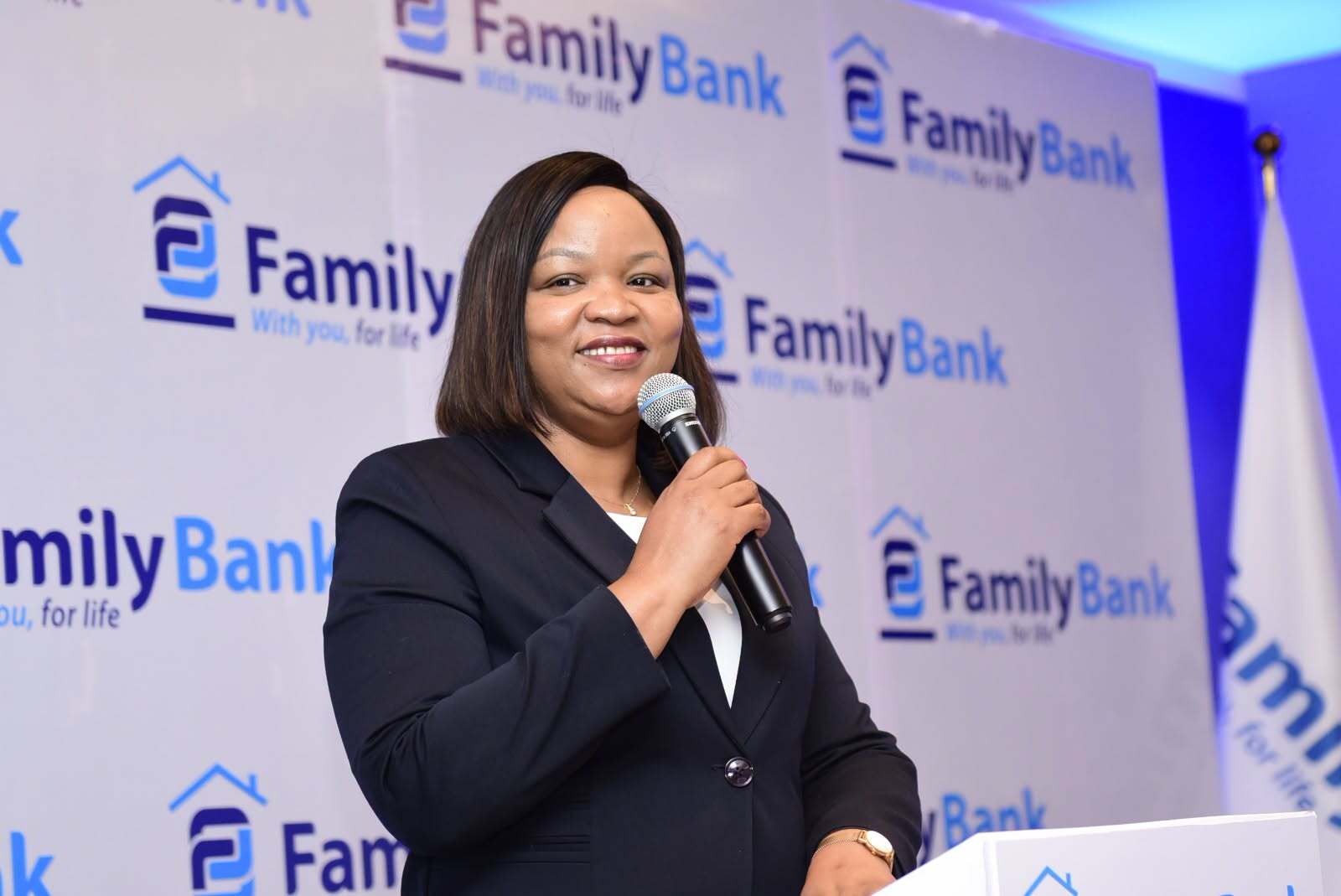
Chief Executive Officer Nancy Njau said the results reflected the bank’s growth strategy and customer confidence following its listing on the Nairobi Securities Exchange.
She said the lender would continue investing in technology, staff and its distribution network to strengthen services across retail, MSME and commercial banking.
The bank maintained a liquidity ratio of 61.6 per cent against the statutory minimum of 20 per cent, while its total capital adequacy ratio stood at 18 per cent, above the regulatory minimum of 14.5 per cent.
By Obegi Malack
Get more stories from our website: Sacco Review.
For comments and clarifications, write to: Saccoreview@
Kindly follow us via our social media pages on Facebook: Sacco Review Newspaper for timely updates
Stay ahead of the pack! Grab the latest Sacco Review newspaper!