
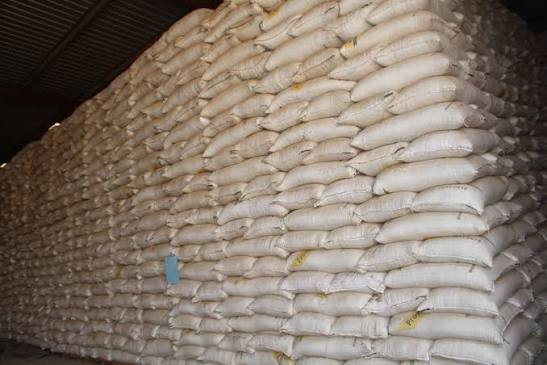
- Kenya faces a major maize shortfall after prolonged dry conditions damaged crops across key growing regions.
- Import needs are expected to surge as the country struggles to bridge the widening food supply gap.
- Rising food prices and uncertain weather patterns threaten to add pressure on household budgets.
Kenyans could soon pay more for their staple meal. A severe dry spell has gutted this year’s maize crop, and the country will need record volumes of foreign grain to fill the hole.
Forecasters at the United States Department of Agriculture (USDA) expect Kenya to harvest only 2.2 million tonnes of maize in the year to June 2027. That is about 39 per cent less than the 3.4 million tonnes gathered in the previous year. To cope, the agency projects imports of 2.3 million tonnes during the 2026/27 marketing year, the highest on record.
However, it is unclear where that grain will originate. According to the USDA, the Kenyan government has not disclosed its sources. Neighbouring producers, the agency adds, may lack enough stock to cover a gap this large.
Drought is the culprit. Between June and August, an intense El Niño episode starved farms of moisture, leaving crops withered across the northern Rift Valley and western counties. In its October 15, 2026 report, the USDA noted that rainfall in much of the grain belt during June and July was among the poorest in over four decades.
READ ALSO:
Production in the main growing counties took the heaviest blow. Trans Nzoia, which contributes 14 per cent of national output, suffered badly. Uasin Gishu, at 10 per cent, Bungoma at seven per cent and Nakuru at six per cent also recorded steep shortfalls. Overall, harvests fell further below the five year average than at any point in the last 50 years.
The timing is awkward for shoppers. Inflation climbed to 6.8 per cent in September, up from 6.6 per cent a month earlier, and many families are already stretched. Meanwhile, the Central Bank of Kenya (CBK) polled 466 farmers, wholesalers and retailers. Respondents warned that milk, maize flour, wheat flour and cooking oil face new upward pressure because of the prolonged dry conditions.
Looking ahead, the weather offers little comfort. The USDA expects irregular patterns to continue into 2027. El Niño rains might refill depleted water reservoirs. Yet if downpours follow the drought too abruptly, flash floods could destroy more crops, especially in eastern and central Kenya.
Kenya has leaned on imports before. Figures from the Kenya National Bureau of Statistics (KNBS) show that maize purchases abroad rose 51.4 per cent to 468,109 tonnes in 2025, helped by a duty free window for yellow maize.
By Benedict Aoya
Get more stories from our website: Sacco Review.
For comments and clarifications, write to: Saccoreview@
Kindly follow us via our social media pages on Facebook: Sacco Review Newspaper for timely updates
Stay ahead of the pack! Grab the latest Sacco Review newspaper!