- Government launches a multi stakeholder plan to revive Kwale International Sugar Company and restore jobs.
- Farmers to receive Ksh 66 million in pending payments as part of efforts to restart sugarcane production.
- Revival targets higher local sugar production, reduced imports and renewed economic activity across the Coast region.
The national government has launched an ambitious plan to revive the troubled Kwale International Sugar Company Limited (KISCOL). The move is expected to restore thousands of jobs, revive sugarcane farming and inject billions of shillings into the Coast region’s economy.
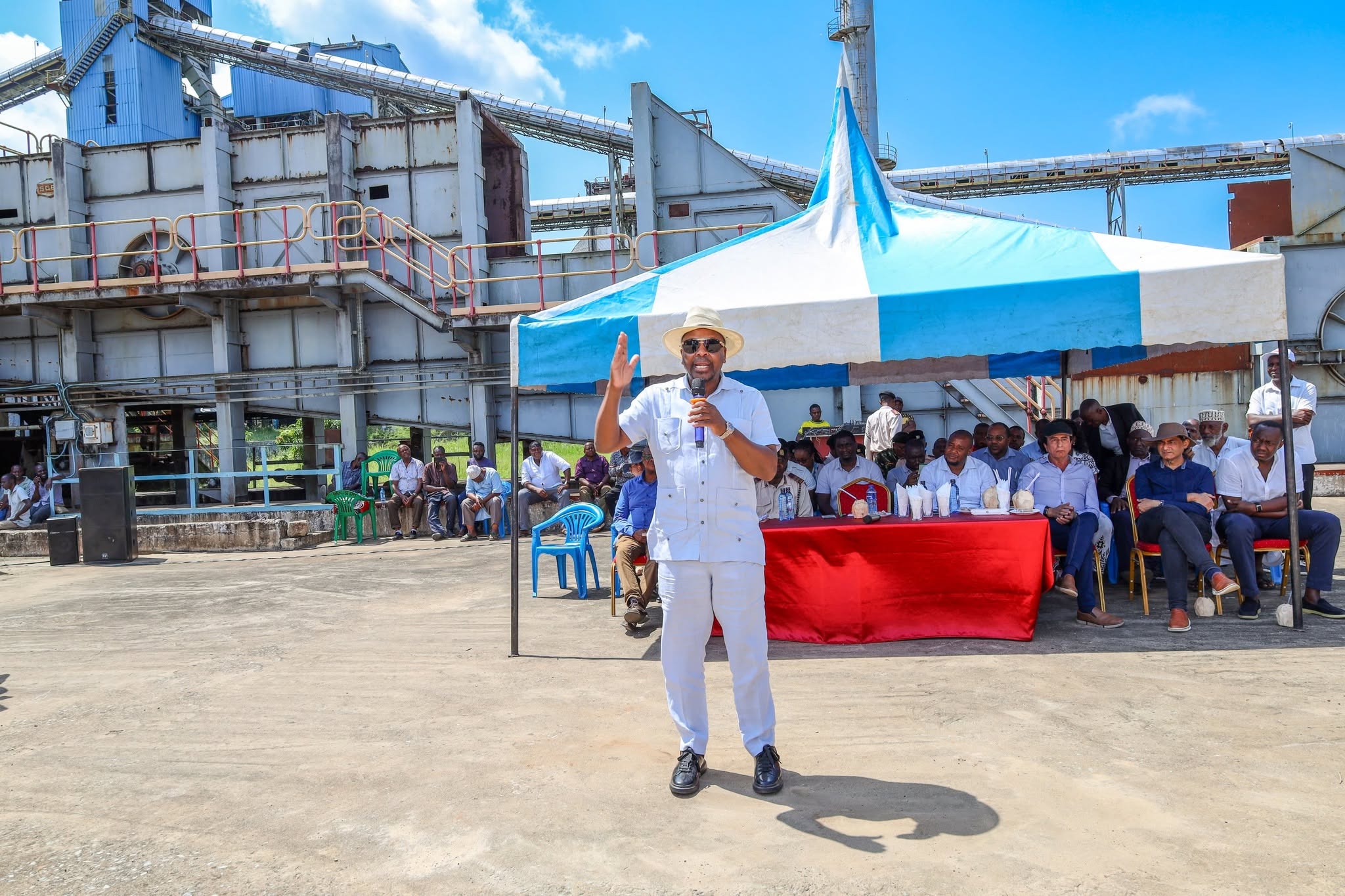
Cabinet Secretary for Agriculture and Livestock Development (CS) Mutahi Kagwe announced the formation of a high-level, multi-stakeholder committee to spearhead efforts to reopen the factory. The mill has faced years of operational challenges that have left farmers without a reliable market for their cane.
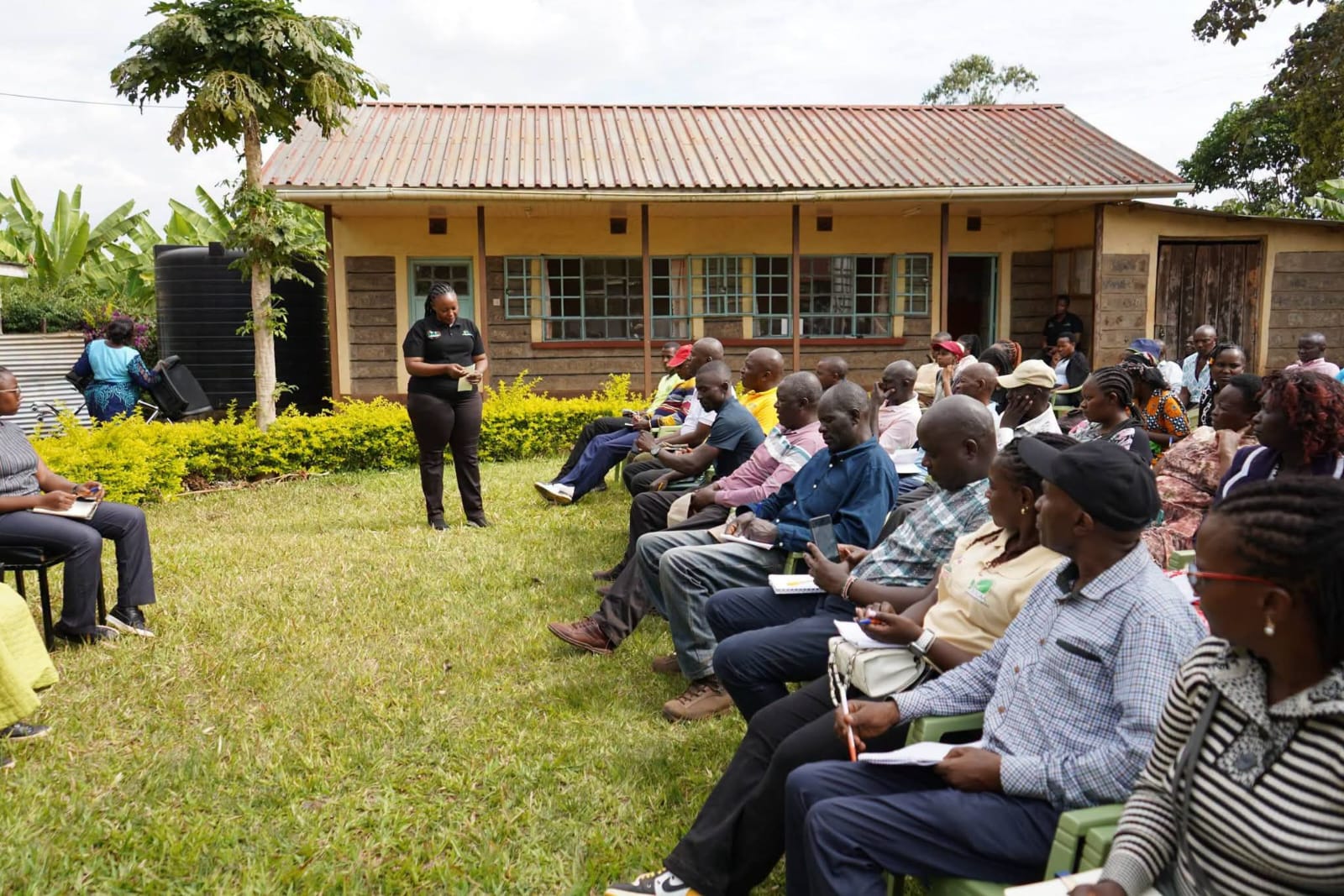
The committee will be led by the Kenya Sugar Board. It brings together the national and county governments, investors, farmers, security agencies and local leaders to address the legal, operational and social challenges keeping the mill closed.
Speaking during an inspection tour of the factory, irrigation dams, plantations and outgrower areas, Kagwe said the government’s focus was on restoring the livelihoods of thousands of families dependent on the sugar value chain.
READ:
KISCOL is considered one of the country’s major private sugar investments. It has modern milling infrastructure, an irrigated nucleus estate and an extensive network of outgrower farmers.
Once fully operational, the integrated sugar complex could mill thousands of tonnes of sugarcane daily. It would support tens of thousands of direct and indirect livelihoods across farming, transport, mechanical services, irrigation, agricultural inputs, retail and manufacturing.
The factory also has the potential to generate additional revenue through value-added products, including molasses and ethanol. It could also produce electricity through bagasse cogeneration.
As part of the immediate revival measures, the government plans to clear Ksh 66 million in outstanding payments owed to sugarcane farmers.
The move is intended to restore confidence among growers and encourage them to resume cane production. This is critical to ensuring adequate supplies when the factory resumes milling.
Kagwe also called on residents to protect sugarcane farms and irrigation infrastructure. He warned that cane fires and vandalism of pipelines were undermining efforts to revive the industry.
The CS identified several challenges facing KISCOL, including land disputes, cane shortages, vandalism, delayed farmer payments and insecurity.
Another major obstacle is the occupation of factory land by squatters. Kagwe urged the Kwale County Government to accelerate the resettlement of approximately 15,000 squatters occupying nearly 7,000 acres of factory land.
He said resolving the land issue would be critical to restoring the factory to full-scale operations.
The revival of KISCOL is also expected to increase domestic sugar production. This would help reduce Kenya’s dependence on imported sugar by creating a stable market for local cane farmers.
Kagwe said the revival committee would develop a framework clearly defining the responsibilities of each stakeholder, while ensuring farmers remain central to the recovery plan.
READ ALSO:
He said government support would be guided by transparency, accountability and a technically sound strategy covering irrigation, cane development, factory operations, financing and long-term sustainability.
“We have seen what cooperation can achieve in other sugar-growing regions. When government, investors and communities work together, factories reopen, production increases and farmers begin earning again. Kwale can achieve the same success,” he said.
The coordinated approach will pave the way for the reopening of KISCOL. It is expected to restore the sugar industry’s role as a major source of employment and economic activity along Kenya’s Coast.
By Obegi Malack
Get more stories from our website: Sacco Review.
For comments and clarifications, write to: Saccoreview@
Kindly follow us via our social media pages on Facebook: Sacco Review Newspaper for timely updates
Stay ahead of the pack! Grab the latest Sacco Review newspaper!