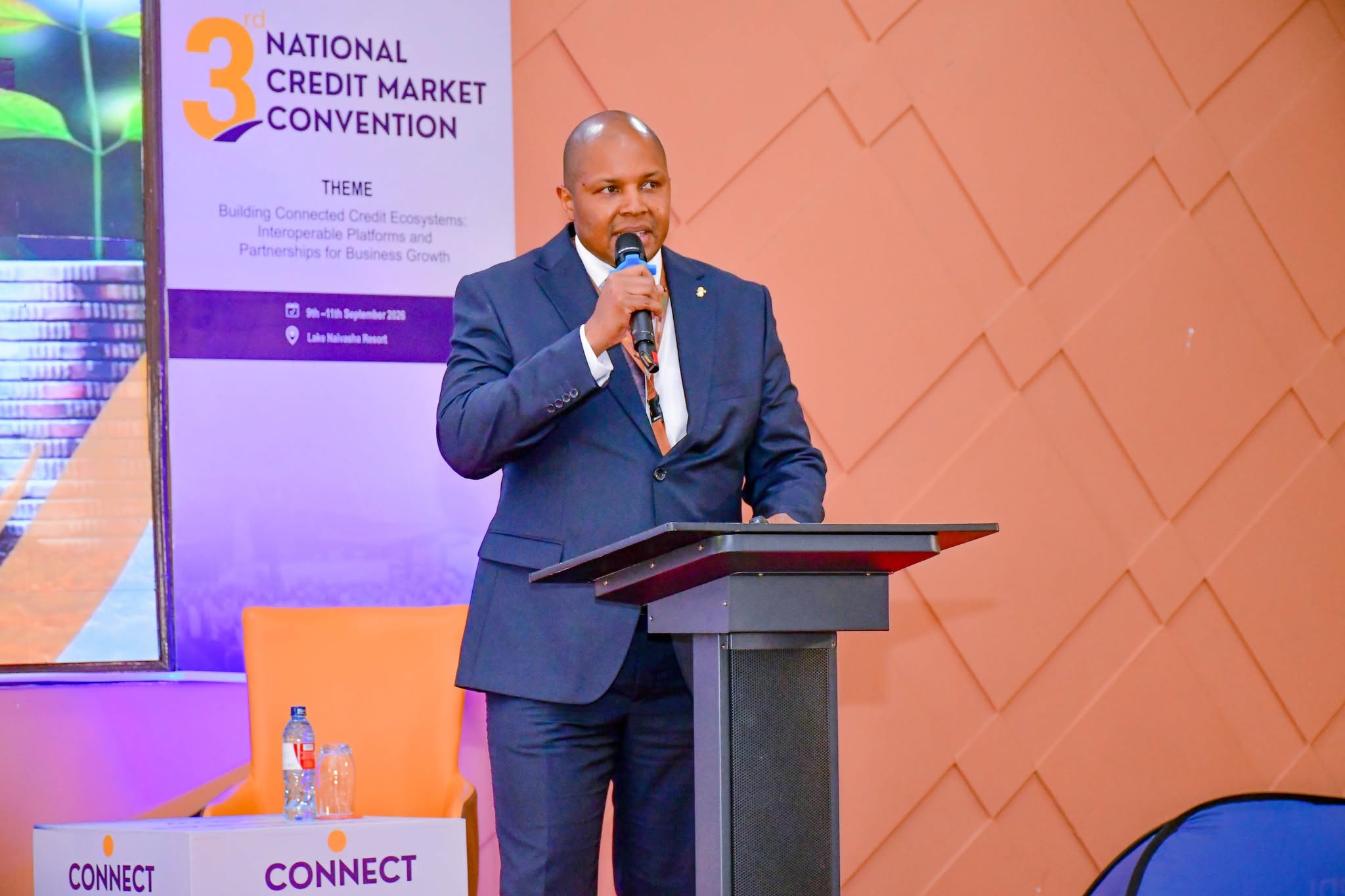

- HELB and Stima Sacco explore wider support for student borrowers
- Talks target diaspora services, financial literacy and HELB Sacco growth
- Proposed system links could make student financing more seamless
Kenya’s student financing landscape could be heading for a significant transformation following fresh talks between the Higher Education Loans Board (HELB) and Stima Sacco aimed at expanding financial support, strengthening customer services and equipping students with practical financial knowledge.
The emerging partnership signals a broader approach to student financing, one that goes beyond providing loans to students and increasingly focuses on what happens before, during and after a beneficiary receives financial assistance.
HELB CEO Geoffrey Monari held a consultative meeting with Stima Sacco CEO Dr Gamaliel Hassan, with the two institutions exploring areas where closer collaboration could deliver greater value to students, borrowers and customers.
At the heart of the discussions was the possibility of developing practical partnerships that respond to the changing financial needs of HELB beneficiaries, including those living and working outside Kenya.
Supporting HELB clients beyond Kenya
One of the areas identified for potential collaboration is support for HELB clients in the diaspora. As more Kenyan graduates pursue employment and professional opportunities abroad, the financial relationship between former students and HELB increasingly extends beyond Kenya’s borders.
READ:
The proposed collaboration could therefore provide an opportunity to explore more convenient ways of supporting diaspora based beneficiaries, particularly in accessing financial services and meeting their obligations to the student financing system.
For HELB, improving engagement with borrowers in the diaspora could also contribute to stronger loan management and repayment systems while ensuring that beneficiaries remain connected to the institution even after leaving the country.
Financial literacy to become part of the student journey
Another potentially transformative area is financial literacy. Many young people enter university or college for the first time with limited experience in managing personal finances.
They may receive loans, scholarships or other forms of financial support without necessarily having adequate knowledge of budgeting, saving, responsible borrowing and long term financial planning.
The proposed financial literacy initiatives could help bridge this gap. Instead of viewing student financing purely as money disbursed to a learner, the emerging approach recognises that young people also need the skills to manage that money responsibly.
Financial education delivered while students are still in college could help them develop habits that remain useful long after graduation. It could also encourage responsible borrowing and repayment by helping beneficiaries understand the implications of their financial decisions.
Strengthening the HELB Sacco
The discussions also explored opportunities to support and strengthen the HELB Sacco. A stronger Sacco could potentially provide an additional platform through which members and stakeholders access savings, investment and other financial services.
READ ALSO:
For an institution whose core mandate revolves around financing education, strengthening a savings and financial empowerment culture among its stakeholders could complement the loan financing function.
The ultimate test, however, will be whether such initiatives translate into accessible and affordable services that genuinely improve the financial wellbeing of beneficiaries.
Another significant area of discussion is the potential enhancement of interoperability between lending systems. In an increasingly digital financial environment, customers expect services to be faster, simpler and more seamlessly connected.
Interoperable systems could reduce inefficiencies, improve information flows and make it easier for institutions to serve customers without unnecessary duplication of processes.
For HELB beneficiaries, the benefits could eventually include a smoother customer experience, particularly where different financial services intersect.
By Hillary Muhalya
Get more stories from our website: Sacco Review.
For comments and clarifications, write to: Saccoreview@
Kindly follow us via our social media pages on Facebook: Sacco Review Newspaper for timely updates
Stay ahead of the pack! Grab the latest Sacco Review newspaper!