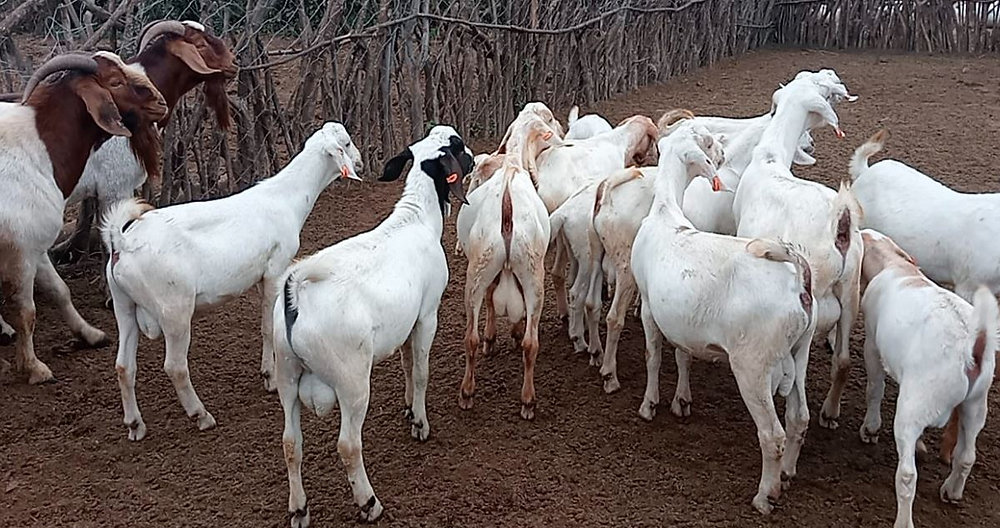
- Kenya is rolling out a digital system to give cows, goats and sheep unique identities.
- The system will help tackle livestock theft, track diseases and verify animal ownership.
- Digital traceability could also help Kenyan livestock producers access lucrative export markets.
Cows, goats and sheep could soon have their own digital identity as the government steps up efforts to transform how Kenya identifies, tracks and trades its livestock.
Agriculture and Livestock Development Cabinet Secretary Mutahi Kagwe is championing the nationwide rollout of the Animal Identification and Traceability System (ANITRAC). The system assigns unique identities to animals and creates a digital record that follows them throughout their lifetime.
ANITRAC is designed to capture key information about each animal, including its origin, ownership, health status, vaccination history and movements. As a result, authorised users can establish where an animal came from and verify its ownership and history.
To achieve this, officials physically identify animals using visual ear tags and microchips. They then link these details to a central digital platform, which authorised authorities, veterinarians, abattoirs, traders and other players in the livestock value chain can access.
“Going forward, every Kenyan animal should have an identity and a traceable history. This will help us improve livestock management, strengthen disease surveillance, enhance food safety and open up better markets for our livestock producers,” Kagwe said.
A response to rising livestock theft
The push comes amid recent cases of livestock theft and cattle rustling across the country. Consequently, farmers and pastoralists have lost large numbers of animals, facing devastating economic consequences. In some cases, efforts to recover stolen herds have also exposed security officers and communities to violent confrontations.
READ ALSO:
How a Homa Bay mother traded alcohol abuse for a tailoring dream
For families whose livelihoods depend on livestock, losing an entire herd can wipe out years of accumulated income. Therefore, livestock theft is not just an agricultural problem; it is also an economic and security concern.
By design, ANITRAC aims to make it harder for stolen animals to enter formal markets. If an animal’s identification, ownership or movement records fail to match, authorities can flag it for verification before sale or processing.
Wider benefits: disease control and export markets
Beyond curbing theft, the digital trail could help authorities quickly trace animals during disease outbreaks. Specifically, they could establish where an infected animal came from and identify which other animals it may have contacted.
The government is also linking the system to Kenya’s ambitions of entering more lucrative international markets. Increasingly, buyers in these markets require proof of an animal’s origin, health status and movement history before accepting livestock and meat products.
Kagwe has urged farmers and pastoralists to combine traceability with investments in improved genetics, artificial insemination, animal nutrition, commercial feedlots, livestock insurance and climate-smart production. Through these efforts, he says, Kenya can capture more value from its livestock industry.
By Benedict Aoya
Get more stories from our website: Sacco Review.
For comments and clarifications, write to: Saccoreview@
Kindly follow us via our social media pages on Facebook: Sacco Review Newspaper for timely updates
Stay ahead of the pack! Grab the latest Sacco Review newspaper!