- MPs are pressing for stronger backing for a new women’s policy
- Legislators are raising concerns over gaps in funding and implementation
- Calls are growing for more support for women at the grassroots level
MPs want adequate funding, stronger coordination and oversight to help the women’s economic empowerment policy deliver results for Kenyan women.
Speaking in Mombasa on Monday, legislators said good policies would have little impact unless backed by sufficient resources and proper implementation mechanisms. They made the remarks during a sensitisation workshop organised by the Kenya Women Parliamentary Association (KEWOPA) and the Institute of Public Finance (IPF) on the National Policy on Women’s Economic Empowerment (NPWEE) and Sessional Paper No. 6 of 2026.
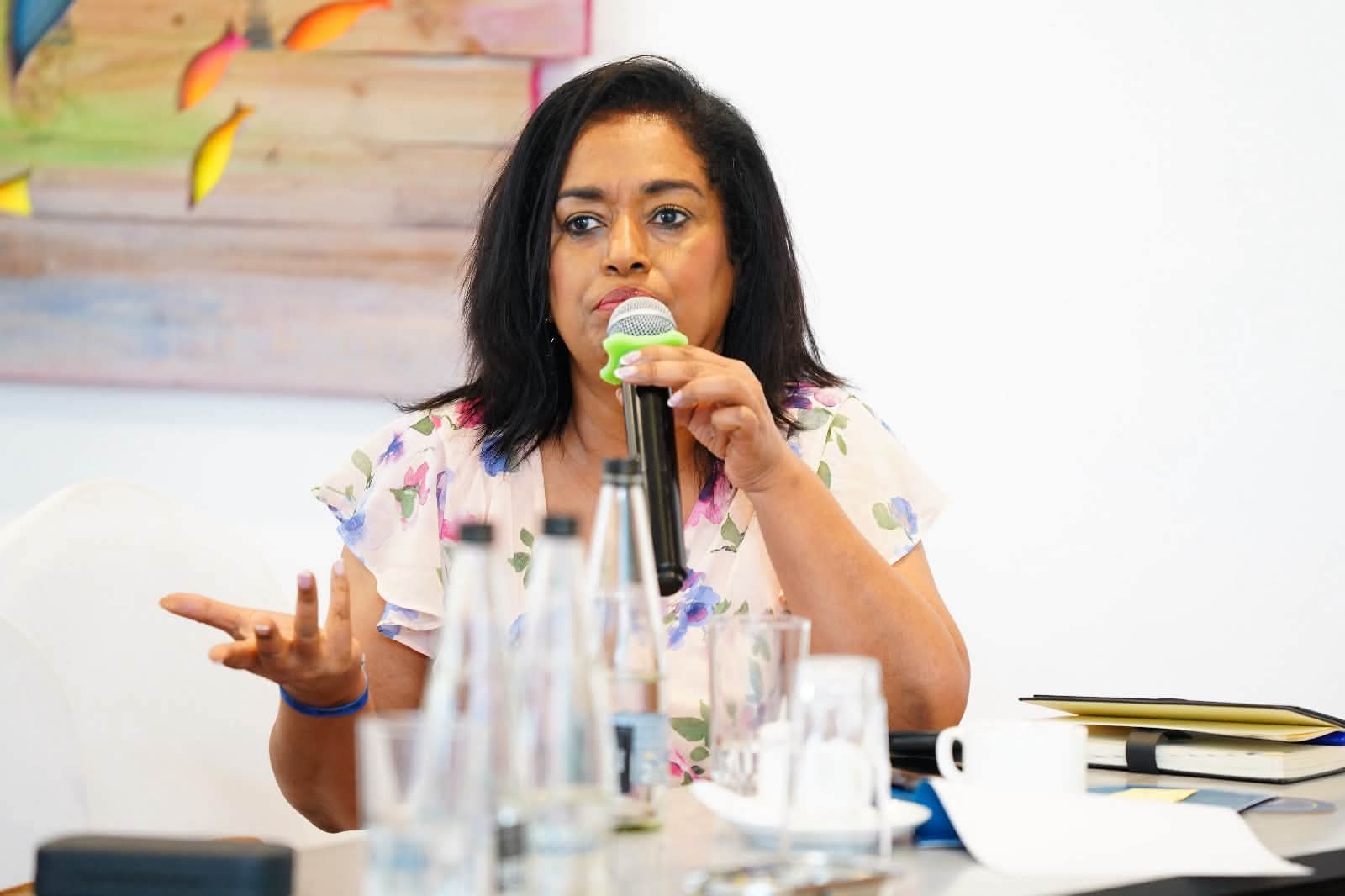
Speaking on behalf of KEWOPA chairperson, Esther Passaris told the forum that Parliament and other stakeholders must go beyond policy formulation and focus on how the framework will be financed, implemented, monitored and evaluated.
“Most importantly, let us ensure that the National Policy on Women’s Economic Empowerment does not remain only a framework on paper, but becomes a basis for coordinated action that expands women’s economic opportunities,” Passaris said.
Vice-chairperson of the Departmental Committee on Social Protection Hillary Kosgei warned that inadequate financing could undermine the policy, citing lessons from Sessional Paper No. 2 of 2019 on the National Policy on Gender and Development.
According to Kosgei, that earlier policy received parliamentary approval but failed to achieve its intended impact after only Ksh 15 million was allocated against an estimated requirement of Ksh 500 million.
READ:
He explained that Sessional Paper No. 6 of 2026 seeks to address systemic barriers facing women by providing a framework involving State and non-State actors, as well as national and county governments. The policy covers areas including employment and labour, agriculture and food security, governance and decision-making, and humanitarian response.
A community agenda, not an isolated programme
Kilifi North MP Owen Baya said women’s economic empowerment should be treated as a community agenda rather than an isolated programme, noting that empowering women has a direct impact on families and communities.
Meanwhile, Institute of Public Finance chief executive Dan Ndirangu said the workshop aimed to equip MPs with credible information and analysis, enabling them to scrutinise the policy and its financing. He added that Parliament has a crucial role in allocating resources, shaping legislation and holding the Government accountable, particularly at a time when fiscal pressures are affecting social sectors such as health, education and social protection.
Grassroots funding gaps persist
MPs also raised concerns over inadequate resources for grassroots women’s empowerment programmes, calling for increased investment in sustainable enterprises, financial literacy, education, seed capital and second-chance opportunities for girls.
Bungoma County MP Catherine Wambilianga said funds available for women at the grassroots were often too small to generate meaningful economic impact. Similarly, Kwale County MP Fatuma Masito called for greater support for women engaged in informal businesses and table-banking initiatives.
KEWOPA consultant Chris Afifu challenged Parliament to scrutinise women’s economic empowerment financing by establishing what was appropriated, released and spent, who benefited, under what terms and what changes were achieved.
A policy needs a budget
State Department for Gender Affairs Secretary Dr Justine Ogondo urged Parliament to ensure the policy is reflected in the national budget.
“A policy without resources is a promise without a plan,” Dr Ogondo said, urging the Budget and Appropriations Committee and the Departmental Committee on Social Protection to prioritise women’s economic empowerment in budget allocations.
The workshop also highlighted the need to reduce the burden of unpaid care work through interventions such as childcare and improved access to essential services, which participants said would enable more women to participate meaningfully in economic activities.
By Jeff Kirui
Get more stories from our website: Sacco Review.
For comments and clarifications, write to: Saccoreview@
Kindly follow us via our social media pages on Facebook: Sacco Review Newspaper for timely updates
Stay ahead of the pack! Grab the latest Sacco Review newspaper!