
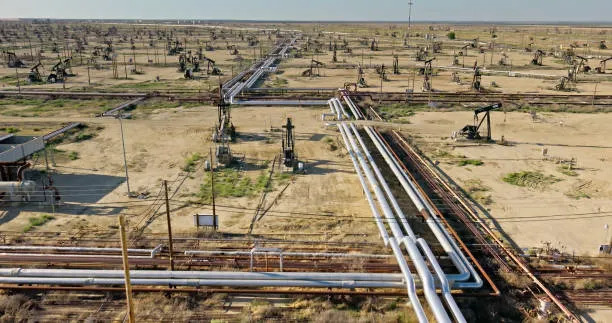
- Uganda plans a new pipeline linking Eldoret to Kampala
- New storage terminal will expand Uganda’s fuel reserves
- Pipeline forms part of wider plans to strengthen fuel security
Uganda is stepping up efforts to strengthen its fuel security with plans for a petroleum products pipeline linking Eldoret in Kenya to Kampala, even as the country deepens its investment in alternative storage and supply infrastructure.
Energy and Mineral Development Minister Monica Musenero highlighted the proposed Eldoret-Kampala pipeline during the groundbreaking of Uganda’s new Kampala Storage Terminal in Mpigi District on Thursday.
The terminal will have capacity to store 320 million litres of petroleum products, more than Uganda’s current monthly consumption of about 240 million litres. It is being developed by the Uganda National Oil Company (UNOC) as a strategic reserve and distribution hub.
The proposed Eldoret pipeline is part of a wider network expected to include the Kampala-Kigali pipeline and a 211-kilometre pipeline linking the planned Hoima refinery to the Kampala Storage Terminal.
The development is significant for Kenya, since Uganda remains heavily dependent on the Northern Corridor for fuel imports. UNOC says about 95% of Uganda’s petroleum products, equivalent to nearly 2.96 billion litres annually, currently enter through Kenya via the Port of Mombasa and the Kenya Pipeline system.
YOU MAY WANT TO READ:
Notably, Uganda has also acquired a 20.15% strategic stake in Kenya Pipeline Company, giving its national oil company a direct interest in infrastructure that remains central to its fuel supply chain.
The Eldoret-Kampala pipeline would therefore add another layer to Uganda’s petroleum strategy, alongside larger storage reserves, domestic refining and diversification of import routes. Uganda has also been developing supply arrangements through Tanzania as it seeks greater resilience against international and regional disruptions.
The pipeline’s final cost and construction schedule have yet to be announced. However, Ugandan government planning documents have previously identified feasibility studies and financing arrangements for the Eldoret-Kampala petroleum products pipeline as part of the country’s planned downstream infrastructure.
With Uganda moving toward domestic oil production and refining, the race is increasingly shifting from simply securing fuel imports to building the infrastructure needed to store, transport and distribute its own petroleum products across the region.
By Khayoyo Ian
Get more stories from our website: Sacco Review.
For comments and clarifications, write to: Saccoreview@
Kindly follow us via our social media pages on Facebook: Sacco Review Newspaper for timely updates
Stay ahead of the pack! Grab the latest Sacco Review newspaper!