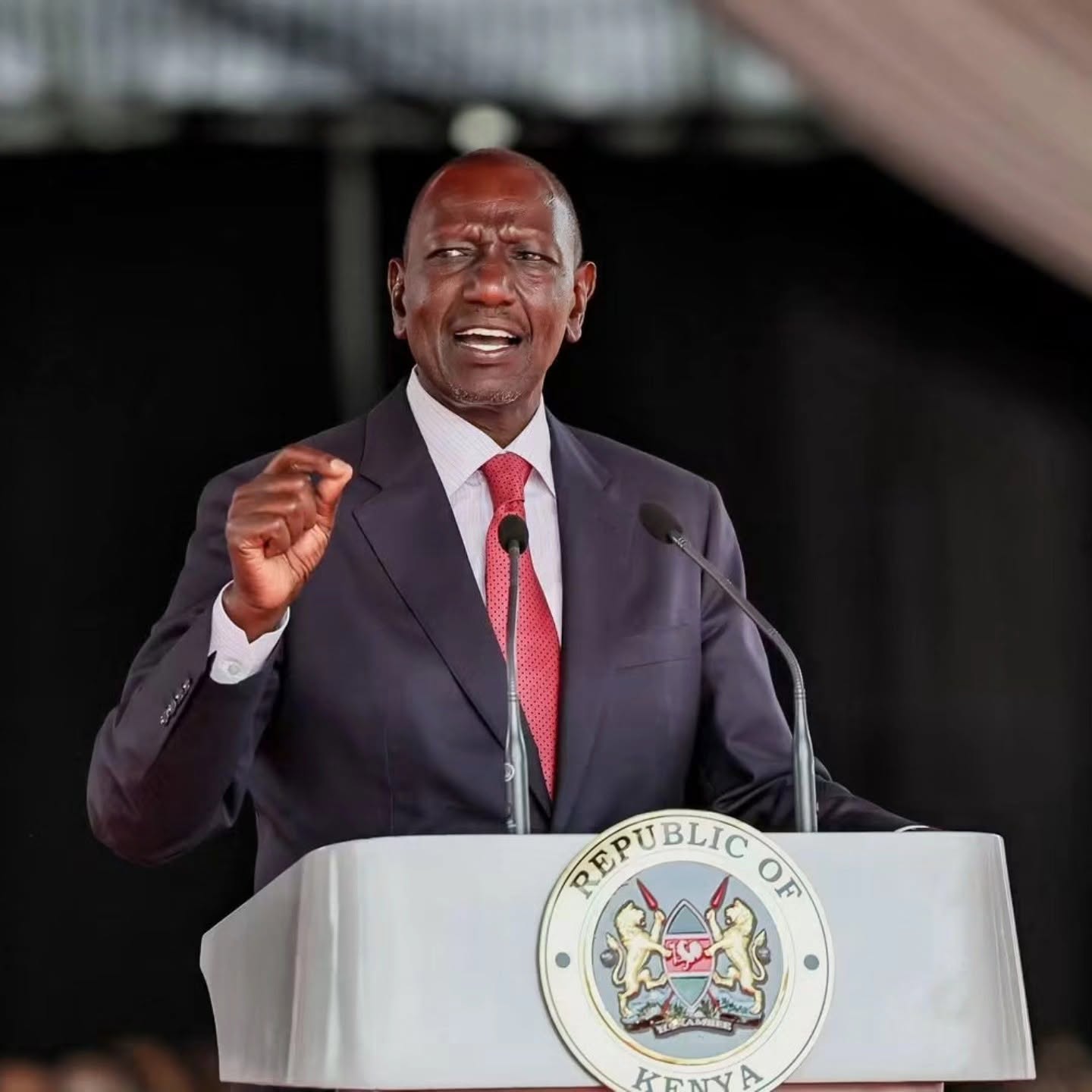
President William Ruto has floated the import of water buffaloes and superior camel breeds to ease Kenya’s persistent milk shortages.
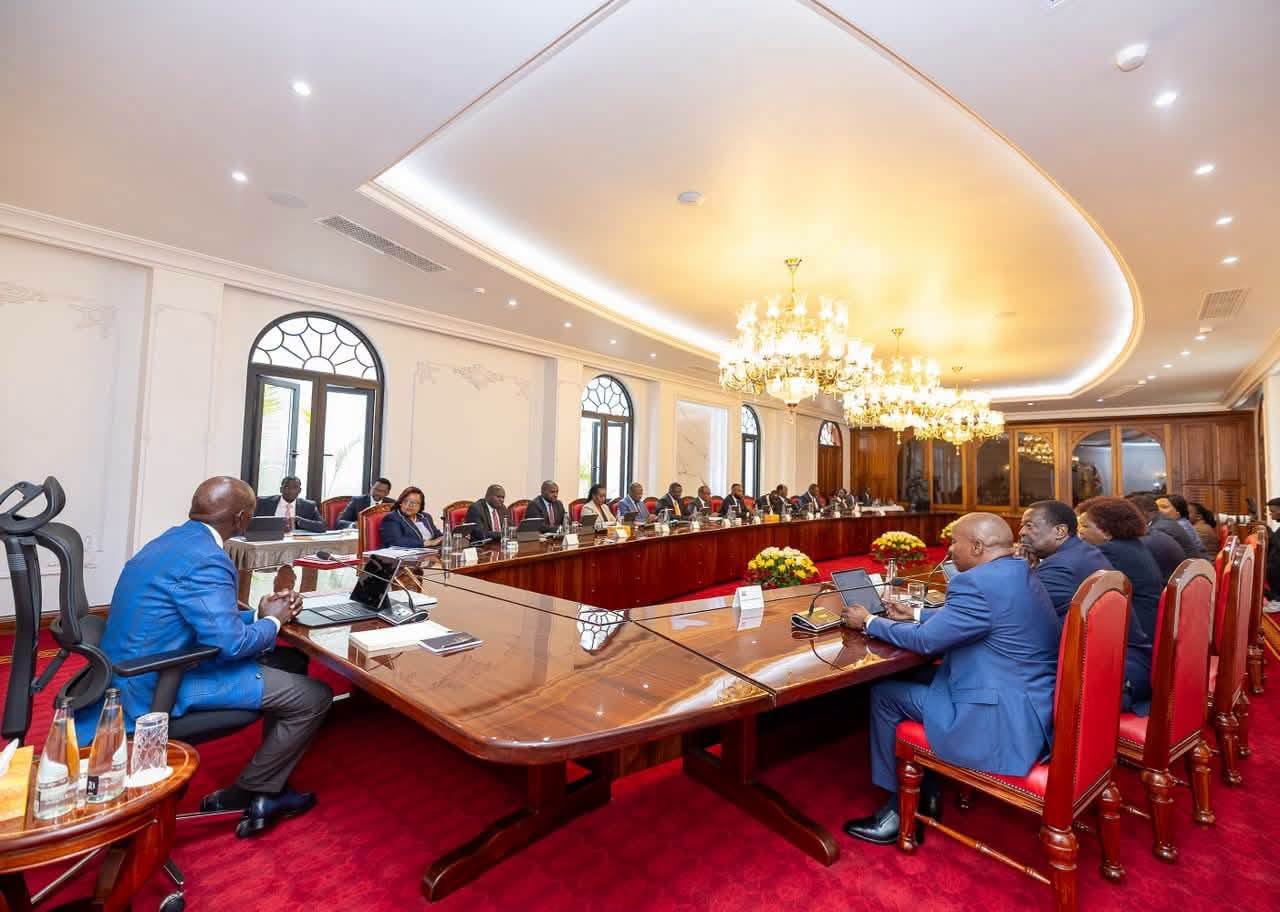
He spoke at the Agriculture and Food Transformation Summit at the Nairobi ASK Showground. The summit was themed Advancing Food Sovereignty, Job Creation & Shared Prosperity. There, he urged farmers and livestock officials to look beyond cattle as the country’s main source of milk.
Camel milk, he noted, is fetching between Ksh 180 and Ksh 200 a litre in urban centres. That is almost three times what consumers pay for cow’s milk.
“Camel milk in town is now selling for up to Ksh 200 a litre, almost three times that of cow’s milk,” Ruto said. “With the current dry spell causing milk shortages, camels offer a reliable alternative because they yield significantly more milk during harsh conditions. Farmers are asking for better breeds, and I agree.”
READ:
To raise the quality of local herds, the President asked Livestock Development Principal Secretary Jonathan Mueke to look into sourcing superior camel breeding bulls from abroad. The aim is to upgrade the national stock and improve yields.
Ruto also raised the idea of bringing in dairy water buffaloes for a trial. He cited India, where buffalo milk supports a thriving commercial industry, as a model Kenya could follow.
“In India, domesticated buffaloes are a major source of high yield milk. We should import a sample herd to test locally. If other nations are milking buffaloes and camels, why shouldn’t we do the same?” he said.
Beyond camels and buffaloes, the President sees a bigger role for goats and sheep in dairy production. In his view, a wider mix of milk animals would shield smallholder farmers from climate shocks and steady domestic supply. It would also open fresh income streams for pastoralist communities.
By Benedict Aoya
Get more stories from our website: Sacco Review.
For comments and clarifications, write to: Saccoreview@
Kindly follow us via our social media pages on Facebook: Sacco Review Newspaper for timely updates
Stay ahead of the pack! Grab the latest Sacco Review newspaper!