
- Kenya is being urged to shift from importing goods towards expanding its domestic manufacturing capacity.
- Business leaders are highlighting regional markets as an opportunity to drive investment and economic growth.
- Calls for predictable taxes and simpler licensing are adding to the debate on how to strengthen local enterprises.
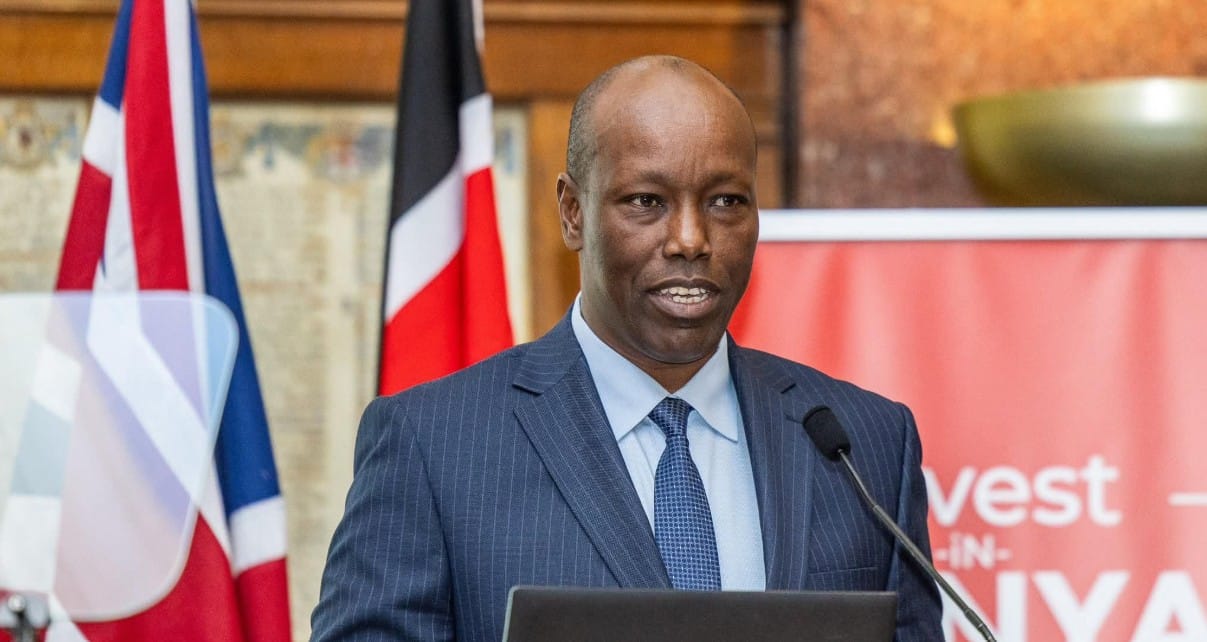
Investments, Trade and Industry Cabinet Secretary Lee Kinyanjui has challenged Kenyan businesses to step up local manufacturing and value addition, urging them to seize regional trade opportunities to create jobs and cut the country’s dependence on imported goods.
Kinyanjui said Kenya had significant economic potential that could be unlocked by investing in local industries and expanding into markets across East Africa and the wider African continent.
Speaking at KCB Group’s PowerTalk forum in Nairobi, the CS called on entrepreneurs to move beyond trading in imported products and instead build businesses that manufacture goods locally and create employment.
He described Kenya as a country brimming with opportunities and urged those in the room to recognise and act on them
He also pointed to the role of local banks in providing financing and supporting businesses seeking to grow their operations and access new markets.
KCB Group Chief Executive Officer Paul Russo urged businesses to maintain long-term investment strategies, warning that election cycles should not interrupt economic activity or delay development plans.
READ:
Russo said businesses needed to remain focused on their growth ambitions regardless of political changes, arguing that sustained investment was essential for economic progress.
He insisted that company plans should not be tied to the election calendar, since operations and investment cannot afford to stall every time a vote approaches
KCB Group Treasurer Anthony Mulisa said East African economies were recording average growth rates of between 5.5 and 6 per cent, outpacing the 4.1 to 4.3 per cent recorded across sub-Saharan Africa.
He identified infrastructure development, agricultural processing, extractive industries and improved regional connectivity as key areas that could drive further economic expansion.
However, business leaders cautioned that the operating environment remained exposed to global uncertainties, including geopolitical conflicts, fluctuating energy prices and climate-related disruptions, which could increase production costs and discourage investment.
Participants also called for more predictable taxation, streamlined licensing processes and the removal of overlapping levies, saying a simpler regulatory environment would help businesses operate more efficiently.
KCB Bank Kenya Managing Director Annastacia Kimtai said the forum offered a platform for government and private-sector leaders to examine the challenges facing enterprises and explore ways the bank could support their expansion.
Held under the theme “Beyond Uncertainty: Unlocking Opportunities in an Evolving Global Economy,” the forum brought together business and government leaders to discuss investment prospects, regional trade and strategies to strengthen Kenya’s competitiveness.
The discussions centred on the need for businesses to take advantage of emerging opportunities while building resilience against economic shocks and maintaining investment momentum.
By Lizzy Aluga
Get more stories from our website: Sacco Review.
For comments and clarifications, write to: Saccoreview@
Kindly follow us via our social media pages on Facebook: Sacco Review Newspaper for timely updates
Stay ahead of the pack! Grab the latest Sacco Review newspaper!