- Kenya’s cultivated land has more than doubled over three decades, boosting food production.
- Maize, beans, Irish potatoes and rice recorded significant growth in output.
- Limited high-potential agricultural land remains a challenge despite expanding cultivation.
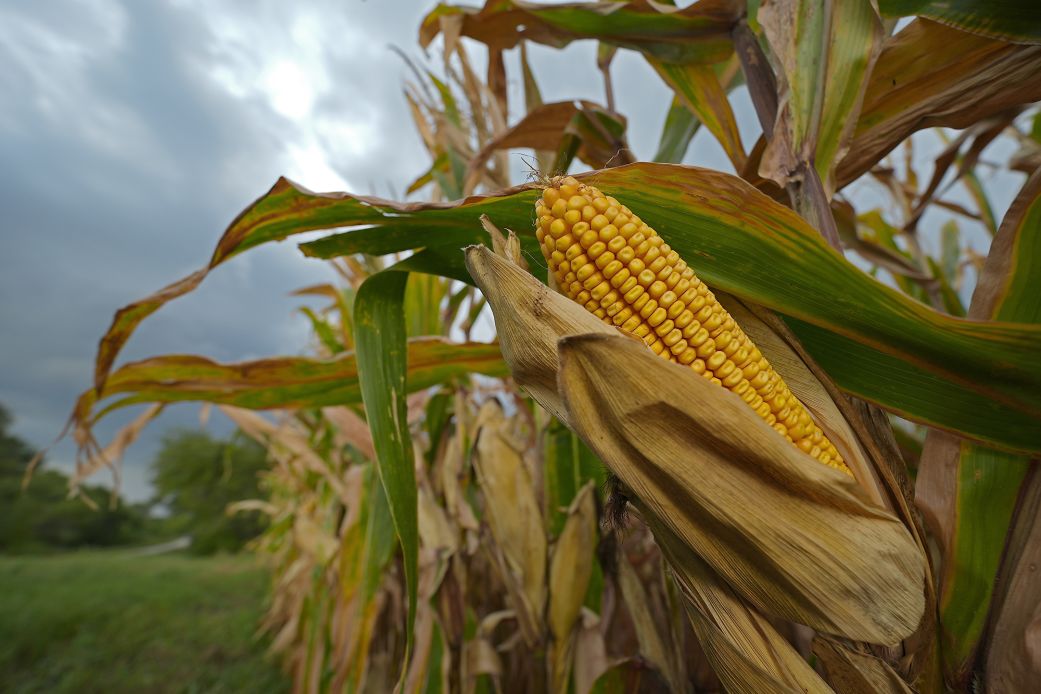
Maize output has increased by about one million tonnes over three decades, as land under crop cultivation expanded by 126 per cent.
Data from the Kenya National Bureau of Statistics (KNBS) shows that land dedicated to crop farming grew from 3.46 million hectares to 7.8 million hectares. The growth was largely driven by the conversion of grasslands into agricultural land.
This expansion has contributed to increased production of key food crops. Maize recorded the most notable growth, rising from approximately 2.3 million tonnes to 3.3 million tonnes between 1990 and 2021.
Beans production also registered considerable growth, increasing from 400,000 tonnes to 700,000 tonnes. Irish potato output climbed from 800,000 tonnes to 2.1 million tonnes over the same period. Rice production equally recorded an upward trend, rising from 40,000 tonnes to 200,000 tonnes.
READ:
In its Development of Land Accounts in Kenya report, KNBS attributed the improved agricultural output to an increase in cultivated land and better crop yields. Statistics from the bureau further indicate that tea and sugarcane production have continued to improve. Coffee and barley, however, have experienced declining output due to reduced cultivated acreage and lower yields.
Despite the expansion in agricultural activity, Kenya faces limitations in the availability of productive land. Only 20 per cent of its total land area is considered suitable for medium to high potential agriculture.
The report places Kenya’s total land area at approximately 59.2 million hectares. Grasslands account for the largest share at 67.8 per cent, followed by forestlands at 6.1 per cent and wetlands at 2.2 per cent.
By Lizzy Aluga
Get more stories from our website: Sacco Review.
For comments and clarifications, write to: Saccoreview@
Kindly follow us via our social media pages on Facebook: Sacco Review Newspaper for timely updates
Stay ahead of the pack! Grab the latest Sacco Review newspaper!