The Kenya Agricultural and Livestock Research Organisation (KALRO) has opposed a proposal to move livestock research into a separate institution, as MPs reviewed the Livestock Bill, 2026, in Machakos County on Friday, November 6, 2026. Supporters of the move, however, argued that livestock has long deserved an independent research body.
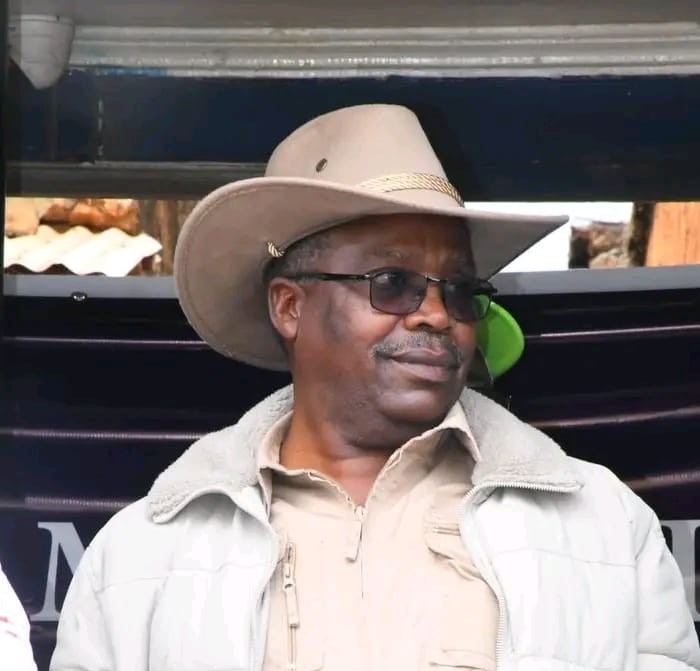
The National Assembly Agriculture and Livestock Committee, chaired by Tigania West MP Dr John Mutunga, was collecting views from stakeholders. The Bill is sponsored by Majority Leader Kimani Ichung’wah and aims to set up a full legal framework for the sector.
The Bill proposes eight institutions: the Livestock Sector Transformation Fund, the Livestock Inputs and Products Regulatory Authority, the Kenya Livestock Research Organisation, the Livestock and Livestock Products Marketing Board, the Kenya Veterinary Vaccines Institute, the Kenya Tsetse and Trypanosomiasis Eradication Council, the Kenya Animal Genetic Resources Centre and the Kenya Leather Development Authority. It would also create the Kenya School of Animal Resources and Industry and introduce rules for beekeeping.
Defending the proposals, Dr Christopher Wanga, who directs livestock policy, research and regulation at the State Department for Livestock Development, said each value chain needs its own representation and regulation. He said the plan follows recommendations from a presidential task force on parastatal reforms. A Regulatory Impact Assessment, he added, found that the benefits of the law outweigh leaving the sector without comprehensive regulation.
ALSO READ:
Dr Mutunga pressed the State Department on whether it is ready to answer public concerns and misinformation. He reminded officials that a similar Bill was dropped earlier after public outcry, and asked how they would defend this one against critics. Kanduyi MP John Makali shared those worries, questioning whether the ministry had consulted the public enough or shared enough information.
On research, KALRO’s Director of Livestock Systems, Dr Kipkemoi Changwony, warned that taking livestock work out of the organisation would weaken an integrated approach.
“If we go ahead with the proposal of moving the Livestock research institute from KALRO, we risk losing the key functions and infrastructure of cross-cutting disciplines such as agronomists, biotechnologists, soil scientists, environmental scientists and laboratory facilities,” he said.
He added that KALRO’s multidisciplinary programmes serve both crop and livestock production, which strengthens resilience and productivity.
ALSO READ:
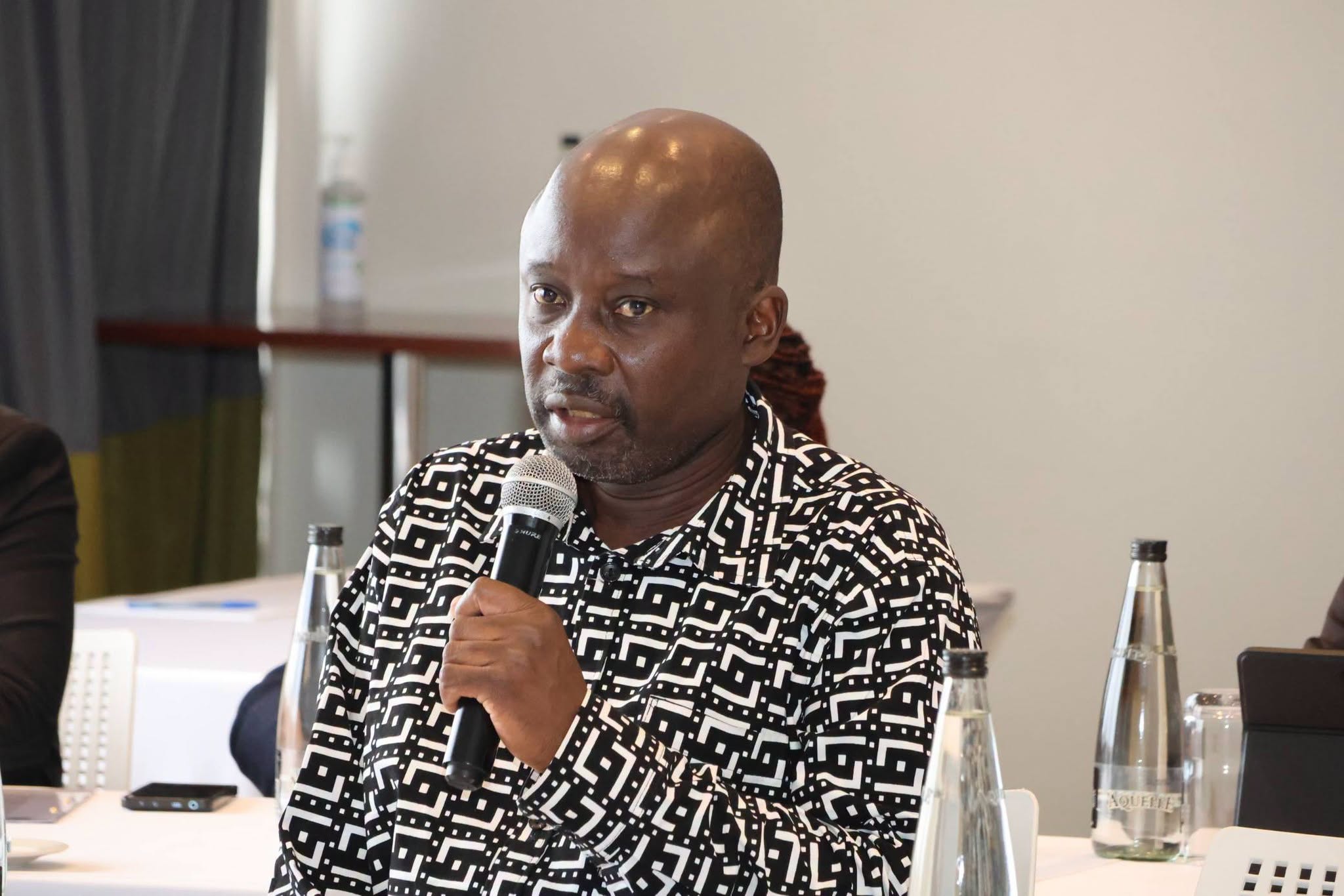
Mr Makali nonetheless backed a dedicated livestock research institution, saying it would raise productivity and strengthen livestock systems. Presidential Adviser on Livestock and Rangeland Management Prof Abdi Guliye also supported the idea, pointing to historical disparities.
“The livestock sector has always received the shorter end of the stick,” he said. He asked why livestock should not enjoy the same institutional independence as the sugar, tea and coffee industries.
Several other bodies also appeared before the committee, including the Kenya Leather Development Council, the Kenya Dairy Board, the Kenya Meat Commission, the Kenya Bureau of Standards, the Kenya Veterinary Board and the Kenya Veterinary Vaccines Production Institute. The Agriculture Finance Corporation and the Salaries and Remuneration Commission also took part.
By Benedict Aoya