
Counties have no alternative but to divert money from other services to pay Universal Health Coverage (UHC) workers absorbed on permanent and pensionable terms, Council of Governors (CoG) Chairman and Tharaka-Nithi Governor Muthomi Njuki has said.
Mr Njuki warned that the delayed disbursement of Sh8.9 billion is piling pressure on devolved units. He said counties had been paying the health workers for four months without receiving the funds promised by the national government to support their absorption.
He said the money was expected to be channelled through the County Governments Additional Allocations Act but had yet to reach the counties, leaving them to seek resources elsewhere to meet the wage obligations.
“The Sh8.9 billion needed to maintain these staff could become a serious burden to counties because it is eating into funds meant for other functions,” Mr Njuki said.
The CoG chairman called for the immediate release of the funds, warning that continued delays were undermining service delivery and worsening the financial strain on county governments.
ALSO READ:
KALRO opposes plan to move livestock research to new body as MPs review Livestock Bill
He said the UHC staff arrangement was agreed by the national and county governments, with the attendant resources expected to follow the workers into county employment.
Mr Njuki said delayed disbursements were also contributing to pending bills, as counties were forced to implement functions without receiving the resources required to finance them.
“We demand full implementation of devolved functions with their corresponding resources. Many functions have been released, but the resources are held by the national government,” he said.
He said counties were often held responsible for poor service delivery despite lacking the funds needed to carry out assigned responsibilities, while national government ministries took credit for work implemented at the devolved level.
Mr Njuki also faulted decisions affecting county payrolls and staffing that are made without adequate county participation. He said the CoG wanted a structured dialogue involving the National Treasury, the Salaries and Remuneration Commission (SRC), the Commission on Revenue Allocation (CRA), the Public Service Commission (PSC) and county governments.
“I will bring together the National Treasury, the Salaries and Remuneration Commission, the CRA, the Council of Governors and the Public Service Commission so that we can align capability, productivity and sustainability with Kenya’s long-term development goals,” he said.
“Dialogue must become our first option, not the last. We are grappling with a situation where decisions are made that have an impact on your payroll and yet you are not at the table.”
He said counties were sometimes left to meet obligations they had not budgeted for because they were excluded from decisions affecting staffing and expenditure.
Mr Njuki further called for counties to have a meaningful role in decisions on revenue sharing, saying their involvement in discussions on the Division of Revenue Bill had been inadequate.
ALSO READ:
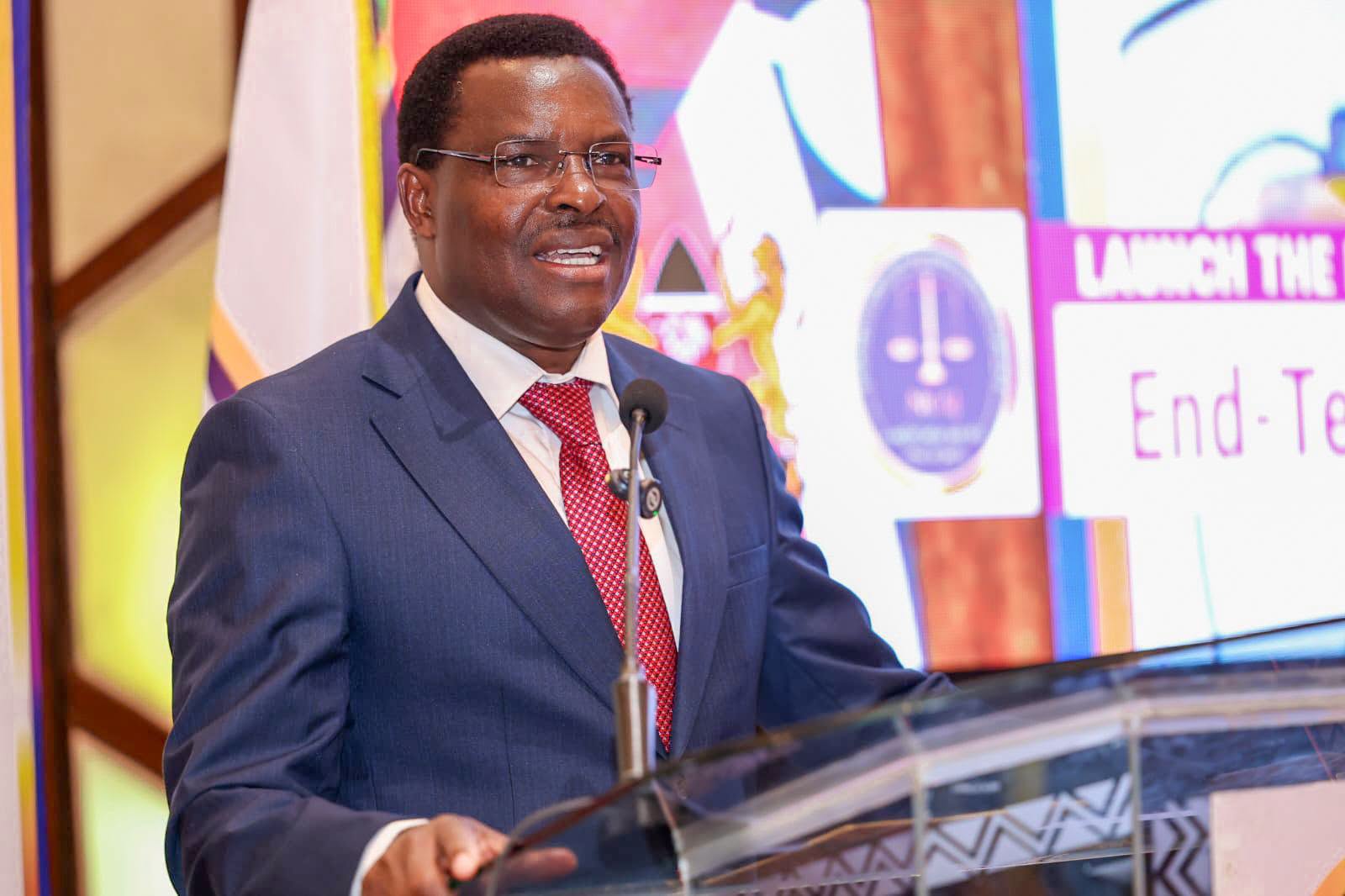
The governor made the remarks while addressing the 30th Institute of Human Resource Management conference in Naivasha. He also challenged public and private institutions to strengthen workforce productivity and ensure promotions are based on merit, and urged them to conduct regular internal workforce audits, assess employees’ skills and set measurable performance targets to improve service delivery.
He called for skills audits and workshops in counties to address the problem of ghost workers, warning that the issue had sometimes been used during administrative transitions to remove legitimate employees and create room for new recruits.
He urged human resource practitioners to consider qualified internal candidates before advertising positions externally, saying some employees may have the skills required for higher positions but accepted available jobs when they joined an organisation. Using the example of a driver who could have the qualifications to work in an accounting position, he said institutions should identify and nurture talent within their ranks.
Mr Njuki also criticised promotions based on personal connections, saying career progression should be guided by competence, productivity and transparent criteria.
He said predictable and timely disbursement of funds was essential for counties to plan staffing needs and deliver services, adding that Kenya’s development goals could not be achieved by one level of government acting alone.
By John Majau