
Proposed law targets fraudulent professional credentials and introduces a separate Ksh3 million fine for unlicensed practice.
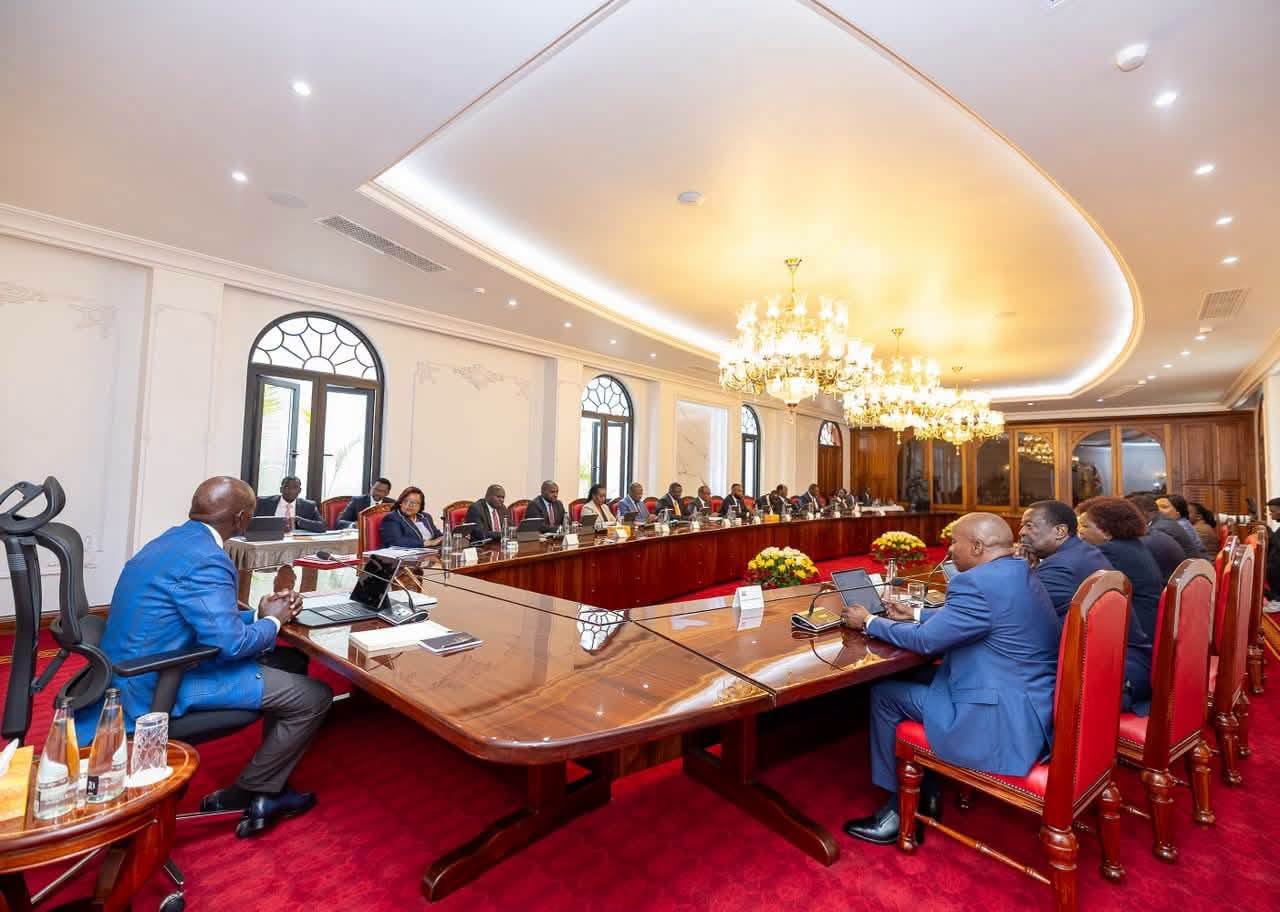
President William Ruto’s Cabinet has approved a Bill proposing fines of up to Ksh2 million or imprisonment for up to two years for professionals who fraudulently obtain registration or licences, escalating the government’s crackdown on fake credentials amid deadly building collapses and growing concerns over construction safety.
The proposed Architectural and Quantity Surveying Practitioners Bill, 2026, also provides for a separate fine of up to Ksh3 million for practising without a valid licence, strengthening the proposed legal framework governing architects, quantity surveyors and other built-environment professionals.
Approved on Friday, October 9, 2026, the Bill seeks to tighten professional oversight and improve accountability in the construction industry. It must, however, undergo parliamentary consideration before becoming law.
The Bill proposes a fine of up to Ksh2 million or imprisonment for up to two years for anyone who fraudulently obtains professional registration or a licence.
Separately, practising without a valid licence could attract a fine of up to Ksh3 million. The two penalties relate to distinct offences and should not be conflated.
The proposed legislation also introduces mandatory annual practising licences for architects, quantity surveyors, landscape architects, interior designers and construction project managers.
If enacted, the law would replace legislation dating back to 1934, under which specified offences, including unlawfully using the protected titles of architect or quantity surveyor, attract a maximum fine of Ksh5,000.
In February 2023, Parliament discussed proposed amendments seeking to increase the penalty for falsely presenting oneself as an architect or quantity surveyor to Ksh1 million, alongside possible imprisonment for up to two years.
The latest proposals signal a tougher regulatory approach in which professional credentials, licensing and compliance with established standards would carry greater legal consequences.
READ:
The proposed annual licensing framework could provide an additional mechanism for accountability. However, its effectiveness will depend on the final legal requirements, verification procedures and enforcement measures.
The proposed reforms come amid disturbing findings about building safety in Nairobi and renewed scrutiny of construction regulation across the country.
On January 9, 2026, the Institution of Engineers of Kenya reported that inspections by the National Building Inspectorate covering approximately 15,000 buildings in Nairobi found only 15 per cent to be safe, while about eight per cent were classified as being in fair condition. The remainder were categorised as unsafe, according to then-IEK president Shammah Kiteme.
The warning followed the January 2 collapse of Manzil Towers in Nairobi’s South C estate, which killed two people.
The National Construction Authority said the approved structural design provided for 12 storeys, but the building had reached 14 storeys before collapsing.
The incident intensified scrutiny of construction approvals, adherence to approved designs and the effectiveness of inspections intended to protect lives.
A separate investigation into the partial collapse of an 11-storey building in Mombasa in April 2025 also raised concerns about the alleged misuse of professional credentials by licensed architects and engineers.
Investigators cited design flaws, inadequate site investigations and poor professional supervision, alongside weaknesses in inspection and regulatory oversight.
These incidents illustrate why professional competence, regulatory enforcement and adherence to approved construction plans must operate together. Tougher penalties for fraudulent credentials cannot, on their own, eliminate every cause of structural failure.
By Hillary Muhalya
Get more stories from our website: Sacco Review.
For comments and clarifications, write to: Saccoreview@
Kindly follow us via our social media pages on Facebook: Sacco Review Newspaper for timely updates
Stay ahead of the pack! Grab the latest Sacco Review newspaper!