- Government is pushing for changes to credit assessment to widen financing opportunities for small businesses.
- Women-led enterprises continue to receive a smaller share of outstanding MSME credit despite strong borrower representation.
- A proposed partnership seeks to mobilise more capital and expand alternative lending models.
Kenya is seeking to overhaul its credit assessment system to widen access to affordable financing for women entrepreneurs and other small business owners. Growing concerns that conventional lending requirements continue to lock out viable enterprises are driving the push.
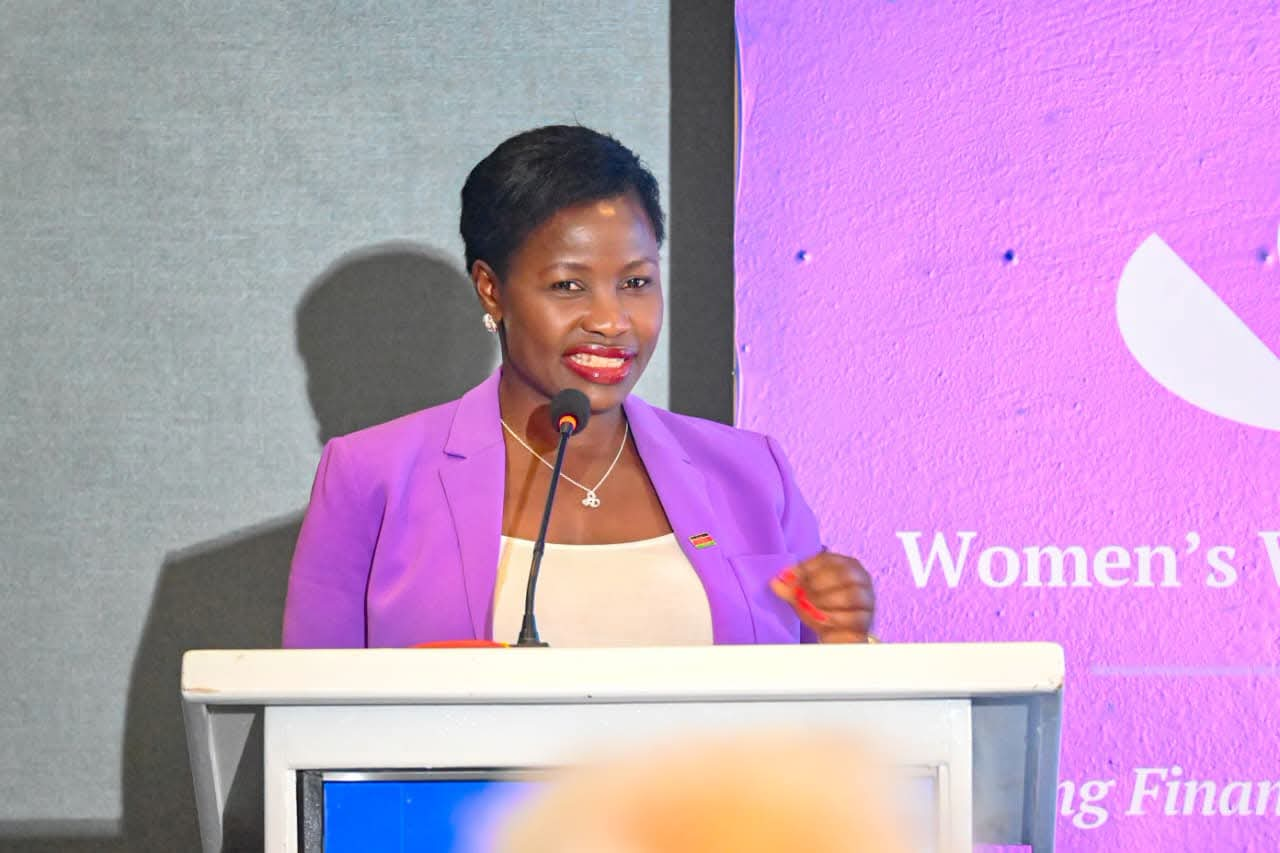
Principal Secretary for Micro, Small and Medium Enterprises (MSME) Development Susan Mang’eni says financial institutions must look beyond borrowers’ credit histories. In her view, they should also consider social and behavioural attributes when determining a borrower’s ability to repay loans.
Mang’eni made the remarks during a private reception and dinner hosted by Women’s World Banking under the theme “Beyond Access: Advancing Women’s Economic Opportunity in Africa.” Discussions centred on expanding women’s access to finance and addressing persistent barriers to economic participation.
She noted that Kenya has made considerable progress in financial inclusion. However, the country must now focus on credit inclusion. This means developing lending models that recognise the circumstances and potential of borrowers who may lack conventional credit records.
READ:
The PS pointed to government-backed financing initiatives as important interventions in providing entrepreneurs with access to capital. They include the Hustler Fund, Uwezo Fund, Women Enterprise Fund, Kenya Industrial Estates (KIE) and the NYOTA Project.
She said the initiatives had created opportunities for deeper collaboration between the government and mainstream financial institutions. The aim is to increase affordable financing for women-owned businesses.
The engagement comes against the backdrop of a significant financing gap facing Kenya’s MSME sector. Estimated demand for credit stands at approximately Ksh4 trillion.
According to figures cited during discussions on the revised MSME policy, commercial banks supply about Ksh700 billion. That leaves a financing shortfall estimated at Ksh3.3 trillion.
The challenge is particularly evident among women-led enterprises. A Kenya Bankers Association report released in August 2026 indicated that women-led businesses accounted for 46 per cent of unique MSME borrowers. Yet they received only 25 per cent of outstanding MSME credit, highlighting the disparity in access to financing.
Mang’eni consequently invited Women’s World Banking for a follow-up meeting at her office. The meeting will explore possible areas of cooperation in reforming the country’s credit architecture, strengthening alternative credit assessment models and mobilising more capital for small businesses.
The proposed collaboration is expected to explore approaches that could enable lenders to recognise borrowers’ repayment potential beyond traditional credit scoring. It would also create opportunities for women entrepreneurs to access financing and expand their businesses.
The renewed focus on credit inclusion signals a shift towards ensuring that financial access translates into meaningful economic opportunities. This is particularly true for women whose businesses have the potential to create jobs, generate income and contribute to the country’s economic growth.
By Lizzy Aluga
Get more stories from our website: Sacco Review.
For comments and clarifications, write to: Saccoreview@
Kindly follow us via our social media pages on Facebook: Sacco Review Newspaper for timely updates
Stay ahead of the pack! Grab the latest Sacco Review newspaper!