- Kenya reclaims East Africa’s largest economy title with an estimated GDP of $151.15 billion.
- Ethiopia trails with an estimated $127.15 billion economy but is projected to record faster growth in 2026.
- Kenya’s challenge is to translate its economic position into more jobs, higher incomes and improved living standards.
Kenya has reclaimed its position as East Africa’s largest economy, reaffirming its role as a major centre of commerce, innovation and investment.
Its Gross Domestic Product (GDP) is estimated at $151.15 billion in 2026, ahead of Ethiopia’s approximately $127.15 billion. The $24 billion gap highlights the scale of Kenya’s economic activity and the strength of sectors including financial services, technology, agriculture, transport, manufacturing and trade.
The milestone is significant, but its broader importance lies in whether Kenya can convert economic strength into more jobs, higher incomes and improved living standards.
Kenya’s return to the top follows years of competition with Ethiopia. The latest estimates reflect the country’s established commercial networks, which connect businesses and investors to markets across East Africa.
GDP rankings can shift because of exchange rate movements, statistical revisions and changes in economic performance. Kenya’s current position nevertheless underscores its continuing influence in the regional economy.
READ ALSO:
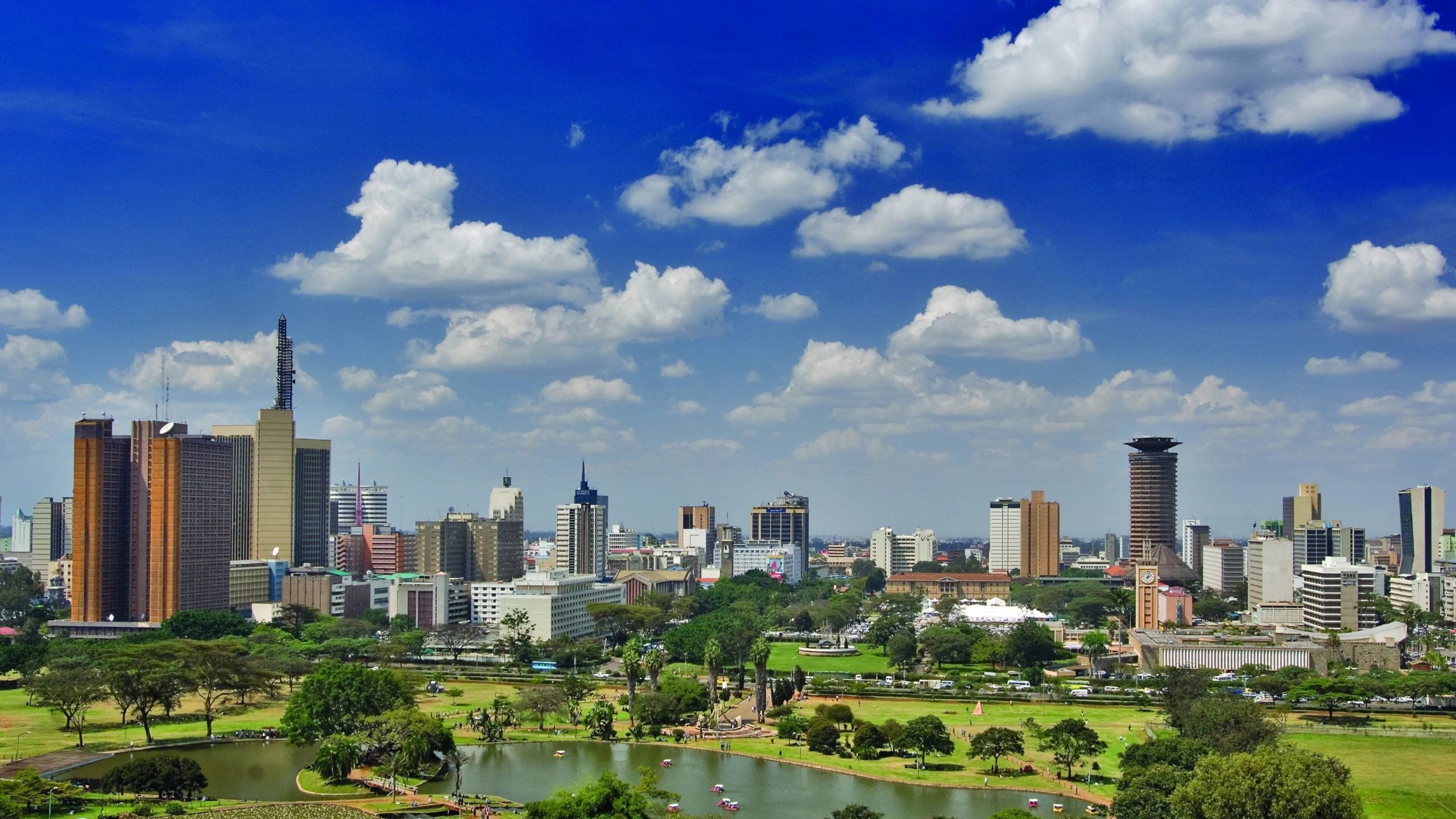
Kenya’s economic standing is supported by agriculture, financial services, telecommunications, transport, technology, manufacturing and tourism. Nairobi has become a major regional business and financial centre. Meanwhile, the country’s digital economy, entrepreneurial culture and financial infrastructure continue to attract companies and investors.
These strengths provide a foundation for further investment, business expansion and employment creation. With sustained investment and effective policies, Kenya can deepen local industries, improve productivity and expand opportunities for its growing workforce.
Although Kenya leads in nominal GDP under the estimates cited, Ethiopia retains substantial growth potential. The International Monetary Fund’s (IMF) October 2026 outlook projects Ethiopia’s real GDP growth at 9.2 per cent in 2026, compared with 4.5 per cent for Kenya.
This contrast shows why rankings require context. Kenya has the larger economy in nominal dollar terms, while Ethiopia is projected to grow faster in inflation-adjusted terms. Exchange rate changes can also affect the dollar value of national output.
Maintaining its lead will require Kenya to continue investing, raise productivity and create conditions that enable businesses to compete and grow.
By Hillary Muhalya
Get more stories from our website: Sacco Review.
For comments and clarifications, write to: Saccoreview@
Kindly follow us via our social media pages on Facebook: Sacco Review Newspaper for timely updates
Stay ahead of the pack! Grab the latest Sacco Review newspaper!