
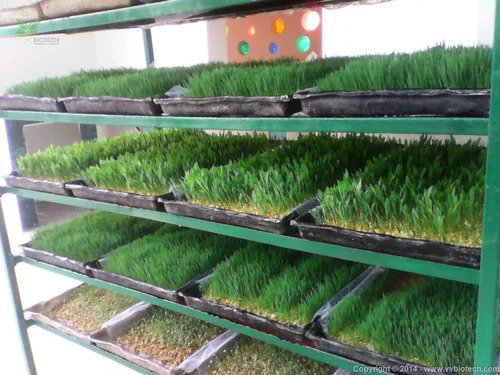
- Farmers explore seed tray nurseries as an alternative to direct maize planting
- The technique could help reduce seed wastage and improve seedling establishment
- Proper transplanting and nursery management remain key to successful crop development
Maize farmers could improve crop establishment, minimise seed wastage and enhance farm management by adopting an alternative planting technique that involves raising maize seedlings in seed trays or small containers before transplanting them into the main field.
The technique, commonly known as nursery establishment and transplanting, involves germinating maize seeds in individual containers under controlled conditions before transferring the young plants to the farm when they have developed sufficiently.
Although direct planting remains the most widely practised method of establishing maize farms, raising seedlings before transplanting presents an alternative worth exploring. This is particularly so for small-scale farmers dealing with unpredictable rainfall, expensive hybrid seeds and challenges associated with poor germination.
One of the major advantages of raising maize seedlings in trays is the ability to monitor and manage germination. Farmers can regulate moisture, select suitable growing media and protect seeds from unfavourable environmental conditions.
Unlike direct planting, where some seeds may fail to germinate because of inadequate moisture, excessive rainfall or pest attacks, nursery establishment allows farmers to identify healthy seedlings before transferring them to the field. This can be particularly beneficial when using expensive hybrid maize varieties, where every wasted seed represents an additional production cost.
The technique could also help farmers take advantage of the rainy season by preparing seedlings before the onset of effective rainfall. Instead of waiting for the rains before planting, farmers can establish nurseries using controlled watering systems.
Once sufficient rainfall is received and field conditions become favourable, the seedlings can be transferred to the main farm. This approach could give farmers a head start in crop establishment, although seedlings should not remain in containers for too long because restricted root development can affect their growth.
READ:
Raising seedlings separately also allows farmers to prepare their main fields while the maize is developing in the nursery. During this period, farmers can plough their land, apply recommended fertilisers or manure, prepare planting lines and control weeds. By the time the seedlings are ready for transplanting, the main field can already be prepared. The technique also provides an opportunity to establish uniform plant spacing, helping reduce unnecessary competition for sunlight, moisture and soil nutrients.
Young maize seedlings are vulnerable to several environmental threats, including insects, soil borne pests and fungal infections. When raised in properly managed containers, seedlings can be monitored more closely and protected against some of these threats.
Farmers can inspect individual plants, remove unhealthy seedlings and maintain better nursery hygiene before transplanting. However, nursery establishment does not completely eliminate pest and disease risks, and proper field management remains essential after transplanting.
Uniform and healthy seedlings transplanted at the recommended spacing can help establish a more organised maize field. Plants that receive adequate sunlight, water and nutrients have better opportunities for healthy development.
Nevertheless, higher yields are not automatic. Transplanting can expose maize seedlings to temporary growth setbacks, particularly when roots are damaged or plants experience transplant shock. The success of the technique therefore depends on proper nursery management, timely transplanting and favourable field conditions.
Farmers interested in experimenting with this technique should use containers deep enough to accommodate developing roots and ensure that the growing medium is clean and well drained. Seedlings should receive adequate moisture without becoming waterlogged. They should also be transplanted while still young, preferably around the two to three leaf stage, to minimise transplant shock.
Careful handling is essential. Farmers should preserve the root ball as much as possible and avoid exposing the seedlings to excessive heat during transplanting. Watering immediately after transplanting can also help seedlings establish themselves in the main field.
The method presents an additional option for small-scale farmers in maize producing regions experiencing unpredictable rainfall patterns. Farmers in West Pokot, Trans Nzoia, Uasin Gishu, Bungoma and other agricultural counties could experiment with small demonstration plots to establish whether nursery raised maize performs better under their local conditions.
However, transplanting requires additional labour, containers, nursery space and careful management. Direct sowing remains the established and generally more economical approach, particularly for large-scale commercial maize production. The most practical way to establish the effectiveness of the technique is to compare nursery raised maize with directly planted maize using the same seed variety, soil conditions, spacing and farm management practices.
Ultimately, successful maize production is not determined by the planting technique alone. Seed quality, soil fertility, rainfall, spacing, weed control and timely farm operations remain essential determinants of productivity. For farmers willing to experiment, raising maize seedlings in trays could provide another tool for managing planting seasons, protecting expensive seeds and improving crop establishment.
By Hillary Muhalya
Get more stories from our website: Sacco Review.
For comments and clarifications, write to: Saccoreview@
Kindly follow us via our social media pages on Facebook: Sacco Review Newspaper for timely updates
Stay ahead of the pack! Grab the latest Sacco Review newspaper!