- Murang’a turns market waste into organic fertiliser through a private partnership
- Waste processing creates jobs while reducing the county’s refuse management costs
- Farmers and other agricultural players emerge as key markets for the fertiliser
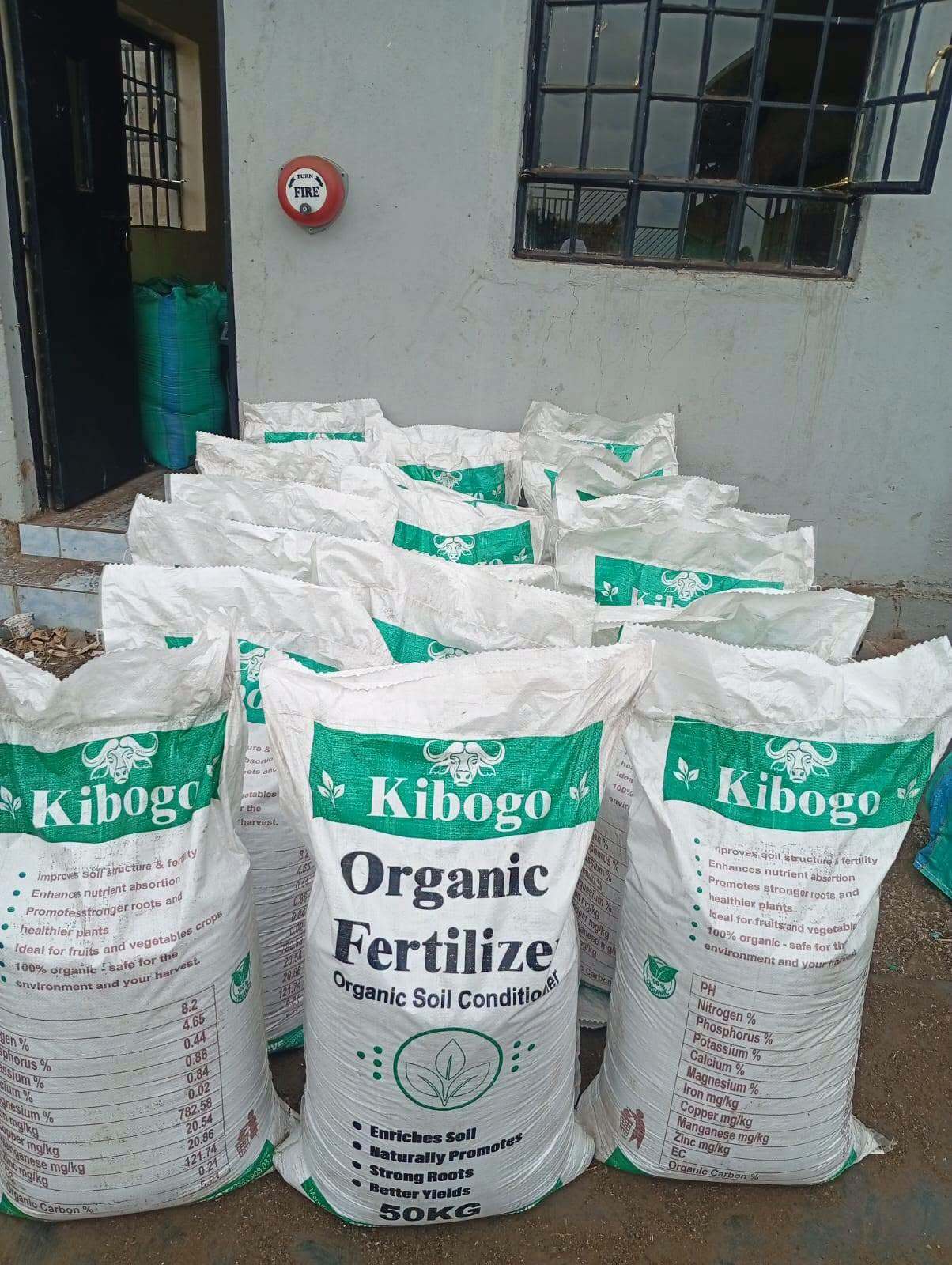
The prudent use of the Mitumbiri Sanitary Landfill by the Murang’a County Government has led to the production of quality organic fertiliser sourced from more than 1,000 metric tonnes of refuse generated in part of Murang’a County.
The tonnes of waste sourced from the markets within the agriculture-endowed Murang’a South region are processed, and organic fertiliser is produced by Harcourt Agri-Eco Farm Limited, a private company that was engaged by the County Government.
The processing of the waste is beneficial to Murang’a owing to turning the markets clean and providing employment opportunities to the locals, among other benefits.
The plant currently processes 1–2 tonnes of organic waste per day, with the mechanised production expected to scale up to 8–10 tonnes per day.
Environment and Climate Change Chief Officer Sam Murigi said at the landfill that there are between 35 and 50 people engaged by the company with the responsibility to sort the garbage, with the refuse earmarked for organic set aside.
In a month, more than 1,000 tonnes of refuse generated in the market centres is deposited in the facility for sorting and processing, explained Mr Murigi.
“The refuse is mainly sourced from Murang’a County, currently from the south part of Murang’a, with plans to extend to other counties,” said Murigi.
Harcourt Agri-Eco Farm Limited responded to the call for investment after last year’s Murang’a Investment Conference that was initiated by Governor Irungu Kang’ata.
ALSO READ:
The investor, Winnie Harcourt, said her company was evaluated by the county government and turned out to be successful before allocation of space for the operations in Gikono in Kimorori Wempa ward.
“We are experts in recycling, and in a few months we have proved our worth,” she said.
The engagement of a private developer has assisted in cost reduction for the county government in collecting refuse from the markets, with the finances allocated to support other key areas like water connectivity, solarisation of dispensaries, and street lighting, among other community development programmes.
Two weeks ago, Kang’ata announced that his administration, through a partnership with a private investor, has converted organic waste into organic fertiliser at Mitumbiri Sanitary Landfill, a move that farmers and agroecology-supporting organisations congratulated.
“Organic fertiliser creates jobs, turning waste into wealth for a more productive and sustainable environment,” said Kang’ata.
Kang’ata said the proposed urbanisation strategies in Murang’a, including the establishment of the Industrial Park, are designed to propel development and growth in the coming years.
The primary target markets for the organic fertiliser include small-scale farmers, high-value crop farmers, tree nursery operators, landscaping and lawn care operators, among others.
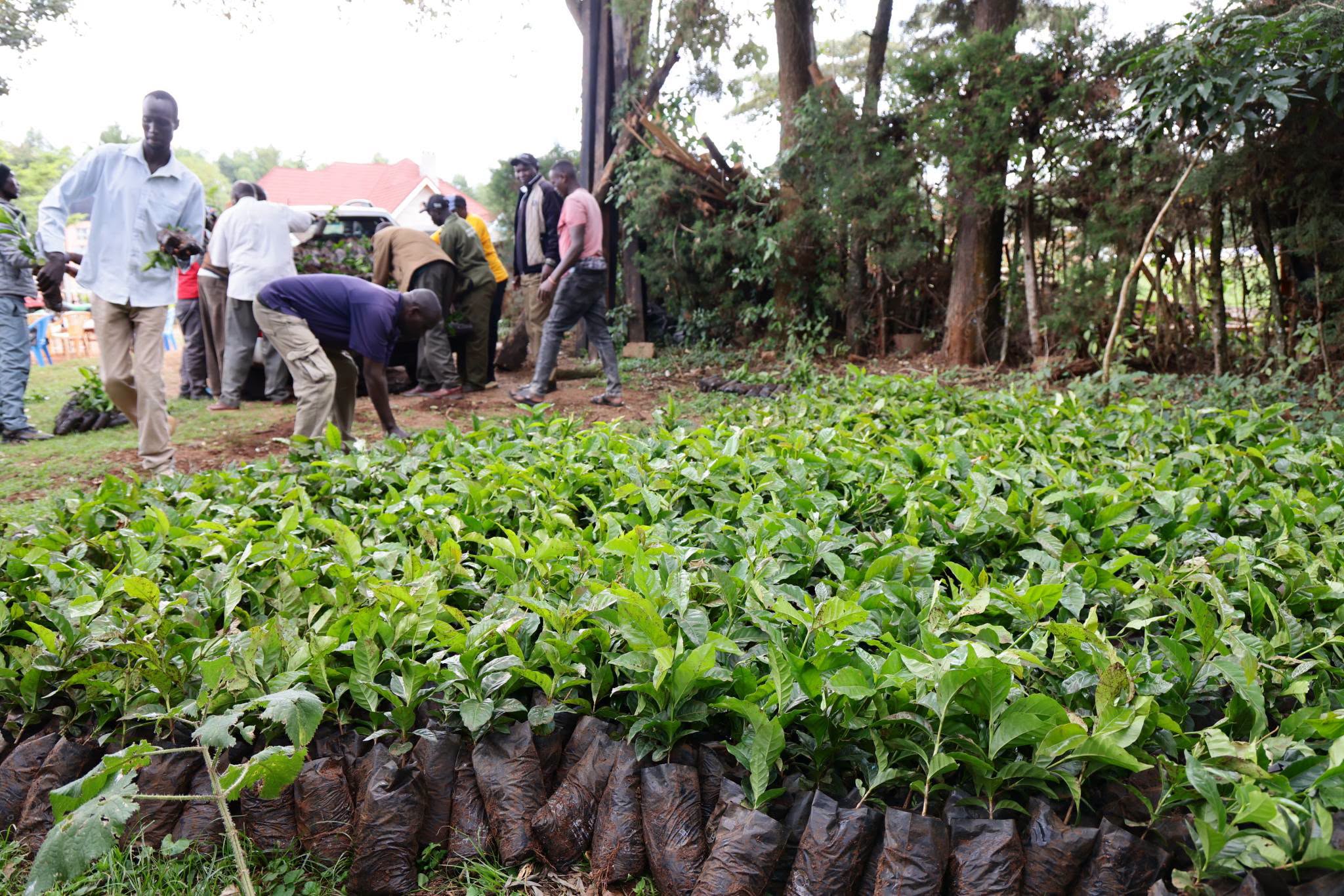
In the horticulture industry, experts outline that organic fertiliser is ideal for crops grown in acidic soils and heavy rainfall areas, such as tea, coffee, fruit trees, seed germination, and nurseries.
By our correspondent
Get more stories from our website: Sacco Review.
For comments and clarifications, write to: Saccoreview@
Kindly follow us via our social media pages on Facebook: Sacco Review Newspaper for timely updates
Stay ahead of the pack! Grab the latest Sacco Review newspaper!