- Harrison Mwirigi Ikunda reflects on the mounting pressures facing tea farmers
- The writer argues diversification can help farmers manage income risks
- Ikunda calls for stronger advocacy to address challenges facing the tea sector
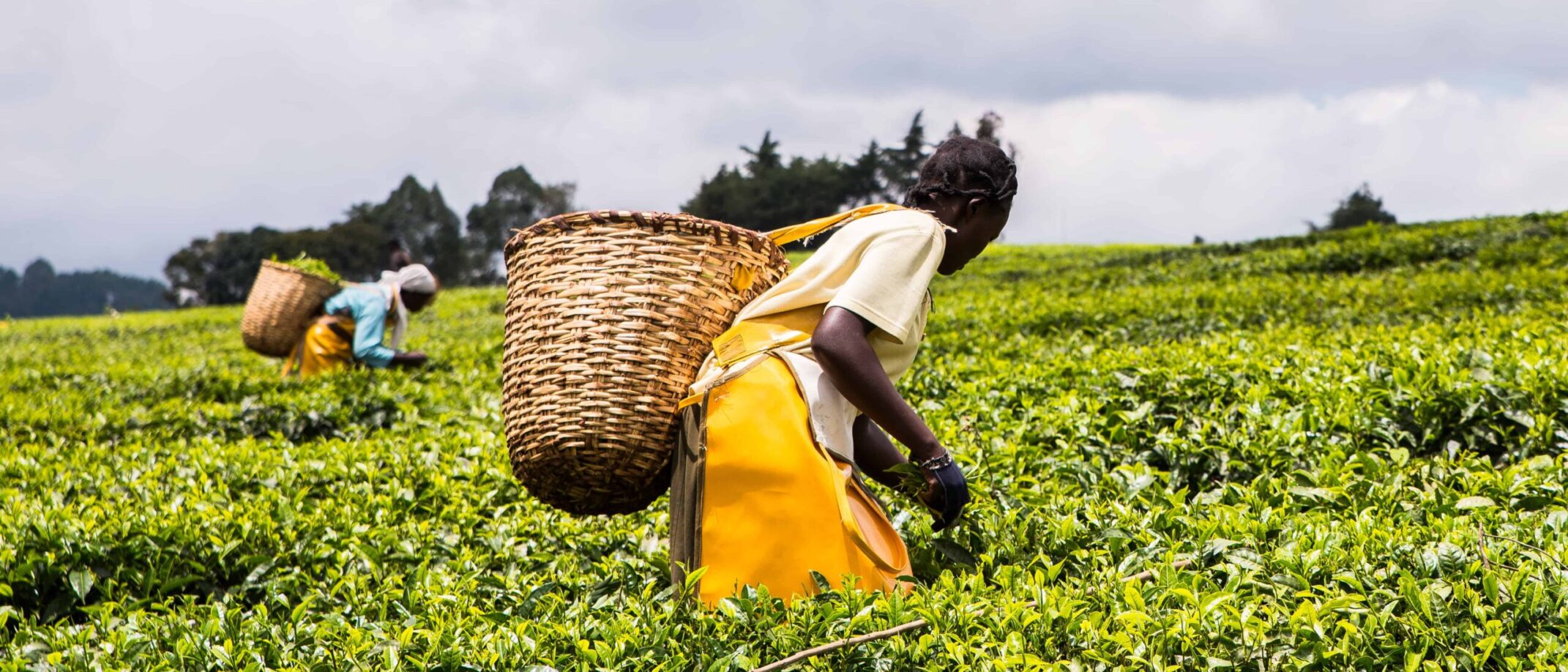
Ask me, a small-scale farmer. When the Kenya Tea Development Agency (KTDA) announced this year’s tea bonus, I was not surprised by the low earnings rates. Rukuriri paid Ksh50, Imenti Ksh48, Gathuthi Ksh47.50, Mungania Ksh43.80 and Kionyo Ksh36, with Kaptumo at the bottom with Ksh12.50. But as a farmer, I was deeply troubled.
I thought the corporate world had taught me stress management. Board meetings, targets, retrenchments, I thought I had seen it all. Farming has taught me otherwise. Farming is not just business. It is a compulsory unit in stress management, character development and humility.
My first real lesson was as a pig farmer. One morning I went to the farm and found swine fever had conspired with the village witches. The whole lot was sleeping permanently. My digestive system misbehaved immediately. I restocked. Then workers worked magic on feeds and the animals showed stunted growth. I fired the lot.
The next set was more innovative. They exchanged my well-fed, fat pigs with emaciated ones from other farmers and pocketed the markup. I was running a pig replacement programme without knowing.
Then there was waru, Irish potatoes, with a friend in Timau, Meru. The first crop was magnificent. Thousands of bags. But there was a national glut. Prices collapsed so badly that if you took a bag to the market, you would not recover harvesting and transport costs, even if you managed to sell at all. We sold nothing. We donated the whole harvest through the area chief and went home with seedlings.
Next season the crop was beautiful. People came on weekends to take photos in it. Then the rains failed. The crop failed. Like the proverbial dog putting its tail between its legs in defeat, we never went back. Even today, when I see a potato or chips on my plate, I remember Timau. My friend, now a senior civil servant, reminds me and we laugh. It was not funny then.
Lately as a beekeeper, I found that bees refused to come to my hives. I used swarm lure several times, to no avail. Frustrated, I wanted to burn the lot of beehives. One sunny morning I went to check and found nothing. While figuring out the next steps, I heard a swarm overhead. They seemed to be passing. Suddenly I was under attack. I was so stung I fell down.
When I woke up, they had occupied a hive and soldiers were still pushing me away. With medication and natural remedies, I was fine. The bees had finally come home, but at a price.
READ ALSO:
Such is farming. So with the tea bonus frustrations, I am not letting tea farming go the way I did with potatoes in the late 1990s.
This year’s bonus is not about lazy factories. It is a perfect storm. The closure of the Strait of Hormuz after the escalation in the Middle East choked the route carrying 25 per cent of our tea. Exports to Iran collapsed 98 per cent in May. Sudan, after banning Kenyan tea last year, is down 59 per cent.
Up to 10 million kilos worth US$23 million got stuck in Mombasa. Add the 0.8 per cent export levy introduced in May 2025 that pushed buyers to Rwanda and Burundi, plus high power and diesel costs. The smallholder is receiving geopolitics he never voted for.
I write from pain but also from perspective. A farm manager called me after the bonus rates were announced, telling me that the village is quiet and in despair, wondering how parents will pay school fees. I have been there.
What then? I have two answers: Diversify and advocate seriously.
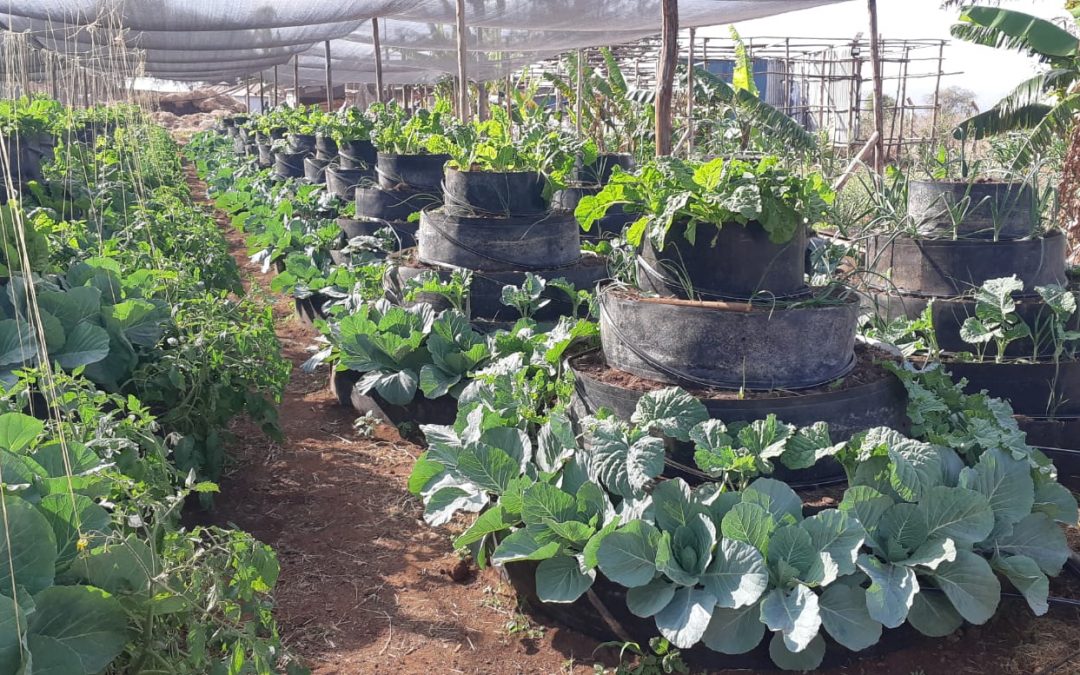
Diversification is not abandoning tea. It is risk management. In Githunguri constituency in Kiambu County, I have seen a farmer on a quarter-acre with four tea lines, two hybrid cows giving 40 litres each daily, and Hass avocado on the boundary. Every tea zone can do dairy and Hass. If Coca-Cola stuck with only brown soda it would be bankrupt. Diversification done intelligently works.
Second, advocacy from micro to macro, from buying centre to factory board, county cess to Parliament, Mombasa auction to Tehran and Khartoum. We need value addition incentives, lower power costs, crop insurance and diplomacy to reopen closed markets. Tea is our third forex earner. We cannot tax and abandon it.
Farming will remain a course in stress management. But with diversification and intelligent advocacy, we can stop repeating the same unit every semester.
By Harrison Mwirigi Ikunda
The writer is a trained journalist and a political, economic and social analyst and commentator.
Get more stories from our website: Sacco Review.
For comments and clarifications, write to: Saccoreview@
Kindly follow us via our social media pages on Facebook: Sacco Review Newspaper for timely updates
Stay ahead of the pack! Grab the latest Sacco Review newspaper!