- A new cotton ginnery is being installed in Teso North to process farmers’ produce locally.
- The facility will produce lint, cotton seed oil and animal feed, creating new value addition opportunities.
- Farmers are being encouraged to increase cotton production to meet the ginnery’s processing capacity.
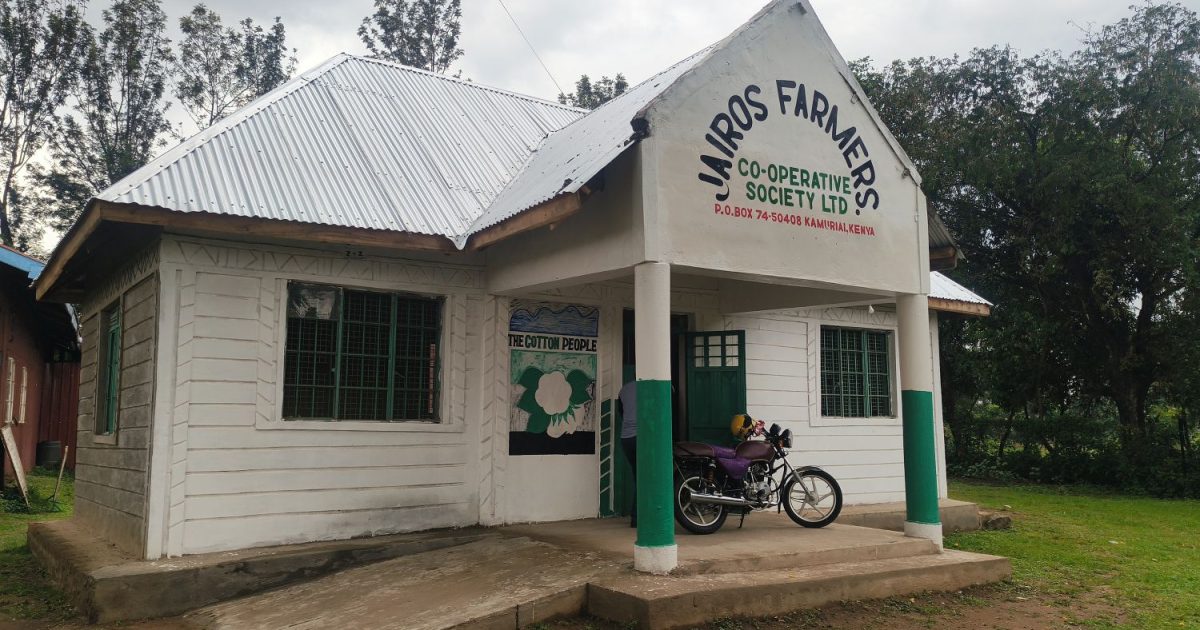
The establishment of a new cotton ginnery at Jairos Farmers’ Co-operative Society is expected to benefit cotton farmers in Teso North, Busia County, where installation of the processing machines is underway.
Once complete, the ginnery will process seed cotton gathered from farmers into lint bales, while additional machines will crush the cottonseed to produce crude cotton seed oil and cottonseed cake for animal feed. The co-operative society plans to acquire another machine to refine the crude oil into edible cottonseed oil.
The initiative is part of the Busia County Government’s projects under the National Agricultural Value Chain Development Project (NAVCDP), aimed at transitioning farmers from subsistence to commercial agriculture, boosting household incomes and driving grassroots economic growth.
Jairos Farmers’ Co-operative Society chairman Sammy Odama urged more farmers to join the society and plant cotton to provide sufficient raw material for the ginnery.
READ ALSO:
NewFortis Sacco amends bylaws to introduce delegates, agencies
“The machines will have a capacity to process over 1,000 kilogrammes of seed cotton per hour. We have three of the machines, so the capacity is high and we need high volumes of cotton,” Odama said.
He assured farmers of continued support from the co-operative society once the ginnery becomes operational. “We have already issued sprays to farmers and we shall also provide inputs,” he said.
Odama noted that the society has identified a partner willing to provide cotton varieties for different seasons, with ongoing trials at the co-operative and among a few associated farmers to assess performance before adoption.
“Farmers have been facing challenges in accessing seed. With this partnership and the ongoing field trials, once successful, we shall establish a cotton seed bank,” he said.
He added that the society would work closely with the Kenya Agricultural and Livestock Research organisation (KALRO) and the Kenya Plant Health Inspectorate Service (KEPHIS) to ensure the varieties undergo the necessary evaluation and that the seed meets required quality standards.
The initiative is part of broader efforts to ensure cotton collected from farmers is processed within the region, spurring local development instead of transporting raw materials to other ginneries such as Muluanda Ginnery in Samia.
By Bernard Magada
Get more stories from our website: Sacco Review.
For comments and clarifications, write to: Saccoreview@
Kindly follow us via our social media pages on Facebook: Sacco Review Newspaper for timely updates
Stay ahead of the pack! Grab the latest Sacco Review newspaper!