
A high-level Committee of Experts has warned that serious governance, regulatory and structural weaknesses are threatening the stability of Kenya’s Savings and Credit Co-operatives (SACCOs) sector, calling for sweeping reforms to protect members’ savings and restore confidence in the cooperative movement.
The concerns are contained in the Report on the Transformation of the SACCO System in Kenya, released on February 16, 2026, which outlines major gaps in the legal and regulatory framework governing SACCOs and proposes far-reaching changes to strengthen oversight and improve sector resilience,
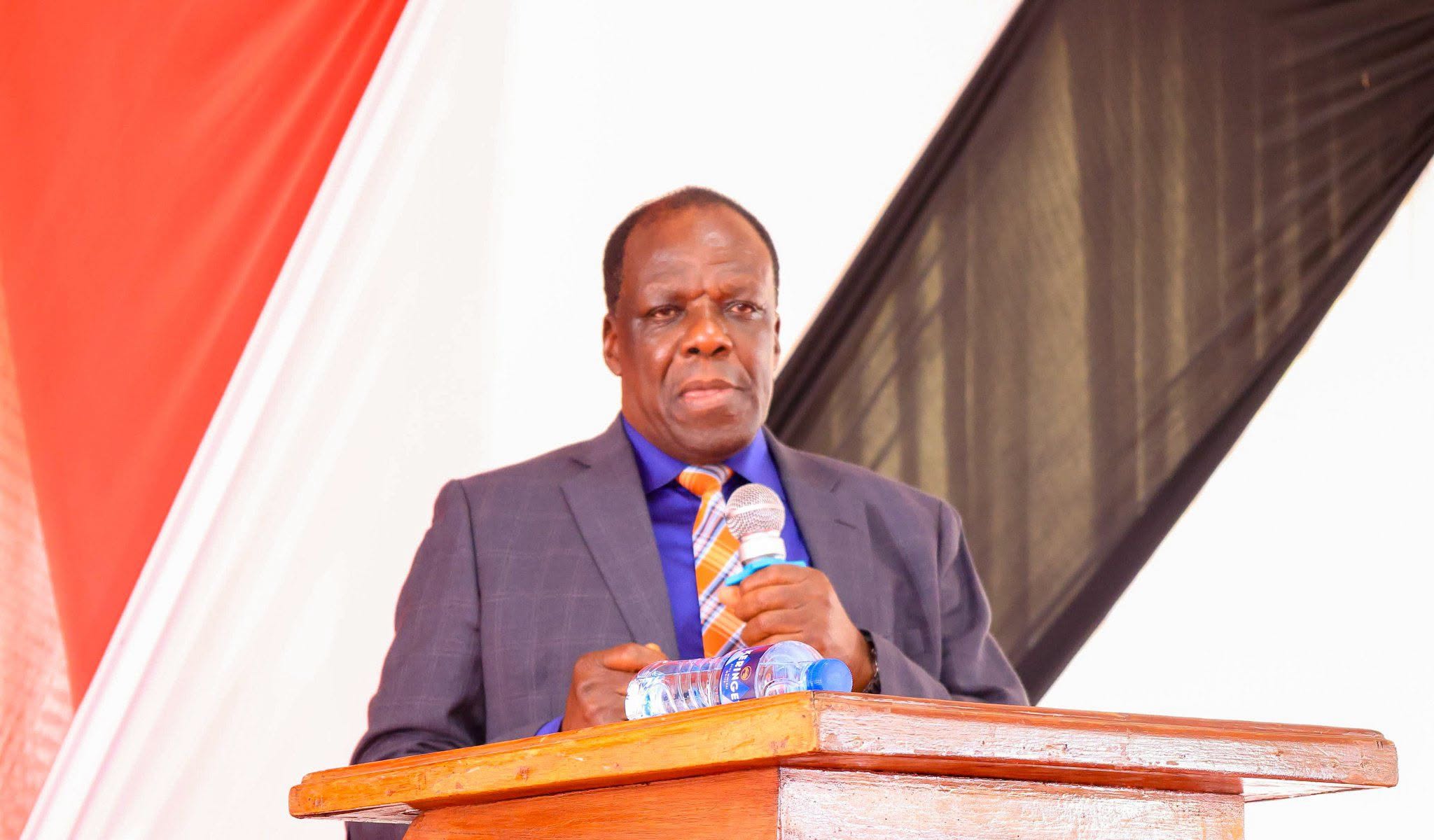
The report was presented to President William Ruto by the Cabinet Secretary for the Ministry of Co-operatives and MSMEs Development, Wycliffe Oparanya, who said the recommendations aim to build a SACCO system that is resilient, transparent and well-governed.
The committee found that which as of 2025 has over 7.4 million members and contributing more than 30% of GDP with Ksh 1.21 trillion total assets has weaknesses in liquidity management, the absence of deposit protection mechanisms and fragmented service delivery across institutions have exposed SACCOs to systemic risks. It also noted that limited access to banking services and inadequate digital infrastructure continue to undermine operational efficiency within the sector.
ALSO READ:
MPs raise concerns over governance issues in the Veterinary Board
Stakeholder consultations conducted during the review revealed widespread governance challenges. According to the report, many SACCO boards have become politicised and increasingly interfere with management functions, while some chief executive officers make strategic decisions without board approval or withhold crucial information from board members.
The report also raises concerns about the current registration framework administered at the county level, which it describes as weak and ineffective. The experts noted that the minimal requirements to establish a SACCO where as few as ten individuals can form one have led to the rapid growth of small and financially unsustainable institutions.
As a result, a large number of SACCOs are operating without effective regulatory oversight, exposing members’ savings to potential losses and increasing the risk of financial instability across the sector.
The committee further found that the structure of Kenya’s SACCO system diverges from international credit union models, creating confusion among members and weakening institutional efficiency.
Another major concern highlighted in the report is the duplication of functions among institutions within the cooperative ecosystem, particularly in areas such as training, education and liquidity support services. This duplication has led to inefficiencies and unnecessary competition among sector players.
To address the challenges, the committee has recommended urgent amendments to the Sacco Societies Act, 2008 to modernise the regulatory framework, clarify the mandate of SACCO institutions and strengthen supervision and enforcement.
ALSO READ:
Among the key proposals is the establishment of a Central Liquidity Fund and a SACCO Deposit Guarantee Fund to protect members’ deposits and enhance financial stability within the sector.
The report also recommends introducing a Stabilisation Protection Scheme to support struggling SACCOs, enforcing a mandatory Code of Corporate Governance and accelerating mergers among SACCOs that are deemed financially unsustainable.
Additionally, the committee proposes the development of a shared services framework that would allow SACCOs to access cost effective and scalable services such as training, digital platforms and liquidity management.
The Committee of Experts was appointed in April 2025 to review the Sacco Societies Act, 2008 amid growing concerns about governance failures, fraud cases and financial losses within the cooperative sector.
Over a period of 16 weeks, the committee conducted extensive consultations with stakeholders across the SACCO ecosystem to gather views and ensure broad participation in shaping the reform agenda.
The five-member committee was chaired by Marlene Shiels, Chief Executive Officer of Capital Credit Union in Scotland. Other members included Maurice Smith of the African American Credit Union Coalition in the United States, Gina Carter, a former partner at Husch Blackwell and board member of Redwood Credit Union, Kenyan constitutional law expert Odhiambo Collins Harrison and Gamaliel Hassan, Chief Executive Officer of Stima DT Sacco.
The findings are expected to shape future reforms aimed at improving governance, strengthening financial stability and safeguarding the savings of millions of SACCO members across the country.
Sacco Societies Regulatory Authority Quarterly Statistical and Soundness Report for the period October to December 2025 indicated that by December 2025, total assets of regulated SACCOs had grown to Ksh 1.21 trillion, up from Ksh 1.08 trillion recorded in December 2024.
By Obegi Malack
Get more stories from our website: Sacco Review.
For comments and clarifications, write to: Saccoreview@
Kindly follow us via our social media pages on Facebook: Sacco Review Newspaper for timely updates
Stay ahead of the pack! Grab the latest Sacco Review newspaper!