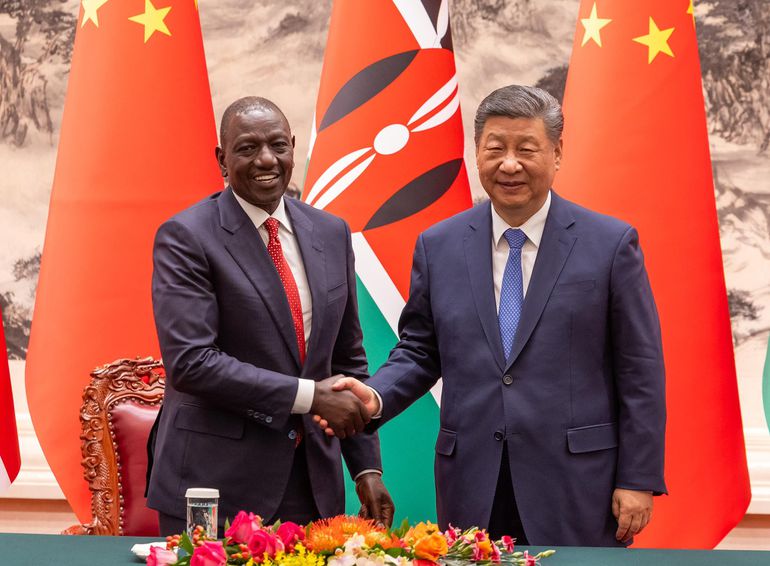
Kenyan exports will now enjoy duty-free access to the Chinese market, thanks to a new zero-tariff framework under the Kenya–China Early Harvest Agreement, which took effect on May 1, 2026.
This agreement promises to provide Kenyan exporters with enhanced market access, expanding trade opportunities between the two nations.
The Kenya–China Early Harvest Agreement is expected to benefit approximately 98.2% of Kenyan exports.
Cabinet Secretary for Investments, Trade, and Industry Lee Kinyanjui emphasized that this initiative will cover not only Kenya but also other African countries with diplomatic ties to China, which will be able to export goods to China without facing import duties.
“Starting May 1, 2026, products from African countries with diplomatic ties with China, including Kenya, will enjoy zero-tariff access to the Chinese market,” Kinyanjui noted in a statement
ALSO READ:
Digital transactions expose weaknesses in SACCO payment systems as regulators tighten oversight
This move is a significant step towards boosting Kenya’s export competitiveness, which has been hindered by a substantial trade imbalance with China.
In 2025, Kenya imported goods worth approximately Ksh778.5 billion from China, while its exports to the country amounted to only Ksh19.6 billion, creating a trade deficit of over Ksh758.9 billion.
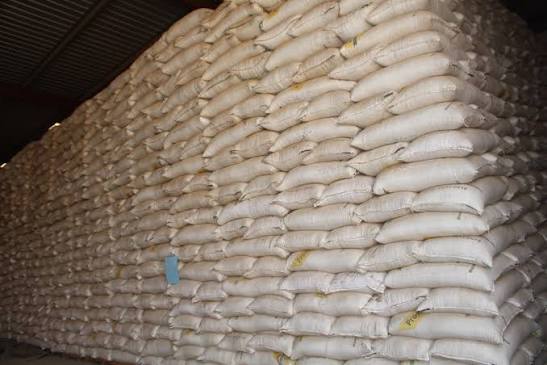
The zero-tariff framework aims to narrow this trade deficit by increasing exports from Kenya, particularly in sectors such as agriculture, horticulture, and value-added goods. Products such as tea, coffee, avocados, macadamia nuts, and fresh produce are among the primary beneficiaries, along with mineral exports like titanium ores, zirconium, and manganese.
Kenyan manufacturers of value-added goods, including leather products, natural resins, gums, and processed agricultural items, are also poised to gain from the new trade policy.
The agreement, which will remain in force until April 30, 2028, is designed to foster long-term economic cooperation between Kenya and China.
It is expected to generate increased foreign exchange earnings, create jobs, and encourage the expansion of local industries. Exporters will be encouraged to scale up production and meet necessary regulatory requirements to take full advantage of the opportunity.
ALSO READ:
Government securities lead SACCO investment portfolios as money market funds rise to 9 per cent
To qualify for zero-tariff access, Kenyan exporters must comply with regulatory conditions outlined by both Kenyan and Chinese authorities. These include registration with Kenya’s relevant bodies, adherence to Sanitary and Phytosanitary standards for agricultural exports, and certification from the Kenya Plant Health Inspectorate Service (KEPHIS).
Additionally, exporters will need to ensure their products are properly labelled in Chinese, adhere to traceability systems, and provide comprehensive export documentation, including certificates of origin and health certificates.
In response to these new requirements, government agencies have promised to streamline the certification and customs processes, ensuring that Kenyan exporters can access the Chinese market efficiently.
This agreement marks a crucial step in Kenya’s efforts to improve its trade relationship with China and increase exports.
By Obegi Malack
Get more stories from our website: Sacco Review.
For comments and clarifications, write to: Saccoreview@
Kindly follow us via our social media pages on Facebook: Sacco Review Newspaper for timely updates
Stay ahead of the pack! Grab the latest Sacco Review newspaper!