- KRA says it is implementing reforms to build a fair, transparent and predictable tax system that supports business growth.
- Authority plans to integrate iCMS with iTax and cut eligible VAT refund processing times to under 10 minutes.
- KEPSA urges KRA to speed up tax dispute resolution and expand Alternative Dispute Resolution mechanisms.
The Kenya Revenue Authority (KRA) has reaffirmed its commitment to a fair, transparent and predictable tax system that supports business growth while ensuring all taxpayers pay their share.
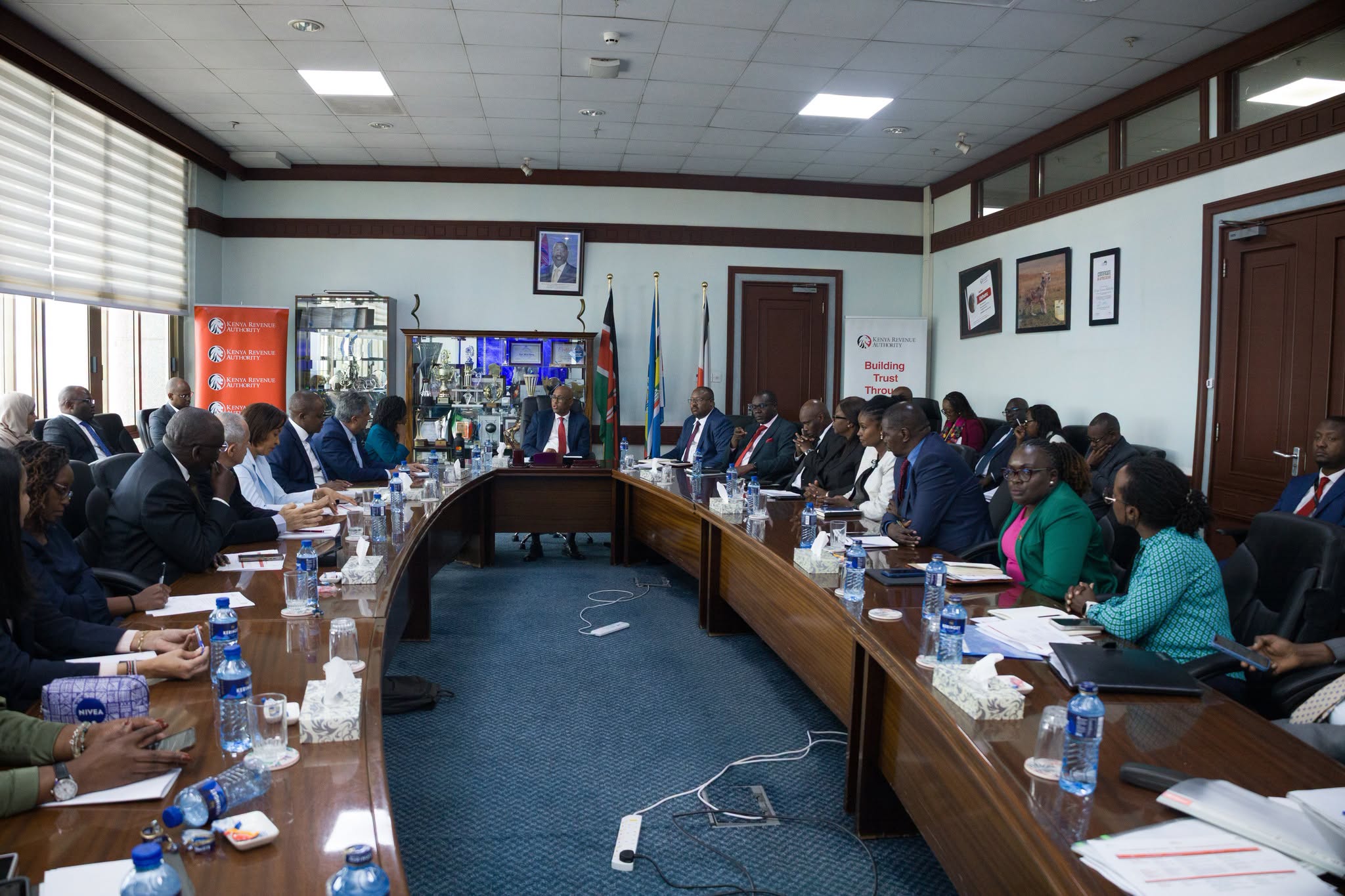
KRA Commissioner General Adan Mohammed made the remarks during a high level engagement with the Kenya Private Sector Alliance (KEPSA). The meeting brought together KRA’s senior leadership and KEPSA representatives to discuss tax administration issues affecting the private sector.
Mohammed said the Authority is implementing reforms to create a level playing field for businesses by eliminating tax leakages, enhancing compliance and improving service delivery.
“Our commitment is to create a level playing field where every business competes fairly and every taxpayer meets their obligations,” Mohammed said. “When some businesses evade taxes while others comply, compliant businesses are unfairly disadvantaged.”
YOU MAY HAVE MISSED:
He added that KRA’s objective is to build a tax system that is fair, transparent, predictable and efficient for taxpayers ranging from micro enterprises to large corporations.
Mohammed said KRA’s role goes beyond revenue collection. He noted the Authority wants businesses to succeed, since growing businesses naturally generate more tax revenue. He said KRA’s responsibility is to ensure willing taxpayers can comply through simple and reliable systems.
The Commissioner General observed that Kenya’s tax burden continues to fall on a relatively small number of compliant taxpayers. He said this makes it necessary to broaden the tax base rather than pile more pressure on those already meeting their obligations.
As part of efforts to improve the taxpayer experience, KRA is integrating the Integrated Customs Management System (iCMS) with iTax. This will automate verification of export and import transactions and reduce human intervention.
The reforms are also expected to cut Value Added Tax (VAT) refund processing timelines from several weeks to under ten minutes for eligible claims. Mohammed acknowledged concerns over VAT refund processing and assured the private sector that KRA is reviewing its systems to ensure equitable treatment for businesses of all sizes.
Discussions also covered market distortions arising from inconsistent classification of raw materials and intermediate goods, which have previously created unintended competitive advantages. Mohammed said KRA is working with stakeholders to simplify tax administration and close compliance gaps.
He added that tax incentives should ultimately benefit consumers through competitive pricing and improved productivity, rather than fuel market distortions.
On regional trade, Mohammed said KRA is strengthening collaboration with regional customs administrations and enhancing data sharing to improve transparency in cross border trade while protecting legitimate commerce.
He said technology driven customs processes and intelligence led enforcement will continue to protect compliant traders while tackling illicit trade and revenue leakages.
ALSO READ:
The private sector called on KRA to expand its use of Alternative Dispute Resolution (ADR) mechanisms by increasing mediation capacity and working with professional bodies to speed up dispute resolution. They asked KRA to cut the time taken to resolve tax disputes from 120 days to about 90 days, allowing businesses to focus on growth.
Mohammed encouraged businesses to engage the Authority whenever they face challenges, saying early engagement allows issues to be resolved efficiently while supporting compliance.
“Tax administration works best when government and the private sector work together,” he said. “Through continuous dialogue, digital innovation and shared responsibility, we can build a tax system that promotes fairness, encourages investment and supports Kenya’s economic growth.”
KRA reaffirmed its commitment to working with KEPSA and other stakeholders to implement reforms that improve the taxpayer experience, promote voluntary compliance and create a competitive business environment.
By Fredrick Odiero
Get more stories from our website: Sacco Review.
For comments and clarifications, write to: Saccoreview@
Kindly follow us via our social media pages on Facebook: Sacco Review Newspaper for timely updates
Stay ahead of the pack! Grab the latest Sacco Review newspaper!