- Kenya plans to import maize from Comesa countries as drought threatens domestic production.
- Agriculture CS Mutahi Kagwe said 25 to 30 per cent of the seed crop could be lost, but stocks for the next planting season remain sufficient.
- The government is developing flexible measures to address climate shocks, while sugar production has doubled, reducing reliance on imports
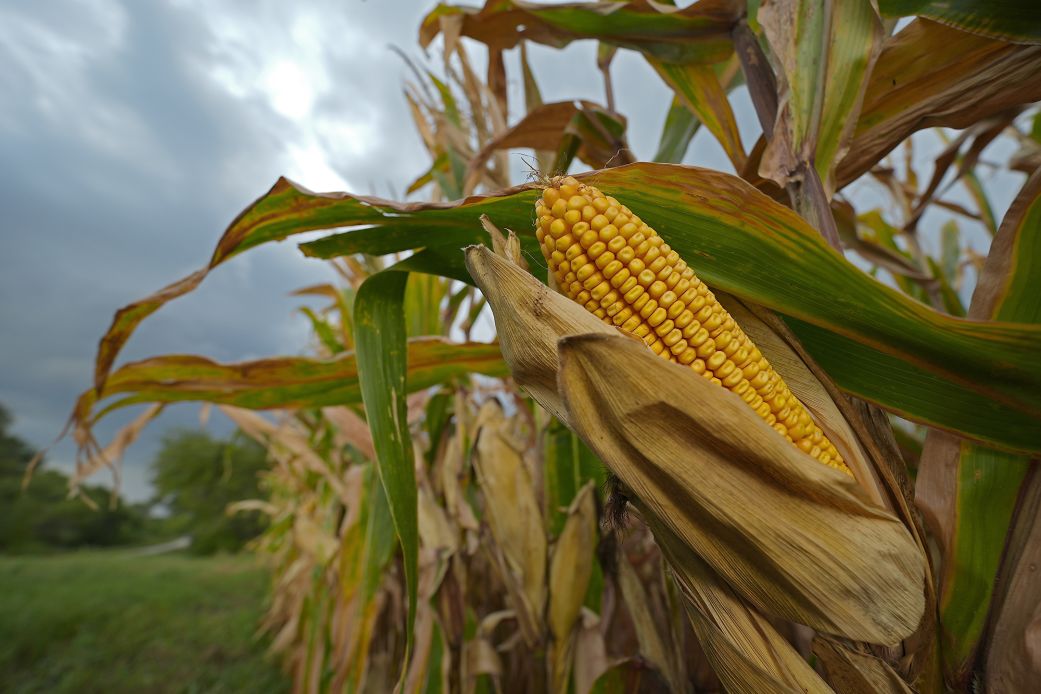
Kenya is preparing to source additional maize from the Common Market for Eastern and Southern Africa (Comesa) region as dry weather threatens to cut domestic production, Agriculture Cabinet Secretary (CS) Mutahi Kagwe has said.
Speaking on August 13, 2026, during a visit to Trans Nzoia County, Kagwe said the government was already putting measures in place to stop the expected decline in harvests from developing into a food crisis. He was assessing the effects of the dry conditions on maize farming and seed multiplication in the county.
The CS said the impact of the drought would be felt more heavily in Arid and Semi-Arid Lands (Asals), where prolonged dry spells have already affected crop production. Because of this, the government plans to supplement locally produced maize with imports from neighbouring Comesa countries to bridge the anticipated supply gap.
Kagwe also moved to reassure farmers over the availability of planting seed. Although the prevailing weather could destroy an estimated 25 to 30 per cent of the seed crop, he said the country would retain enough stocks for the next planting season.
The changing climate, according to the CS, has made it necessary for the government to adopt a more flexible approach to farming and livestock production.
He said information from the Kenya Meteorological Department (KMD) would remain critical in planning for extreme weather events, including prolonged drought and El Nino conditions.
YOU MAY WANT TO READ:
Kagwe added that the government is developing response plans for farmers and livestock keepers to help them cope with changing weather patterns. He said that food imports would remain necessary for commodities where domestic production does not meet demand, with wheat and rice among the products Kenya is expected to continue sourcing from outside the country.
Growing rice consumption, he noted, has been linked to an expanding population, urbanisation and changing food preferences, particularly among younger Kenyans.
There was better news on sugar production, with Mr Kagwe saying output had doubled. He said the increase could significantly reduce Kenya’s dependence on imported sugar and eventually eliminate the need for imports altogether.
The CS maintained that the government was prepared for the difficult agricultural season ahead and would continue reviewing its interventions according to weather developments. The aim, he said, was to protect food supplies while ensuring farmers have enough seed to resume production once conditions improve.
By Jonathan Mwinzi
Get more stories from our website: Sacco Review.
For comments and clarifications, write to: Saccoreview@
Kindly follow us via our social media pages on Facebook: Sacco Review Newspaper for timely updates
Stay ahead of the pack! Grab the latest Sacco Review newspaper!