
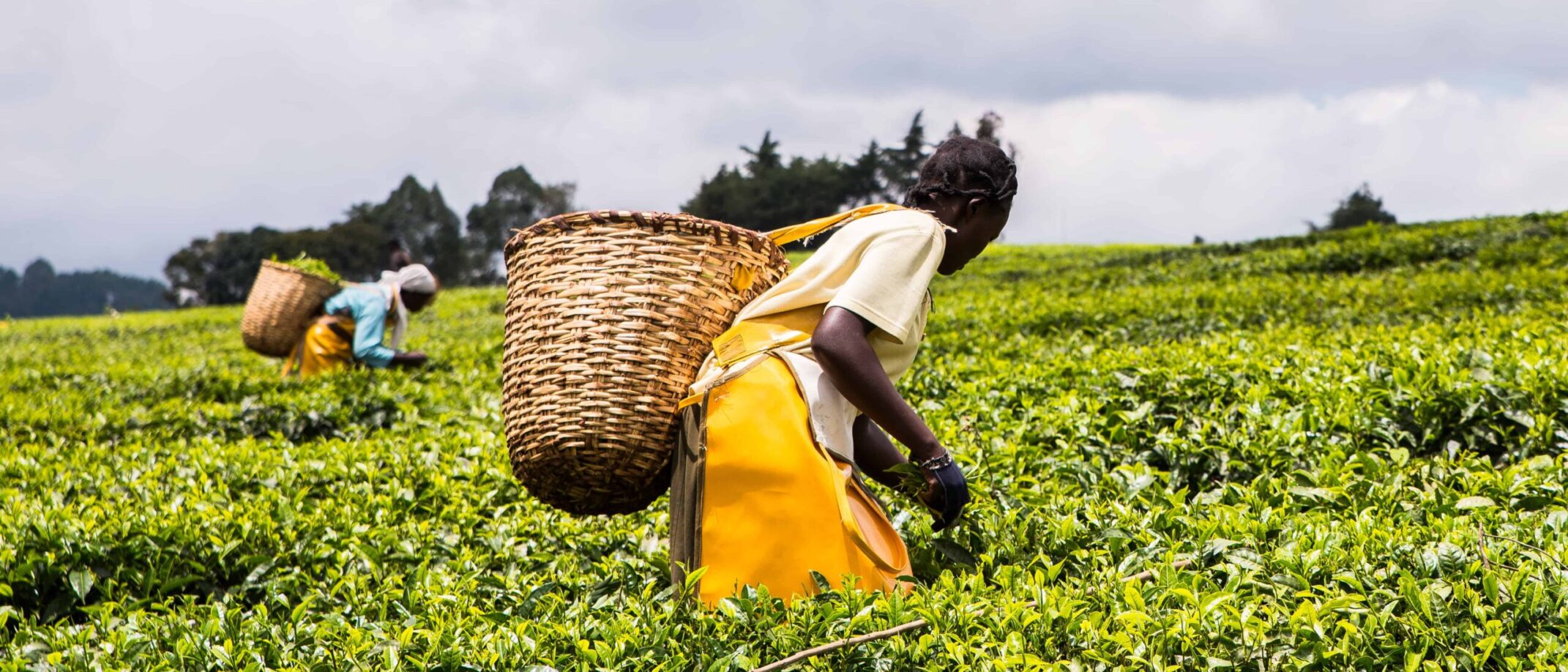
- Imenti tea farmers want Parliament to scrap the 0.8 per cent export levy, saying it is cutting into their earnings
- Farmers say the tea sector faces more than 40 taxes and levies that are raising production costs
- Growers are calling for government consultation and tax reforms to restore tea’s competitiveness and profitability
Tea farmers in Imenti have urged Parliament to repeal excessive taxes and levies on the tea sector, saying the charges are undermining their earnings.
The farmers have also called on President William Ruto’s administration to intervene and scrap what they termed punitive levies threatening the profitability of the industry.
The farmers, joined by tea factory managers and other stakeholders, singled out the 0.8 per cent tea export levy introduced three months ago and demanded its immediate removal.
Githongo Tea Factory board Chair Ernest Kimaita said the levy was among several charges that had increased the cost of tea production and reduced returns to farmers. Kimaita, a taxation and commercial lawyer, criticised Members of Parliament (MPs) for failing to adequately protect farmers from excessive taxation.
“The tea factories and farmers are against the export levy. But none of the MPs, even those from Meru, have offered to respond to the issue,” he said.
He said tea sales at the Mombasa auction had declined as a result of the new levy, leading to reduced incomes for growers and other players across the value chain.
READ ALSO:
Kimaita said the tea industry was already burdened by more than 40 taxes and levies associated with tea farming, at a time when farmers were facing rising production costs. He said the additional charges were affecting the competitiveness and profitability of the sector and called for a review of the taxation regime.
“The tea sector has about 44 taxes. We need to be fair to farmers and repeal some of the provisions set by MPs,” he said.
The charges include corporate tax, tea buyers’ licence fees, tea exporters’ licence fees, tea packers’ licence fees, county government produce and licence fees, fuel movement permits, branding and signage advertisement fees, and Kenya Ports Authority handling charges.
Farmers said the cumulative burden of the levies was making tea production increasingly expensive and reducing the benefits received from the crop.
Speaking during a meeting with farmers, representatives of Karangania Tea Factory said members were concerned about the impact of the export levy and other taxes on their incomes.
The stakeholders called for greater consultation between the government, tea factories and farmers before additional charges are introduced. They also urged the government to review existing taxes and consider measures that would lower production costs while improving the competitiveness of Kenyan tea in international markets.
By Jonathan Mwinzi
Get more stories from our website: Sacco Review.
For comments and clarifications, write to: Saccoreview@
Kindly follow us via our social media pages on Facebook: Sacco Review Newspaper for timely updates
Stay ahead of the pack! Grab the latest Sacco Review newspaper!