- Ksh13.5 billion groundwater project targets five drought hit counties with chronic water shortages
- New water infrastructure could support livestock, farming, schools and health facilities while creating local jobs
- Long term success will depend on sustainable groundwater use, maintenance and protection of the new infrastructure
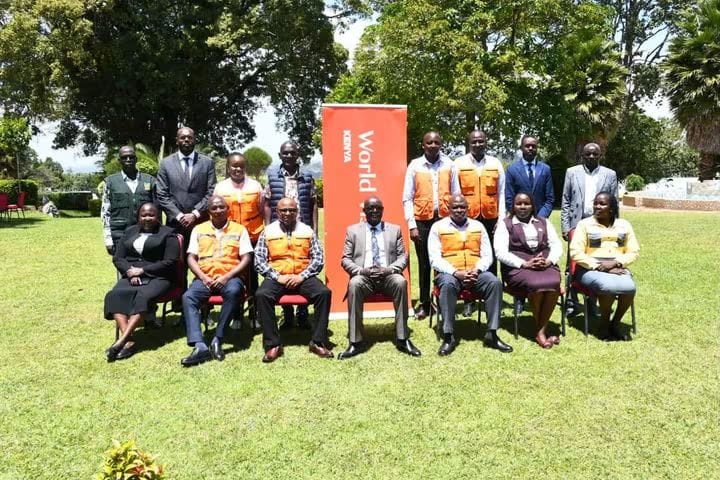
The World Bank and the national government have committed Ksh13.5 billion to a groundwater programme for five drought-prone counties.
The initiative targets Turkana, Marsabit, Wajir, Mandera and Garissa, all grappling with prolonged dry conditions that threaten households, livestock, food security and essential public services across Kenya’s arid and semi-arid lands (ASALs).
The programme is expected to support sustainable groundwater sources for households, livestock, schools, health facilities and other public institutions. This could reduce reliance on emergency water trucking during periods of severe drought.
For communities that depend heavily on pastoralism and small-scale agriculture, reliable water access could provide a critical buffer against increasingly unpredictable weather patterns.
In addition, the project is expected to stimulate local economic activity through borehole drilling, construction works, solar-powered pumping systems, pipeline installation and maintenance services, creating opportunities for local enterprises and skilled workers.
Drought conditions deepen in the north
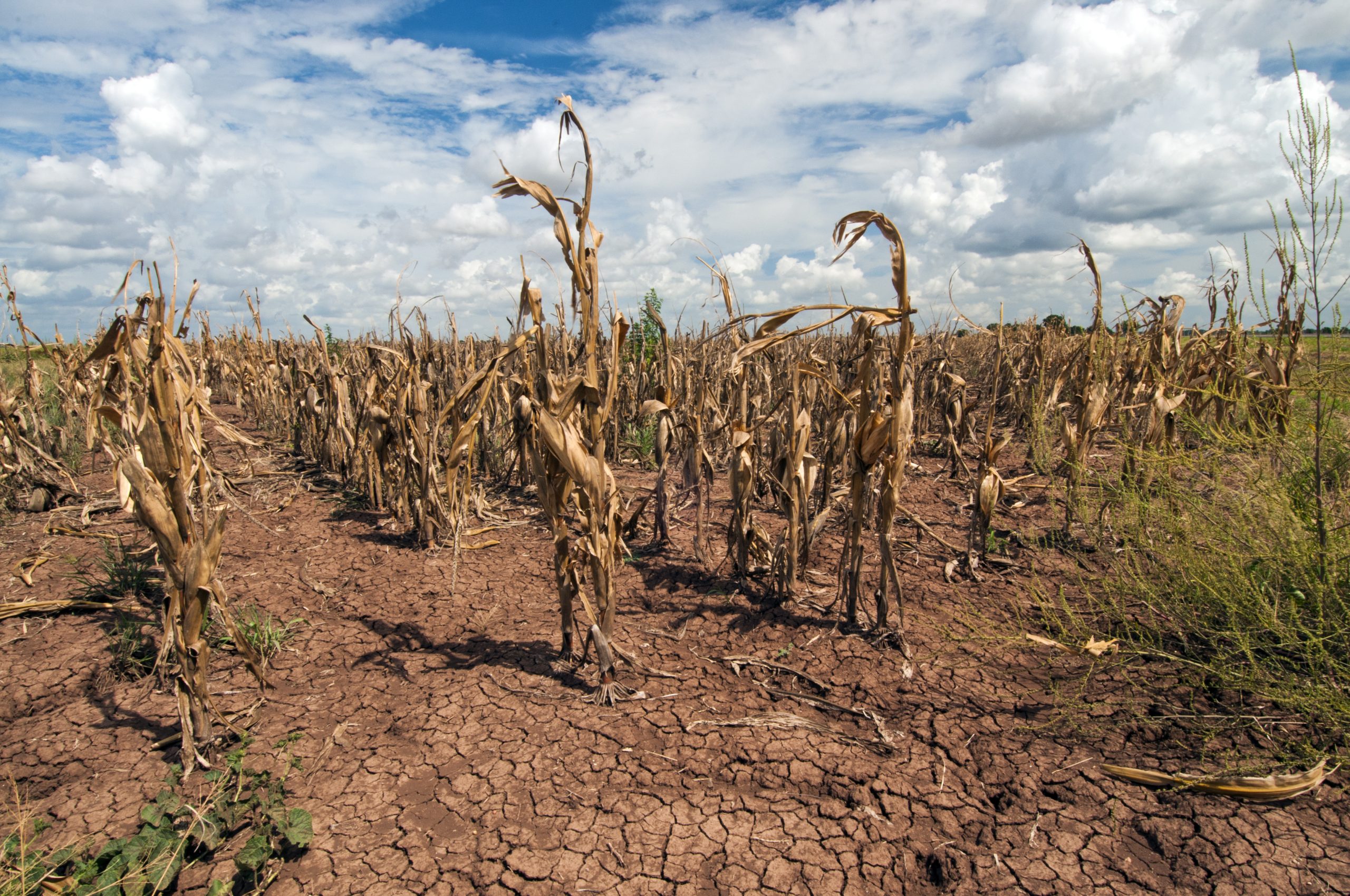
The intervention comes against a backdrop of worsening drought conditions in parts of northern and northeastern Kenya. The latest National Drought Management Authority (NDMA) assessment places Mandera and Wajir in the Alarm phase, while Turkana, Marsabit and Garissa are in the Alert phase.
READ ALSO:
Three consecutive below-average rainy seasons, recorded between October and December 2024, March and May 2025, and October and December 2025, have worsened the situation. As a result, water sources, pasture and other natural resources have had insufficient time to recover from the severe drought experienced between 2020 and 2023.
For pastoralist communities, the consequences have been particularly severe. Livestock body condition has deteriorated, milk production has declined, and households have been forced to sell animals to meet basic needs. In the worst-affected areas, livestock deaths have further eroded household assets and livelihoods.
Wider impact on food security and education
Beyond livestock, rising food prices, reduced household purchasing power and declining production have intensified food insecurity across the ASAL region. Because reduced milk availability increases exposure to malnutrition, children and other vulnerable groups face heightened risks.
Water scarcity also presents significant health and social challenges. As traditional water sources dry up, families must travel longer distances to access water, placing a disproportionate burden on women and children.
However, improved water infrastructure could deliver far-reaching benefits for education and public health. Reliable water supply in schools could strengthen sanitation and hygiene, support healthier learning environments and reduce disruptions caused when learners or their families must travel long distances in search of water.
For pastoralists, strategically located watering points could reduce livestock losses and help households sustain their herds during prolonged dry periods. Groundwater resources could also support irrigation, fodder production and small-scale farming, enabling communities to diversify their livelihoods.
Sustainability will be the real test
Even so, the success of the Ksh13.5 billion investment will depend on more than borehole drilling. Sustainable groundwater management will be essential to prevent over-extraction, particularly in areas where rainfall is increasingly erratic. Regular water quality monitoring will also be necessary to ensure the new sources remain safe for human and livestock consumption.
Maintenance will present another major challenge, because boreholes, solar pumping systems, pipelines and storage facilities can become non-functional without adequate arrangements for repairs, spare parts and technical support.
YOU MAY HAVE MISSED:
Security of infrastructure will also require attention, especially in remote areas where equipment may be vulnerable to vandalism and other operational risks.
Therefore, reliable financing and close coordination between the national government, county administrations, communities, development partners and water sector institutions will be critical to ensuring long-term functionality beyond the construction phase.
A shift from emergency response to resilience
The broader significance of the programme lies in its potential to reshape Kenya’s approach to drought management. For years, drought response in ASAL regions has relied heavily on emergency measures such as water trucking and relief assistance. While such interventions remain necessary during crises, they do not address the underlying vulnerability of communities repeatedly exposed to prolonged dry spells.
Instead, investing in groundwater infrastructure offers an opportunity to strengthen resilience before drought conditions escalate into emergencies. If effectively implemented and sustainably managed, the World Bank-backed programme could provide millions of residents in Turkana, Marsabit, Wajir, Mandera and Garissa with more reliable water access while safeguarding livestock, supporting agriculture and strengthening essential public services.
For communities living in Kenya’s drylands, the true measure of success will not simply be the number of boreholes drilled or kilometres of pipelines installed. It will be whether water remains available when the rains fail, and whether households are better equipped to protect their livestock, livelihoods, children’s education and overall wellbeing from the next climate shock.
By Hillary Muhalya
Get more stories from our website: Sacco Review.
For comments and clarifications, write to: Saccoreview@
Kindly follow us via our social media pages on Facebook: Sacco Review Newspaper for timely updates
Stay ahead of the pack! Grab the latest Sacco Review newspaper!