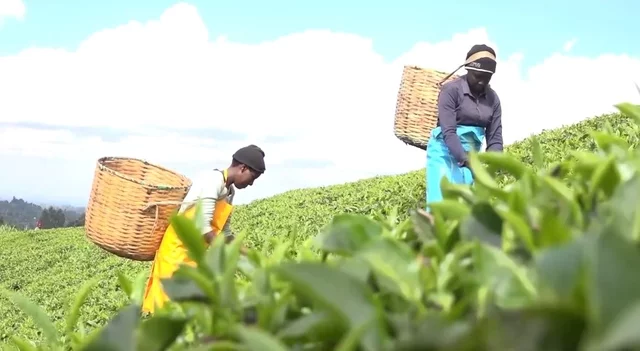

- More than 700,000 tea farmers are set to receive their annual bonus alongside September earnings.
- Individual factories will determine their own second-payment rates under a new approach to bonus declarations.
- Differences in tea prices, production costs and growing conditions continue to shape what farmers earn across regions.
More than 700,000 small-scale tea farmers are due to receive their annual bonus from the Kenya Tea Development Agency (KTDA), paid out together with their September monthly earnings.
KTDA Holdings chairperson Enos Njeru confirmed that the money was released on Friday. He said growers could start withdrawing it on Monday during normal banking hours.
This year, however, the process departs from past practice. Individual factories, rather than the KTDA board, will now declare their own bonus rates, which are also called second payments. As a result, the total amount that the 77 factories will pay out remains unknown. The factories have been merged into 54 units, including satellite factories that operate under mother factories.
Last year offers a useful comparison. In the 2024/25 season, farmers earned Ksh69.8 billion, about Ksh20 billion below the Ksh89.6 billion paid in 2023/24. Official figures for the current year are not yet out. Even so, rates are expected to fall between Ksh12.50 and Ksh50 for every kilogramme of green leaf, depending on the factory.
READ:
Such gaps stem largely from the prices that each factory’s tea fetches at the Mombasa Tea Auction and through direct sales to local and export buyers. Those prices, in turn, respond to rainfall, altitude, soil type and the quality of tea from a given area. Farm practices matter too. Weeding, fertiliser use, plucking and pruning all shape yields and quality.
Before setting a rate, factories must also account for what it costs to process and market the crop. Each factory weighs its operating expenses against what its processed tea earns. Electricity, firewood, fuel, water, leaf collection, equipment maintenance, staff wages and loan repayments among the costs considered.
The bonus is also tied to the financial year that closes on June 30. Movements in the shilling against the dollar over that period also affect auction prices and, ultimately, what farmers take home.
Differences between factories have long drawn questions. Many growers want to know how the payments are worked out and why farmers in some regions earn more than others. Tea growing areas are split into two zones, West of Rift and East of Rift.
By Benedict Aoya
Get more stories from our website: Sacco Review.
For comments and clarifications, write to: Saccoreview@
Kindly follow us via our social media pages on Facebook: Sacco Review Newspaper for timely updates
Stay ahead of the pack! Grab the latest Sacco Review newspaper!