- Migori farmers urged to join cooperatives to access grants.
- County to distribute over 2,000 palm seedlings.
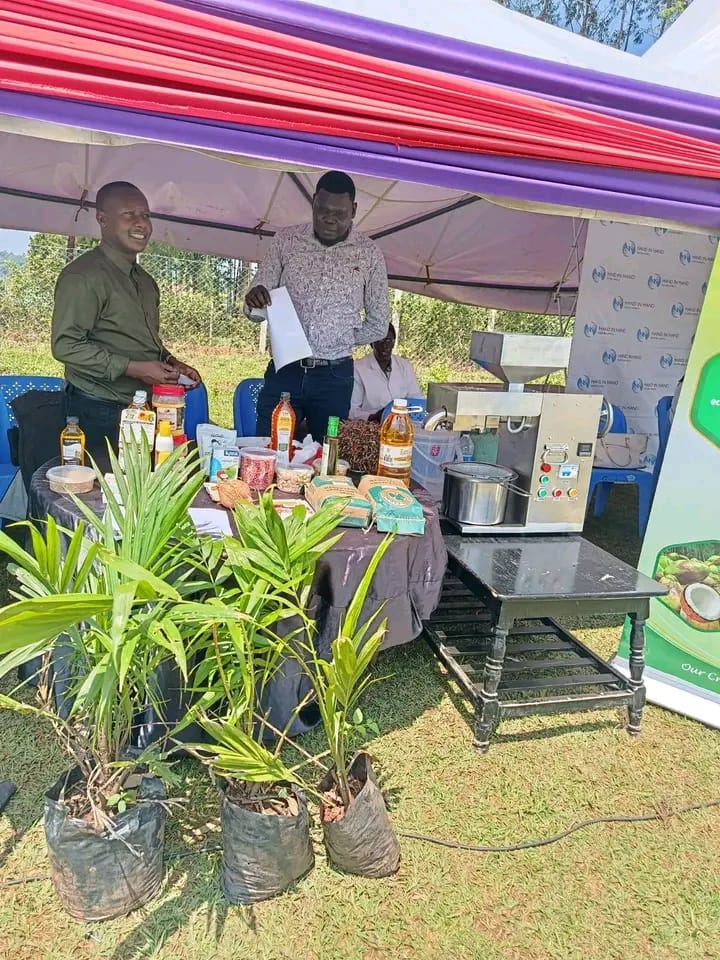
- Oil palm farming targets higher incomes and crop diversification.
Farmers in Migori County have been advised to form or join cooperatives and organised farmer groups in order to benefit fully from government grants and other financial organisations supporting their agricultural practices.
Migori County Governor Dr. Ochilo Ayacko said the county will equip farmers with more than 2,000 palm seedlings recommended for the region as part of a major initiative to diversify agriculture and reduce overdependency on sugarcane, tobacco and maize.
The seedlings are sourced through a multiagency partnership. The primary certified source for oil palm planting material in Western Kenya is the Kenya Agricultural and Livestock Research Organisation (KALRO) Alupe Centre in Busia County, which is the national research centre mandated to produce quality oil palm seedlings. KALRO Alupe currently holds over 3,000 mature seedlings ready for transplanting and has propagated 25,000 more for farmers in Busia, Migori and Homa Bay.
For the broader edible oil and tree programme, the county is working with Bidco Africa Ltd under the national edible oil crops value chain programme. Bidco Africa, which has successfully run palm oil farming in Kalangala, Uganda, is the identified private investor and offtaker that will establish a processing factory in the Lake Victoria region to buy palm fruits from Migori and Homa Bay farmers.
YOU MIGHT HAVE MISSED:
The county government has also partnered with the Tree Company, Treeco Fund under its People-Planet-Profit model, which is distributing 365 tree seedlings per farmer to 10,000 farmers in Migori, with 350 farmers in Nyatike already enrolled. The national government, through the Ministry of Agriculture and the National Edible Oil Crops Project, has set aside 25,000 acres in Homa Bay, 25,000 acres in Siaya and a larger area in Migori for seedling production targeting 100,000 acres in Nyanza.
Governor Ayacko emphasised that only organised cooperatives can easily access subsidised fertiliser, certified KALRO seeds, Bidco outgrower contracts and grants, citing success stories like the Smiling Widows Sacco in Suna East and the Ksh40 million empowerment programme that benefited over 400 groups across 40 wards.
His deputy, Dr. Joseph Mahiri, while speaking in Ntimaru town in Kuria East, commended the initiative saying it will boost food production in the region and enable farmers in Ntimaru and across Migori to get enough money to support the education of their children at different levels of learning, especially those in universities and other middle-level learning institutions.
Dr. Mahiri said many families in Kuria, including in Ntimaru, have been forced to sell land or pull children from college due to poor returns from traditional crops, and diversification into KALRO-certified palm, avocado and sunflower will provide a stable, year-round income for Ntimaru farmers.
By Enock Okongó
Get more stories from our website: Sacco Review.
For comments and clarifications, write to: Saccoreview@
Kindly follow us via our social media pages on Facebook: Sacco Review Newspaper for timely updates
Stay ahead of the pack! Grab the latest Sacco Review newspaper!