- Nandi farmers are turning to avocado after repeated maize losses.
- A tree-planting campaign targets two million trees across four sub-counties.
- Growers face a waiting period before avocado trees deliver reliable returns.
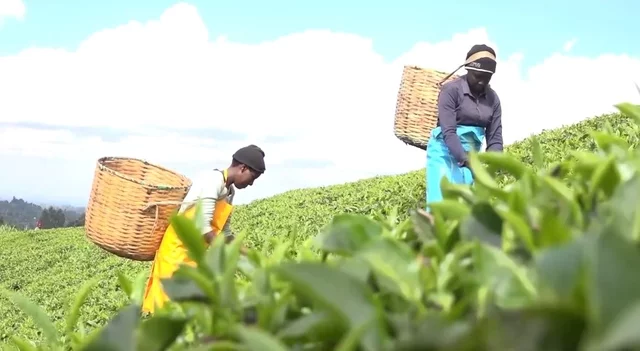
Maize fields across parts of Nandi County are giving way to young avocado orchards, as growers who have lost money season after season look for a safer source of income.
Farmers in Emgwen, Aldai, Nandi Hills and Tinderet sub-counties say the fruit crop costs less to establish and demands less work than maize. They also say its returns look more dependable, at a time when maize harvests have become hard to predict because of unreliable rainfall, expensive inputs and failed crops.
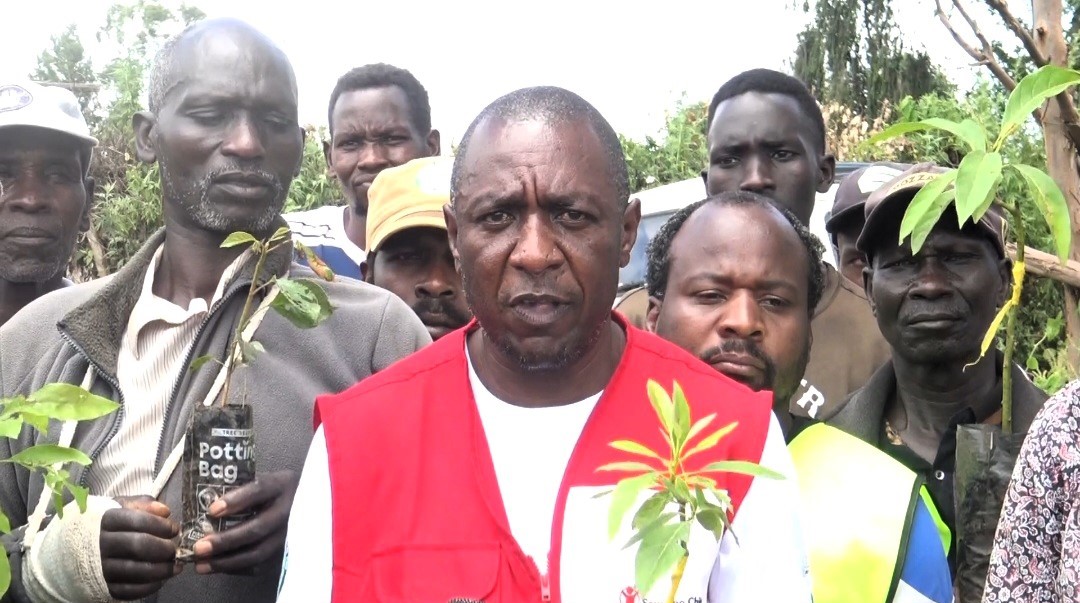
Behind the movement is a tree growing campaign driven by environmental activists Joel Malakwen and Allan Ondiek. Together, they are urging households to plant two million trees across the four sub-counties. Of these, 1.2 million would be indigenous species, while 800,000 would be avocado. For the current planting season, more than 175,000 avocado seedlings are ready to go into the ground.
Malakwen spoke in Kapsabet during a planting drive held to mark Mazingira Day. He revealed that 61 nurseries now support the effort, 40 of them raising indigenous trees and 21 producing avocado seedlings. The campaign is backing two varieties, Royal Hass and Fuerte, both of which have performed well locally. Royal Hass is the clear favourite, he explained, because it produces heavily and is rich in nutrients. In his view, the project should do more than raise household cash. It should also improve what families eat.
Ondiek said the campaign tackles two problems at once, namely damaged land and the lack of steady food and income in rural homes. Farmers, he added, should broaden what they grow while expanding tree cover and their access to fruit.
IN CASE YOU MISSED IT:
For many growers, the decision comes from hard experience. Hosea Koskey, who has already switched, said the small cost of starting out and the promise of good yields gave him fresh hope after years of poor maize returns. Eliud Kiplagat described neighbours who spent heavily on fertiliser only to bring in almost nothing, leaving them short of money. He and others now expect avocado to pay off within about two years.
Victor Yator pointed to two culprits behind falling maize output, shifting climate patterns and counterfeit seed sold in local markets. Diversifying, he argued, is the best way for farmers to protect themselves.
Even so, the change carries a real cost in time. Avocado trees take between two and three years to mature, so households must find a way to cope until the first reliable harvests arrive.
Officials have welcomed the push. Nandi County Director of Environment Dr. James Melly said it will help bring back lost tree cover while delivering income and better nutrition. He also believes it could ease clashes between farmers and wildlife.
Much of the county’s fruit bearing vegetation has disappeared, he observed, and that loss drives monkeys and birds onto farms in search of food. More fruit trees, he said, would give those animals something to eat and leave crops alone.
By our reporter
Get more stories from our website: Sacco Review.
For comments and clarifications, write to: Saccoreview@
Kindly follow us via our social media pages on Facebook: Sacco Review Newspaper for timely updates
Stay ahead of the pack! Grab the latest Sacco Review newspaper!