
- Draft regulations propose shifting coffee sector funding towards exporters and importers.
- The proposed levy could generate more than Ksh1 billion annually from coffee exports.
- Stakeholders face a balancing act between industry financing and potential costs to farmers and traders.
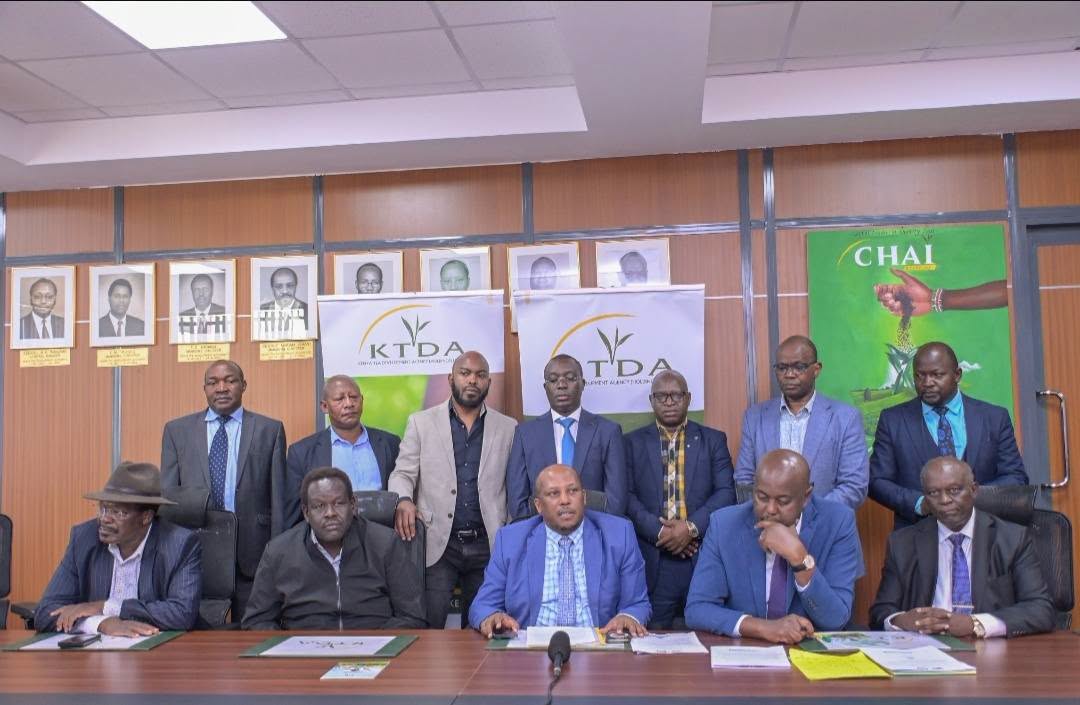
Kenya is considering a 2.5% levy on the value of coffee crossing its borders, a proposal that would move the industry’s funding away from deductions at the farm and onto exporters and importers. The charge appears in draft regulations that are still open to public comment, so nothing has been fixed yet.
The proposal comes from a draft regulatory impact assessment report prepared for the Coffee Board of Kenya and the Ministry of Agriculture and Livestock Development. It would give effect to Section 87 of the Coffee Act, 2026. Under the draft, the levy would apply to the Free on Board (FOB) value of coffee exports and the Cost, Insurance and Freight value of coffee imports.
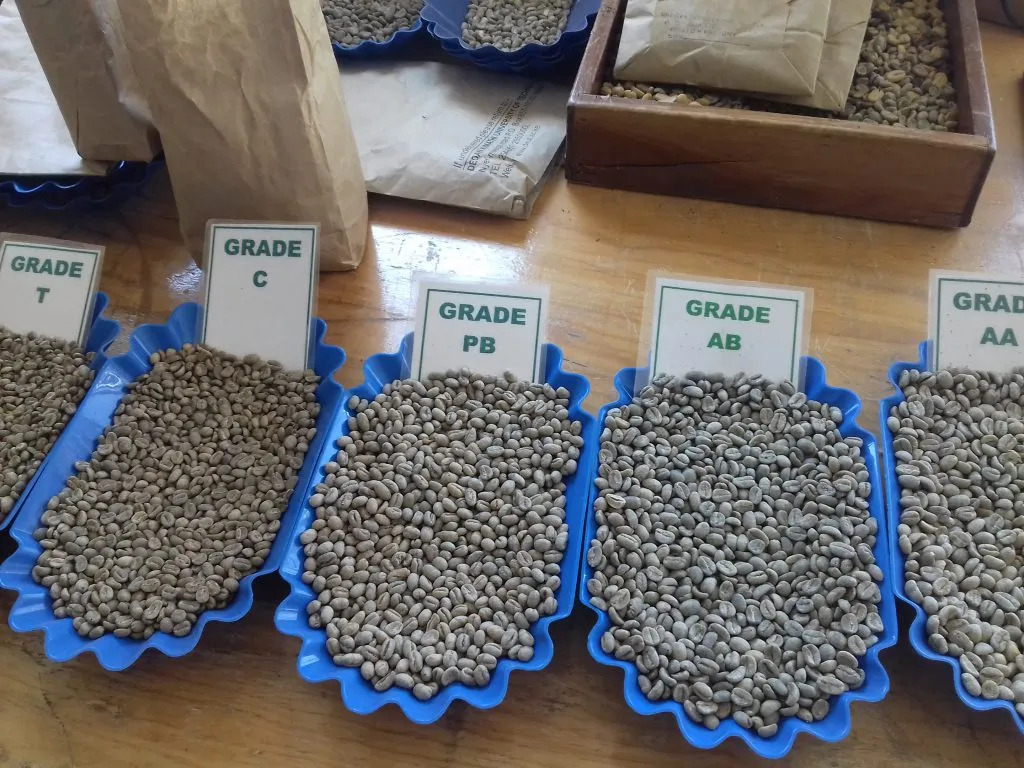
Coffee exports earned Ksh43.89 billion in the 2024/25 coffee year. At the proposed rate, that would yield roughly Ksh1.10 billion a year from exports alone. The figure is only indicative, since it leaves out imports, valuation rules, possible exemptions and how well traders comply.
Tied to Section 87(2), the proposed split would send 30% of proceeds to the Coffee Research and Training Institute and 25% to coffee growing counties as conditional grants. Another 20% would go into a price stabilisation fund run by the Coffee Board. The board would keep 15% for regulation and 10% for marketing and promotion.
Backers of the proposals say 55% of the money would reach production through research and county projects. They add that the remaining shares would support market access, traceability and compliance with rules such as the European Union Deforestation Regulation. Because the levy would be charged on trade value rather than deducted from grower sales, as under the 2002 growers’ levy order, they argue it could give the sector steady funding without cutting what farmers are paid upfront.
YOU MAY WANT TO READ:
Kenya mostly takes the prices set on world markets, and the assessment notes that exporters could pass some or all of the proposed levy back to growers through lower auction or direct sale prices. If they absorb it instead, Kenyan coffee could lose ground to origins that face no similar charge. Roasters, blenders and processors that depend on imported beans would face higher input costs. Coffee imported, blended and exported again could be charged twice, and the draft offers no relief.
Under the proposals, exporters and importers would pay through e-Citizen when they declare a consignment at the port of exit or entry. Payments would be matched through the National Coffee Information System, and unpaid amounts could be recovered summarily as a debt owed to the board. The consultants say paying before buyer proceeds arrive could affect the cash flow of smaller traders and those handling many consignments. They also see room for disputes over how goods are valued, which exchange rates apply, amended invoices and deals between related companies.
To tighten enforcement, the assessment suggests charging interest at prevailing Central Bank of Kenya rates on arrears older than 30 days. It also recommends making failure to pay an offence under Section 97 of the Act. To protect the right to a fair hearing, it proposes that aggrieved parties be allowed to challenge summary recovery before the dispute resolution committee under Section 92.
Public participation and county consultations are still to come, and the regulations must be finalised and gazetted before any levy takes effect. The proposals will therefore test how Kenya weighs steady funding for the sector against the costs facing farmers and traders.
By reporter
Get more stories from our website: Sacco Review.
For comments and clarifications, write to: Saccoreview@
Kindly follow us via our social media pages on Facebook: Sacco Review Newspaper for timely updates
Stay ahead of the pack! Grab the latest Sacco Review newspaper!