- Kakamega has confirmed anthrax infections in cattle in two sub-counties.
- Farmers have been urged to vaccinate livestock and avoid unnecessary animal movements.
- County authorities have stepped up surveillance and vaccination efforts to contain the outbreak.
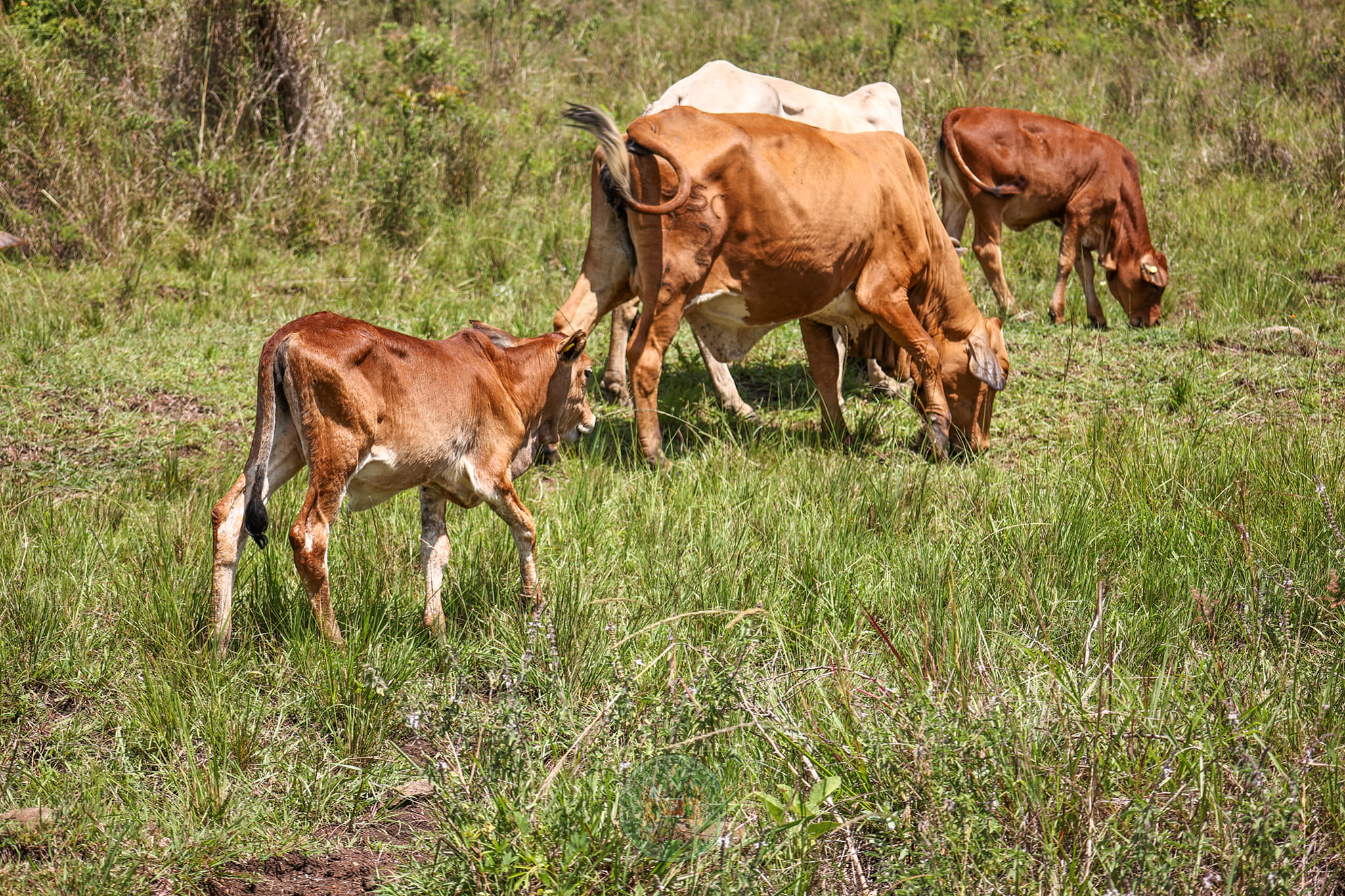
Anthrax has been confirmed in cattle in Kisa North ward of Khwisero Sub-county and Malinya area of Ikolomani Sub-county, Kakamega County.
County officials announced the cases in a public notice issued through the Ministry of Agriculture, Livestock, Fisheries and Cooperatives. It describes the outbreak as a public health risk and urges farmers to present their animals for vaccination.
Anthrax is a serious and often fatal infection. A spore forming bacterium called Bacillus anthracis causes it, and the germ survives in contaminated soil. Cattle, goats, sheep, camels, pigs, dogs, cats and people can all fall ill. Dogs, pigs and cats are more resistant than ruminants, according to the county.
Farmers are being told what to look for. Sudden death is the clearest warning. Animals that die this way may ooze blood from natural body openings, and the blood does not clot. Their carcasses also fail to stiffen. In milder cases, livestock may develop fever, swelling, breathing difficulty and stomach trouble.
People face danger too. Skin infection usually starts as a raised, itchy bump that looks like an insect bite and appears one to seven days after exposure. Within one to two days, it becomes a painless open sore with a black centre. Swelling around the sore, enlarged lymph nodes, fever, headache and muscle aches may follow.
READ ALSO:
Governors demand release of sh8.9 billion owed to counties for UHC staff
Breathing in the spores brings a different picture. Early symptoms resemble flu, including mild fever, fatigue, cough, shortness of breath and discomfort in the chest or throat. Then the illness can turn sharply worse. Patients may develop high fever, severe breathing difficulty, shock and fluid build up around the lungs, and some cough up blood.
Eating contaminated meat is a third route. In that case, the county says, victims suffer nausea, loss of appetite and vomiting. These symptoms can progress to severe abdominal pain and vomiting of blood.
The county stresses that the disease hits both livestock and household finances. It cuts production, kills animals and people, and imposes heavy treatment costs.
To contain the spread, the county has set out clear duties for farmers. They should bring animals for anthrax vaccination and avoid moving livestock unnecessarily. Healthy and sick animals must not mix. Farmers should not open carcasses of animals that die suddenly without earlier signs of illness. Instead, they should bury the dead animal below six feet, with the skin or hide left on. Anyone who suspects a case should report immediately to the nearest veterinary officer. In addition, farmers must disinfect footwear, equipment and vehicles that move between farms.
For its part, Kakamega has stepped up disease surveillance and community sensitisation, both in the affected areas and across the county. It has supplied vaccines to every ward and deployed veterinary officers to support vaccination and control efforts. Furthermore, it has started serological surveillance countywide so that officials can act wherever infections turn up.
By Benedict Aoya
Get more stories from our website: Sacco Review.
For comments and clarifications, write to: Saccoreview@
Kindly follow us via our social media pages on Facebook: Sacco Review Newspaper for timely updates
Stay ahead of the pack! Grab the latest Sacco Review newspaper!