- Integrated farming is offering small-scale farmers new ways to maximise limited land and resources.
- Busia farmers are demonstrating how improved poultry housing and biosecurity can reduce losses.
- Government efforts to diversify agriculture are opening new opportunities in poultry, fish farming and cocoa production.
The government is promoting an integrated farming model that could transform small-scale agriculture in Kenya. It enables farmers to produce poultry, fish and vegetables on the same piece of land while earning income from multiple agricultural activities.
The initiative, being implemented through the Lake Basin Development Authority (LBDA) and the Wezesha Agribusiness Programme, seeks to strengthen food security, create employment and improve farmers’ incomes through climate-smart practices.
Unlike conventional farming, where activities are undertaken independently, the integrated model connects different production systems. In doing so, it reduces waste, lowers operating costs and maximises the use of available resources.
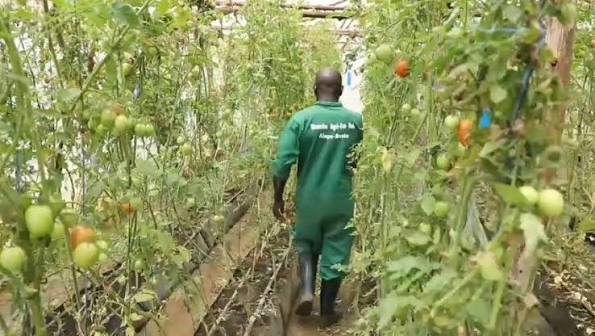
Under the approach, poultry manure enriches fish ponds with nutrients. Nutrient-rich water from the ponds is then recycled to irrigate vegetable gardens. This creates a production cycle in which waste from one farming activity becomes a valuable resource for another.
The model is particularly significant for small-scale farmers and young people who may not have access to large parcels of land or substantial investment capital.
In Busia County, farmers Miriam Ojakol and Rebecca Odalo are among those benefiting from improved agricultural practices through the programme.
Ojakol has adopted modern poultry housing to protect her chickens from diseases associated with uncontrolled movement and exposure to other animals. She explained that keeping poultry in properly constructed housing significantly reduces the risk of infections compared with letting chickens roam freely. According to her, free-ranging chickens are exposed to diseases transmitted by neighbouring poultry and other animals, which increases the possibility of losses.
Odalo, meanwhile, demonstrated how simple improvements in poultry infrastructure can protect farmers from preventable losses. She previously lost chickens after rats gained access to her poultry house. However, installing wire mesh and sealing openings eliminated the problem and enabled her to resume production.
Her experience highlights the importance of proper housing, biosecurity and practical agricultural training in improving the profitability of small-scale poultry enterprises.
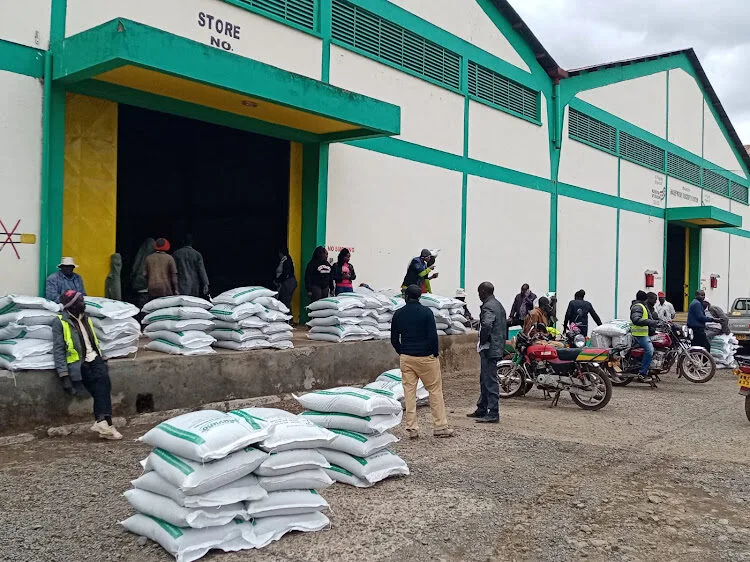
Through the Wezesha Agribusiness Programme, at least 5,000 young people have received training in climate-smart farming practices over the past two years. Beyond technical training, the programme is also working to improve young farmers’ access to financing and markets. These are two major challenges that often prevent promising agricultural enterprises from expanding.
The government has further established a poultry technology transfer centre in Kisumu, which produces approximately 300 trays of eggs daily for the local market. The facility is expected to support technology transfer, demonstrate improved poultry production methods and strengthen the supply of poultry products.
READ ALSO:
The integrated farming initiative comes amid broader government efforts to diversify agricultural production and identify new income-generating opportunities for farmers.
In October 2026, President William Ruto launched cocoa as a scheduled cash crop in Kenya. He encouraged farmers in areas identified as suitable for cultivation to embrace the crop as part of the country’s environmental conservation and agricultural diversification agenda.
During the launch in Endebess, Trans Nzoia County, on October 10, 2026, the President distributed cocoa seedlings to farmers. He urged communities to take advantage of the emerging agricultural opportunity.
He explained that cocoa farming would serve two purposes. It would support environmental conservation through tree planting, while also creating opportunities for farmers to earn income from the crop and its processed products.
Cocoa can be processed into chocolate, beverage mixes and various food products, creating opportunities for value addition, agro-processing and employment.
The President said the Kenya Agricultural and Livestock Research Organisation (KALRO) had undertaken research and developed seedlings. A partnership with the Kenya Plant Health Inspectorate Service (KEPHIS) would help increase the supply of planting materials.
The government’s focus on integrated farming, poultry production and cocoa cultivation reflects an increasingly important agricultural strategy. It encourages farmers to move beyond dependence on single crops or livestock enterprises.
For small-scale farmers, combining poultry, fish and vegetable production offers an opportunity to diversify income, reduce production risks and improve household food supplies.
By Hillary Muhalya
Get more stories from our website: Sacco Review.
For comments and clarifications, write to: Saccoreview@
Kindly follow us via our social media pages on Facebook: Sacco Review Newspaper for timely updates
Stay ahead of the pack! Grab the latest Sacco Review newspaper!