The government’s subsidised fertiliser programme has distributed nearly 1.26 million bags of farm inputs worth KSh3.09 billion through the National Cereals and Produce Board (NCPB) Bungoma Silo Complex since 2023, highlighting the growing uptake of the E-Voucher Inputs System among farmers in Western Kenya.
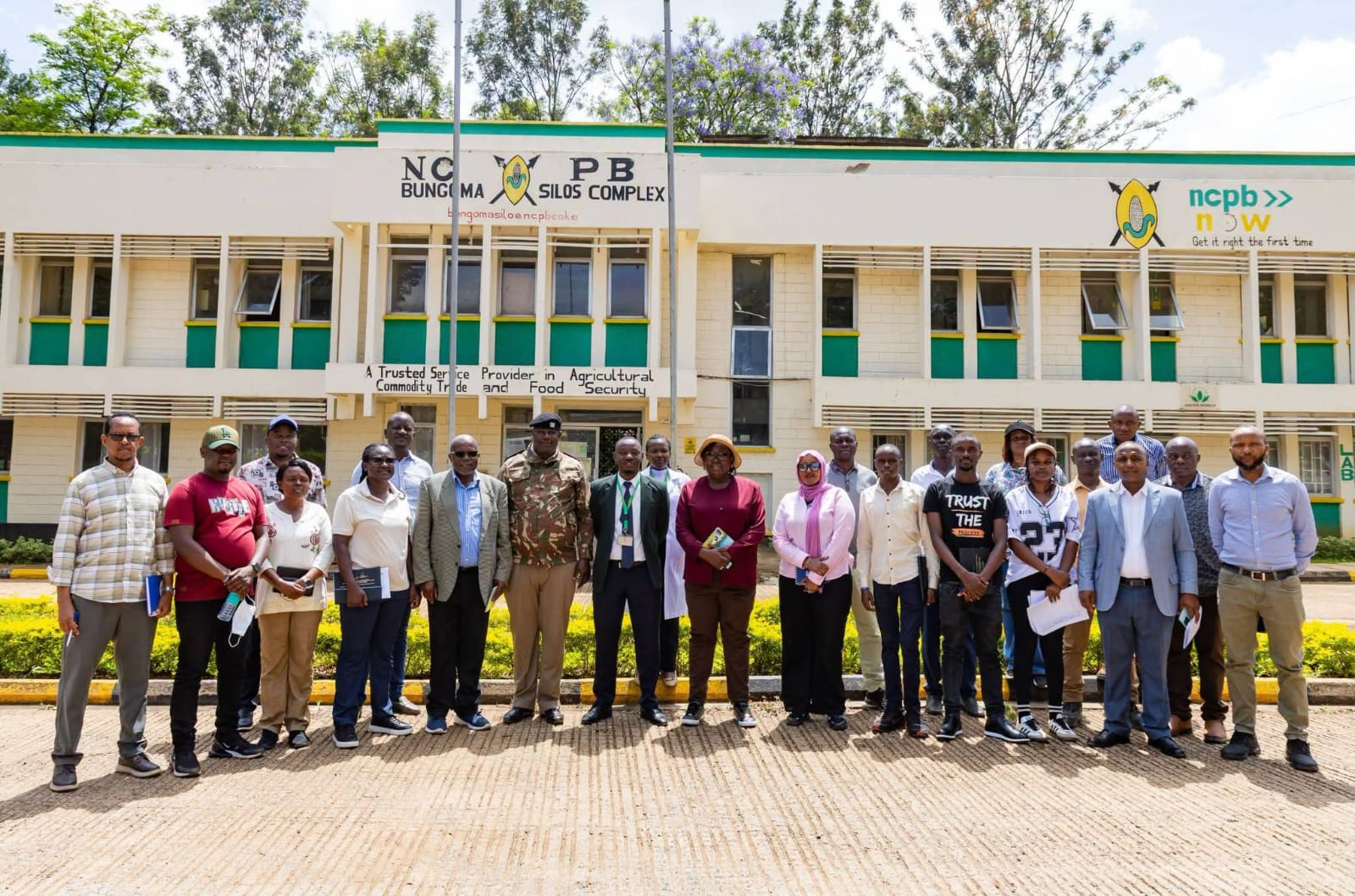
The figures were revealed during a multi-agency field verification visit to the facility led by State Department for National Government Coordination Legal Advisor Dan Ameyo, as the government assessed the programme’s implementation and its impact on farmers.
During the visit, the complex manager, Mr Mutua, briefed the team on fertiliser supply, voucher issuance and redemption, outlining how the digital system has improved farmers’ access to subsidised agricultural inputs.
The E-Voucher Inputs System targets two million farmers and seeks to lower the cost of agricultural production by making fertiliser more affordable and accessible.
ALSO READ:
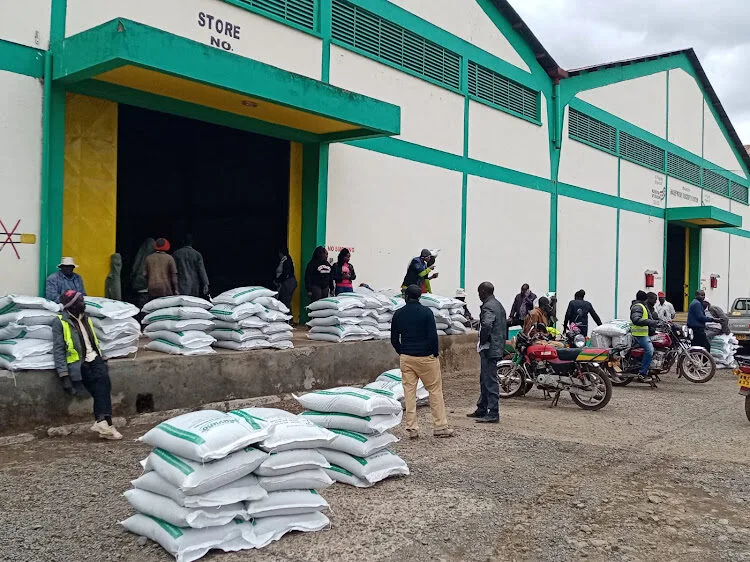
According to the depot’s sales records, the 1,257,982 bags sold since 2023 comprise planting fertiliser, top-dressing fertiliser and urea. The Bungoma facility serves farmers from Bungoma, Kakamega, Busia, Trans Nzoia and Vihiga counties.
Under the programme, farmers purchase a bag of fertiliser at KSh2,000, down from the previous price of KSh7,000, providing significant relief to households facing high agricultural production costs.
Beyond supporting farming activities, the initiative has also created economic opportunities for communities surrounding the depot. During peak distribution seasons, more than 1,500 boda-boda operators earn daily income transporting fertiliser, while over 100 casual workers secure employment. Food vendors around the facility have equally benefited from increased business.
To strengthen information sharing, the depot provides weekly programme updates through WhatsApp groups reaching more than 500 stakeholders.
However, the verification exercise exposed several challenges that could affect the programme’s efficiency, including delays in fertiliser deliveries and voucher issuance, as well as discrepancies between farmers’ registered acreage and the actual size of land under cultivation.
ALSO READ:
The team called for closer engagement with the Ministry of Agriculture and Livestock Development to address the challenges, particularly by improving the timing of fertiliser deliveries and voucher issuance.
It also emphasised the need to verify farmers’ actual acreage to ensure fertiliser allocations correspond with the land under cultivation.
The findings are expected to inform further improvements in the programme’s implementation, with emphasis on timely distribution, accurate beneficiary records and accountability in the management of subsidised farm inputs.
By Lizzy Aluga
Get more stories from our website: Sacco Review.
For comments and clarifications, write to: Saccoreview@
Kindly follow us via our social media pages on Facebook: Sacco Review Newspaper for timely updates
Stay ahead of the pack! Grab the latest Sacco Review newspaper!