The government has with immediate effect banned the importation of milk powder from neighbouring countries in a bid to protect the local dairy industry and farmers from unfavourable market competition.
This decision follows a rise in Kenya’s milk production, which has made the country the second-largest milk producer in Africa after Egypt.
The government says the move will help boost local farmers’ earnings and enhance domestic production with the national milk demand standing at eight billion litres annually.
The dairy industry in the country contributes upto four percent to the national Gross Domestic Product and supports more than 700,000 jobs directly.
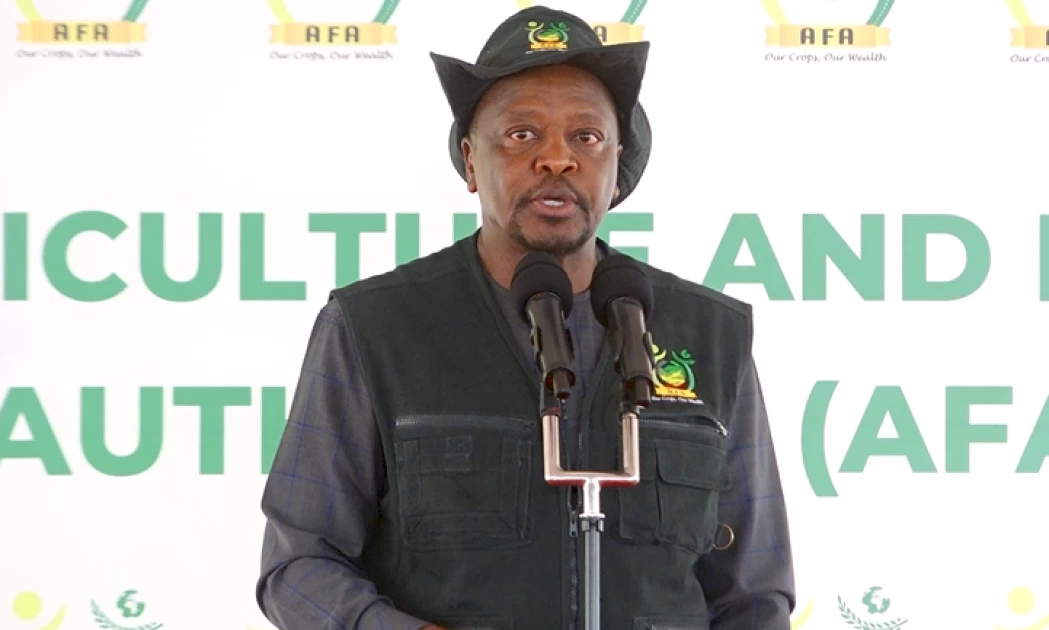
According to Agriculture and Livestock Development Cabinet Secretary, Mutahi Kagwe, the ban aims to shield local producers from unfair competition while ensuring that local demand is met as population increases.
Kagwe also issued a stern warning to unscrupulous traders who have been exploiting loopholes to import milk powder, saying their actions were undermining local producers.
ALSO READ:
Women trade unionists urged to push for end of child-labour in Kenya’s tea, coffee sectors
At the same time, the CS announced that the government has stopped street hawking of milk to address growing health concerns over unregulated milk products being sold openly.
Speaking in Naivasha during the graduation ceremony of the Dairy Training Institute, Kagwe said the government is formulating new regulations to streamline the sector and cushion farmers from losses.
To tackle the high cost of production, Kagwe noted that the government is enhancing local production of livestock feeds that meet both protein and energy requirements.
He added that plans are underway to waive taxes on animal feeds to further reduce production costs for farmers as the demand for milk products continues to rise.
He further revealed that the government is also working to increase local production of wheat, rice, and cooking oil in order to reduce the country’s food import bill, which currently stands at Ksh500 billion annually.
By Our Reporter
Get more stories from our website: Sacco Review.
For comments and clarifications, write to: Saccoreview@
Kindly follow us via our social media pages on Facebook: Sacco Review Newspaper for timely updates
Stay ahead of the pack! Grab the latest Sacco Review newspaper!