Hustler Fund is grappling with a severe liquidity crisis that has left thousands of borrowers unable to access credit, raising fresh questions about the sustainability of the government’s financial inclusion programme.
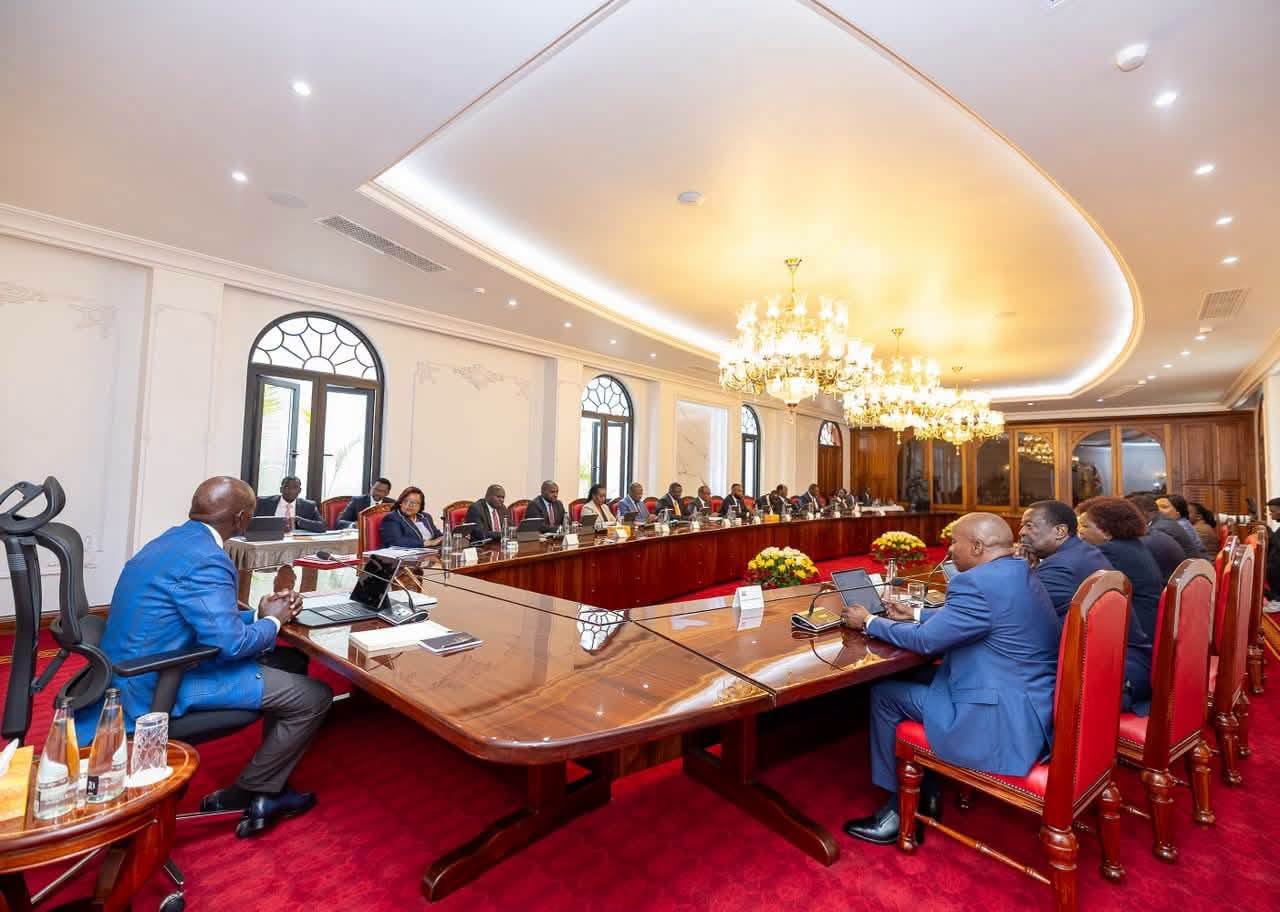
Appearing before the Parliamentary Committee on Trade, Industry and Investment, officials from the State Department for MSMEs disclosed that the fund requires an immediate KSh5 billion injection to restore liquidity and reopen lending to opted‑in clients, particularly those seeking bridge loans.
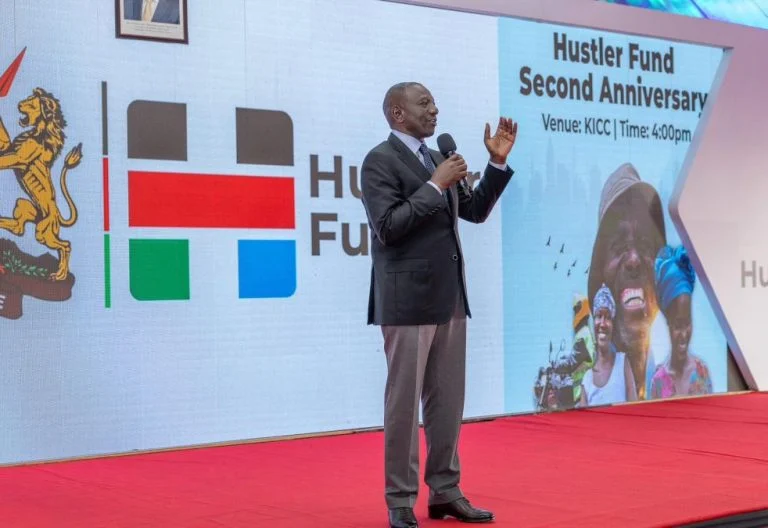
Initially unveiled as a revolutionary tool to provide affordable credit to informal sector workers, the fund was designed as a revolving facility supported by seed capital from the Exchequer. However, allocations have steadily declined: from KSh20 billion in the launch year, KSh5 billion in 2023/24, KSh2 billion in 2024/25, KSh300 million in the current year, and zero shillings proposed for 2026/27.
By June 2025, only KSh14.8 billion had been released against the original KSh50 billion pledge.
Treasury officials maintain the fund was intended to sustain itself through repayments, but lawmakers have questioned the model, noting that repeated reliance on fresh budgetary injections undermines its self‑sustaining intent.
Legislators expressed concern that continued dependence on the Exchequer could erode confidence in the programme and weaken its long‑term viability.
ALSO READ:
Oparanya decries persistent underfunding, says ministry struggling to deliver mandate
The liquidity crunch has left many borrowers locked out despite meeting eligibility requirements, compounding pressures from high living costs, elevated fuel prices and heavy taxation that have strained repayment capacities for small businesses.
At the same time, MPs pushed for intensified financial literacy programmes before any further expansion of MSME funds.
Lawmakers warned that without proper education, beneficiaries risk mismanaging loans, perpetuating dependency rather than fostering genuine entrepreneurship.
Since its launch in late 2022, the fund has disbursed KSh14.4 billion to millions of small‑scale entrepreneurs, but dwindling allocations have now stalled operations.
By Masaki Enock
Get more stories from our website: Sacco Review.
For comments and clarifications, write to: Saccoreview@
Kindly follow us via our social media pages on Facebook: Sacco Review Newspaper for timely updates
Stay ahead of the pack! Grab the latest Sacco Review newspaper!