- Kakamega farmers are exploring new ways to boost incomes as traditional crop production faces growing challenges.
- Indigenous vegetables and zero-grazing dairy are emerging as viable options for smallholder farmers.
- RODI Kenya is extending sustainable farming skills to correctional institutions to support inmates’ reintegration.
Smallholder farmers in western Kenya are increasingly embracing indigenous vegetables, integrated farming and zero-grazing dairy production as they seek to improve household incomes, strengthen food security and adapt to the growing effects of climate change.
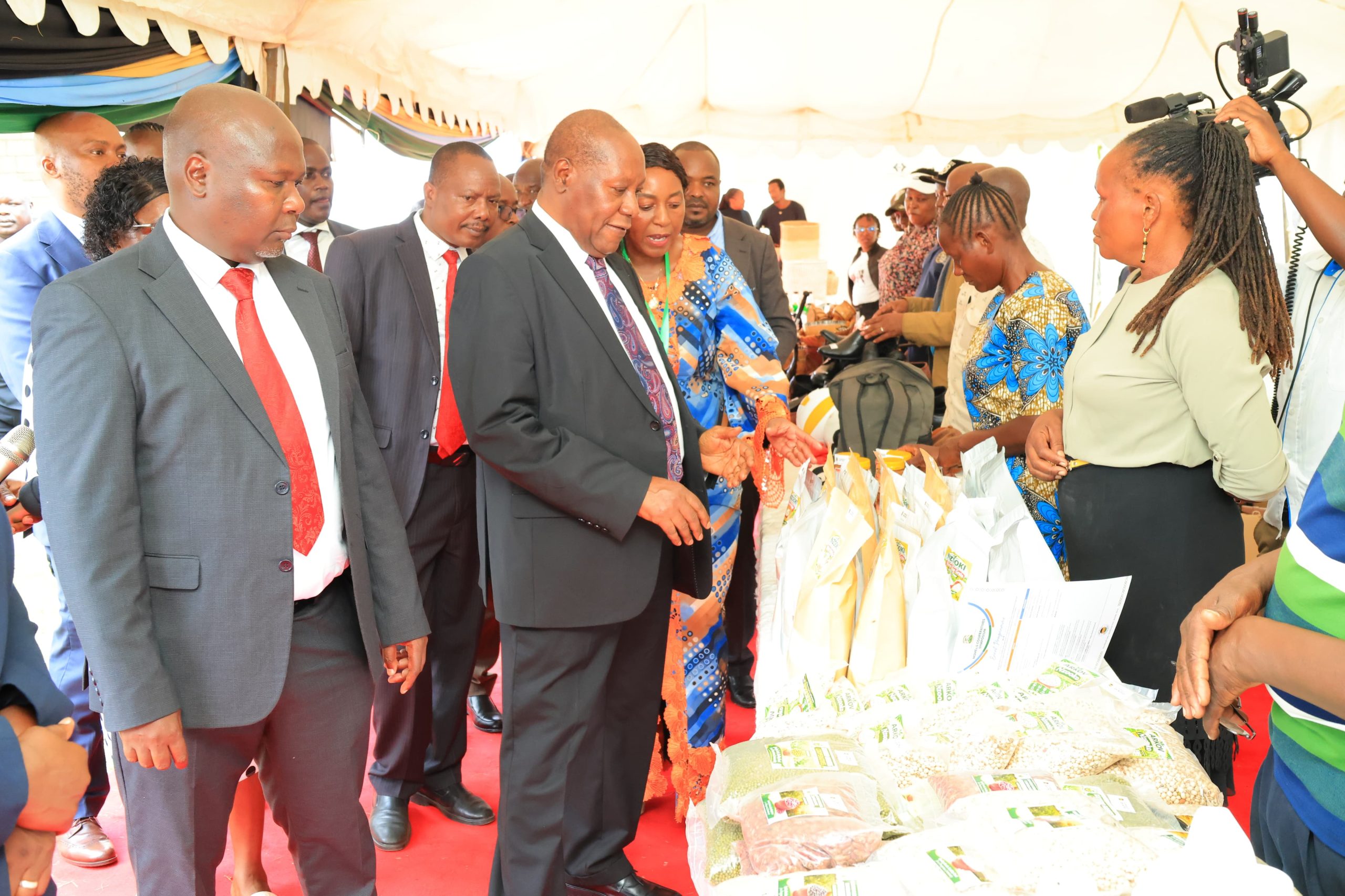
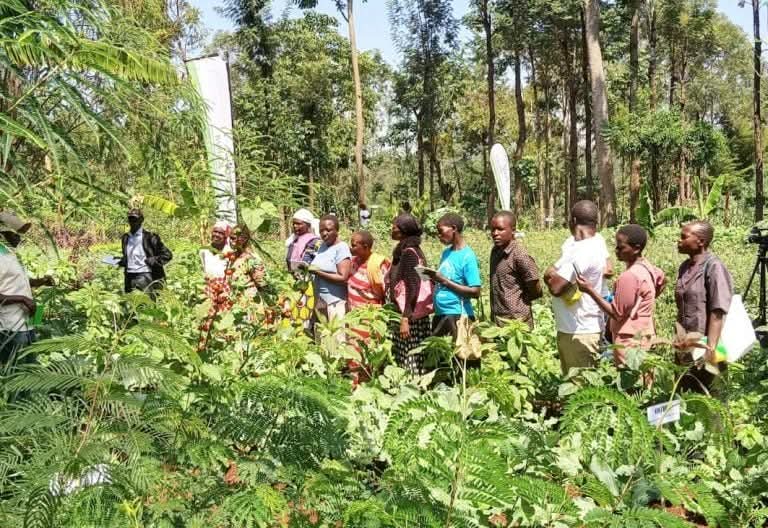
The approach was showcased on Friday during a Farmers’ Field Day held in Ematule Village, Kakamega County, where farmers demonstrated how limited pieces of land can be transformed into productive agricultural enterprises.
The event, organised by Resources Oriented Development Initiatives (RODI Kenya) in partnership with the Masaba Central Self Help Group, brought together farmers, agricultural stakeholders and correctional services officials to explore practical and sustainable farming techniques.
Farmers in the region have increasingly faced unpredictable rainfall, declining soil fertility and rising production costs, undermining returns from traditional cash crops such as sugarcane and maize.
Moses Kidi, Executive Director of RODI Kenya, challenged farmers to rethink agriculture as more than a means of producing food for household consumption, urging them to embrace farming as a viable business capable of generating employment and improving livelihoods.
He said production should contribute to household incomes, better nutrition and economic empowerment, particularly among women and young people.
One highlight was a demonstration at the homestead of farmer Boaz Wang’uche, where participants were introduced to compact zero-grazing dairy units and the cultivation of indigenous vegetables, particularly black nightshade, commonly known as managu.
The integrated model enables households to combine livestock production with vegetable cultivation despite having limited land.
Wang’uche explained that livestock manure could be recycled to improve soil fertility, while crop residues could be used as supplementary animal feed, creating a system in which farm resources are put to maximum use.
READ:
According to him, combining dairy farming with indigenous vegetable production helps minimise wastage, reduce production expenses and create additional income opportunities.
Interest in indigenous vegetables is also being driven by their nutritional value, suitability to local growing conditions and increasing demand in urban markets.
Malachi Khadiva observed that combining livestock production with traditional crops could significantly improve household earnings, especially for farmers operating on limited land.
Alice Wepukhulu said the training had helped participants appreciate the commercial potential of indigenous crops that many households have traditionally grown mainly for domestic consumption.
Beyond supporting smallholder farmers, RODI Kenya is promoting agricultural training, agroecology and seed multiplication within correctional institutions.
The initiative seeks to equip inmates with practical knowledge and skills in crop production and livestock management that can support their reintegration into society after serving their sentences.
A representative of the regional correctional services said such training could give former inmates opportunities to become economically independent and productive members of their communities.
Its implementation receives support from European development partners, including Germany-based Brot für die Welt and GLS Zukunftsstiftung Entwicklung.
Despite the potential, farmers continue to face challenges related to market access, storage facilities and post-harvest management.
Stakeholders caution that increased production must be accompanied by reliable markets, appropriate storage infrastructure and organised marketing arrangements to prevent oversupply and declining farm-gate prices.
Limited access to cold storage and structured supply agreements can expose farmers to losses, particularly when perishable vegetables reach markets without guaranteed buyers.
Kidi encouraged farmers to strengthen collective marketing through groups such as the Masaba Central Self Help Group, noting that cooperation could improve their bargaining power and help them negotiate better prices.
He urged them to translate the knowledge gained into practical changes on their farms and not to treat the gathering as merely an opportunity to take photographs but as a platform for acquiring skills, building partnerships and adopting sustainable practices.
By Hillary Muhalya
Get more stories from our website: Sacco Review.
For comments and clarifications, write to: Saccoreview@
Kindly follow us via our social media pages on Facebook: Sacco Review Newspaper for timely updates
Stay ahead of the pack! Grab the latest Sacco Review newspaper!