
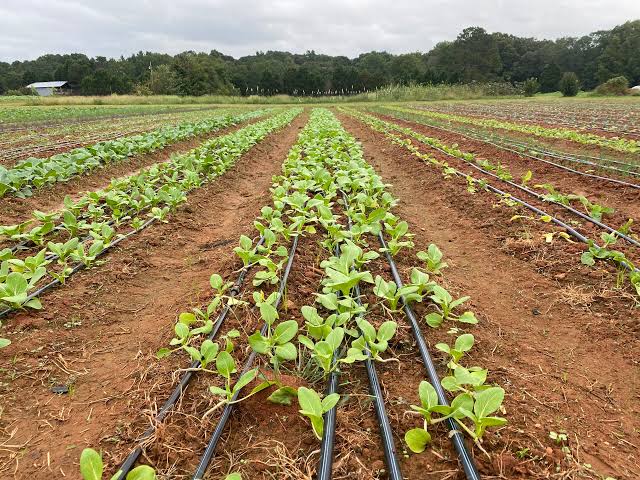
- Laikipia is adopting an agroecology policy to promote organic farming and reduce hazardous pesticide use.
- The policy will support sustainable agriculture, climate resilience, and conservation of indigenous seeds.
- Farmers say it will improve health, protect the environment, and reduce reliance on harmful chemicals.
Laikipia farmers have initiated domestication of an agroecology policy and Bill by the county government this year, aimed at promoting organic agriculture that discourages the use of hazardous pesticides.
The agroecology policy is expected to be enacted next month after receiving validation from stakeholders following months of public consultations and engagement.
Biovision Africa Trust officer Amos Meme said Laikipia joins Murang’a, Kiambu, Kirinyaga, Busia, Vihiga and Makueni counties in either adopting or developing similar legislation to align with the national policy on agroecology and strengthen food security.
“We advocate farming that promotes less use of chemicals while at the same time taking care of our environment, and we are in Laikipia to support the agroecology policy that we feel will go a long way in developing agrifood systems,” Meme said.
He revealed that the initiative is being spearheaded in partnership with organisations including the Biodiversity and Biosafety Association of Kenya (BIBA), Farm Africa and Hivos to promote organic farming and advocate for reduced use of hazardous pesticides.
READ ALSO:
Once enacted, the policy will require Laikipia County to allocate resources towards agroecology, organic farming, climate-smart agriculture and the conservation of drought-tolerant indigenous seeds and livestock breeds.
Meme said the policy would provide a clear framework for sustainable production, processing and consumption while promoting environmentally friendly farming practices.
Farmers welcomed the initiative, saying excessive use of agrochemicals has contributed to rising cases of cancer, degraded soil quality and polluted the environment, underscoring the need for safer and more sustainable agricultural methods.
The development comes amid growing concern about the adverse effects on human health arising from the misuse of toxic chemicals, some of which are illegal in developed countries.
Research by the University of Nairobi (UoN) and the Kenya Organic Agriculture Network (KOAN) has shown that a large majority of vegetables sold and consumed in Nairobi and Nakuru contain pesticide residues, with about a third of samples exceeding EU safety limits.
By Bernard Magada
Get more stories from our website: Sacco Review.
For comments and clarifications, write to: Saccoreview@
Kindly follow us via our social media pages on Facebook: Sacco Review Newspaper for timely updates
Stay ahead of the pack! Grab the latest Sacco Review newspaper!