- New US sanctions on Iran could disrupt Kenya’s tea trade.
- Shipping disruptions have already left millions of kilos of tea stranded.
- Exporters face mounting losses as a key Middle East market comes under pressure.
Kenya’s trade ties with Iran are facing fresh strain after Washington widened its sanctions regime against Tehran, a shift that leaves the country’s tea exporters exposed to the greatest fallout.
Tighter financial rules now threaten how payments are settled, how cargo is shipped and how easily Kenyan traders can reach one of their key Middle Eastern outlets.
On August 24, the US government rolled out new measures raising the odds that foreign firms still dealing with Iran could be hit with secondary sanctions.
Consequently, banks, shipping firms and traders in countries such as Kenya are expected to grow warier of handling anything linked to Iran.
The Treasury Department has branded the initiative “Operation Economic Outcast,” describing it as a push to sever Iran’s ties to global financial and trade systems. Treasury Secretary Scott Bessent framed the campaign as targeting the economic pillars that sustain Iran, cautioning that any country or company found assisting transactions with Tehran risks facing repercussions.
The sanctions touch five areas of Iran’s economy: digital assets, technology, gold, aviation and shipping, with over 60 entities, individuals and vessels named so far.
Tea sector already under strain
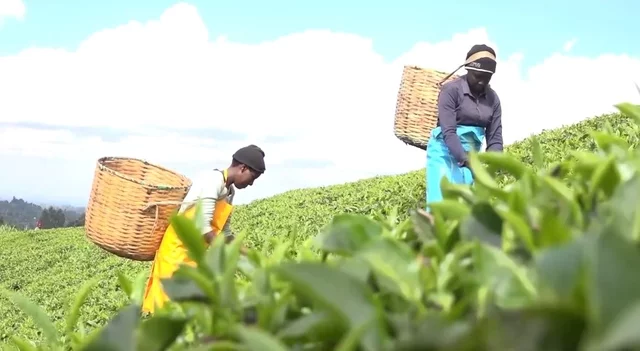
For Kenya, tea stands to be hit hardest, an industry already reeling from shipping setbacks tied to the broader Middle East conflict.
Tea shipments to Iran had already dropped by 40.7 per cent in the first quarter of 2026 as regional tensions disrupted trade routes.
READ:
Cosmopolitan DT Sacco bids farewell to John Ngari after 36 years
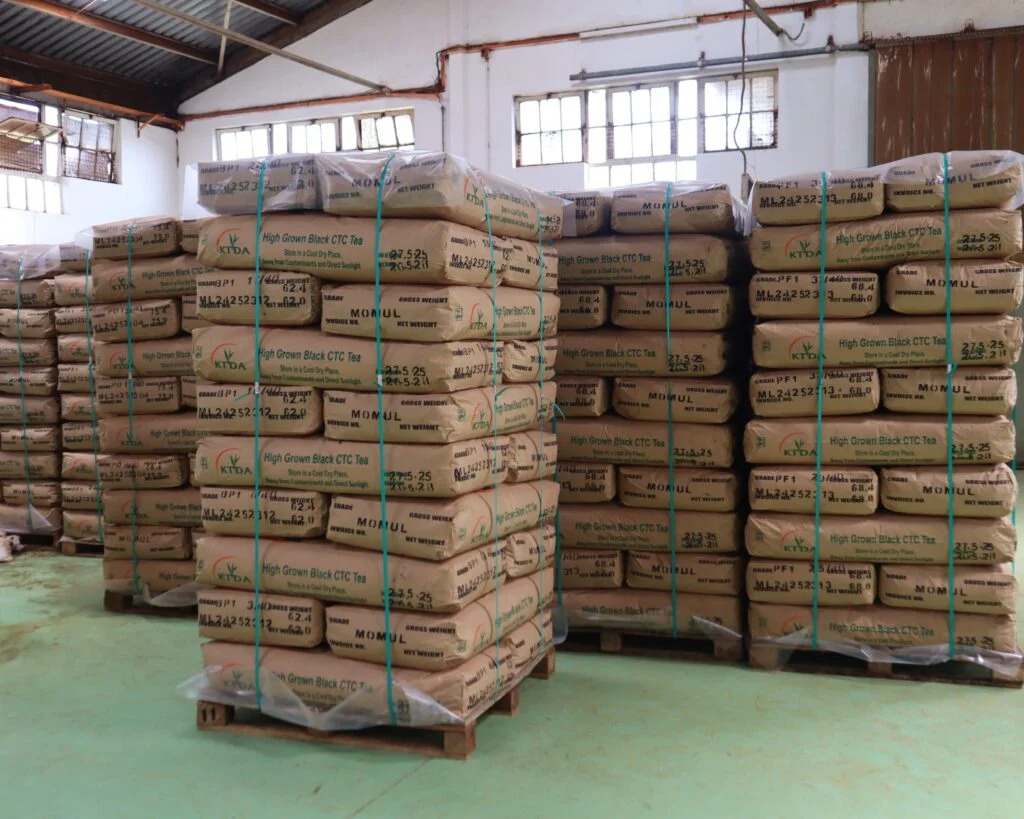
Conditions worsened further in March, when major shipping lines began avoiding high-risk chokepoints in the region. As a result, roughly eight million kilogrammes of Kenyan tea piled up in Mombasa warehouses, with exporters unable to move it to Middle Eastern buyers.
According to George Omuga, managing director of the East Africa Tea Traders Association, which runs the Mombasa Tea Auction, the sector has already lost an estimated $8 million (Ksh1.01 billion) as a result.
Kenya typically earns up to $43.7 million (Ksh5.5 billion) a year from tea sold to Iran, placing it among the country’s top ten export markets for the crop.
Omuga noted that the Middle East absorbs roughly a fifth to a quarter of volumes sold at the auction, with Pakistan, Iran’s neighbour, taking a further 40 per cent, bringing the combined market share to about 65 per cent. He warned that a prolonged conflict would deepen the damage across the tea value chain.
By Benedict Aoya
Get more stories from our website: Sacco Review.
For comments and clarifications, write to: Saccoreview@
Kindly follow us via our social media pages on Facebook: Sacco Review Newspaper for timely updates
Stay ahead of the pack! Grab the latest Sacco Review newspaper!