- President William Ruto says Kenya has overtaken other African countries in milk production following gains in agricultural productivity.
- The Government has pledged billions of shillings to settle outstanding debts owed to dairy, coffee and sugar sector players.
- Rising food imports remain a concern as the Government plans to expand irrigation and strengthen domestic food production.
President William Ruto has said Kenya has become Africa’s largest milk producer, with annual production rising from about 4.5 billion litres to 5.6 billion litres in 2025.
The President attributed the growth to agricultural sector reforms, including reduced fertiliser prices, which he said had enabled farmers to increase fodder production and make silage more affordable.
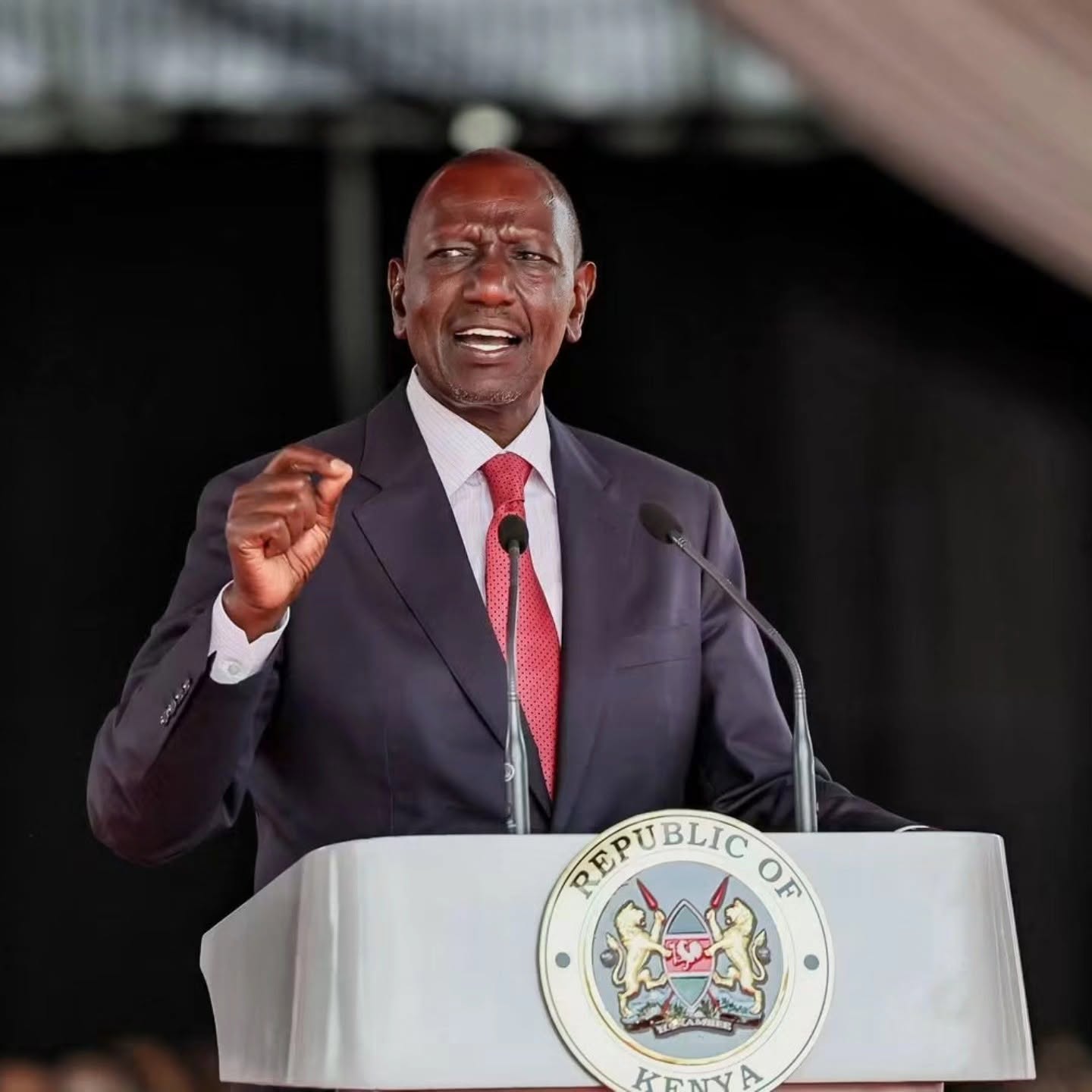
Speaking at the Agriculture and Food Security Transformation Summit at the Jamhuri Park ASK Showground in Nairobi on Thursday, Ruto said the gains reflected improved productivity and better returns for farmers.
“Farmers must put money in their pockets. Milk farmers today, you were getting Ksh35 four years ago, today it is Ksh50 going to Ksh60 and we will move it. It’s not just the price going up, we are producing more milk today,” he said.
Ruto said the increase in milk output had positioned Kenya ahead of other major milk producing countries on the continent, adding that the Government intended to raise production further.
“We’ve moved production from about 4.5 billion litres to 5.6 billion litres last year. In fact, Kenya has overtaken the other two countries, we are now the largest milk producer in Africa. We want to improve it further,” he said.
The President also reported an increase in average daily milk production per cow, from 2.5 kilogrammes to more than 5.6 kilogrammes, which he attributed to improved access to farm inputs and higher productivity.
He said the Government had subsidised 38 million bags of fertiliser since 2022, reducing the price from Ksh7,500 to Ksh2,000. The move, he added, had helped lower production costs by removing intermediaries he accused of inflating prices.
“It is contributed by fertiliser. Silage requires fertiliser so when you reduce the cost of fertiliser, you make it easier for farmers to do silage,” Ruto said.
READ:
Beyond the dairy sector, the President cited gains in crop production, saying maize output had risen from 34.3 million bags in 2022 to about 71 million bags in 2025. Cotton yields also increased from 177 kilogrammes to 378 kilogrammes per acre, while rice production grew from 192,299 tonnes to more than 300,000 tonnes.
Ruto said higher yields were helping reduce production costs and could make food more affordable without undermining farmers’ earnings.
“On the same acre, with the same labour and the same diesel, more bags mean lower cost for every bag. That is how we lower the price of food without lowering the farmer’s income,” he said.
On the dairy sector, the President announced that the Government would pay Ksh8 billion owed by New Kenya Cooperative Creameries (New KCC) to strengthen the company’s capacity to serve farmers.
He also pledged to clear the outstanding Ksh2.8 billion coffee debt and Ksh1.8 billion sugar debt through the next Supplementary Budget.
In the coffee sector, Ruto said reforms had increased the average cherry price from Ksh78.99 to Ksh114.17 per kilogramme, exceeding the guaranteed minimum return of Ksh100. He added that sugar factory workers and sugarcane farmers were receiving payments on time, with farmers also benefiting from bonuses.
RELATED:
The President further said nine million farmers had been mapped and registered on a digital platform to improve agricultural planning and the delivery of services. The Agricultural Finance Corporation, he added, had disbursed Ksh19.9 billion to more than 218,000 beneficiaries over the past four years.
Despite the reported gains, Ruto acknowledged that food security remained a major challenge. Kenya’s annual food import bill has risen two and a half times to about $3 billion, largely driven by imports of edible oil, wheat and rice.
“A country that imports its food imports inflation. Every distant drought, every broken supply chain and every spike in global prices finds its way into every Kenyan home,” he said.
To reduce reliance on imports and strengthen domestic food production, the Government plans to expand irrigation through the development of mega, medium and micro dams under the National Infrastructure Fund. Ruto said the area under irrigation had increased from 664,000 acres to 778,636 acres over the past four years, with the Government targeting 2.5 million acres.
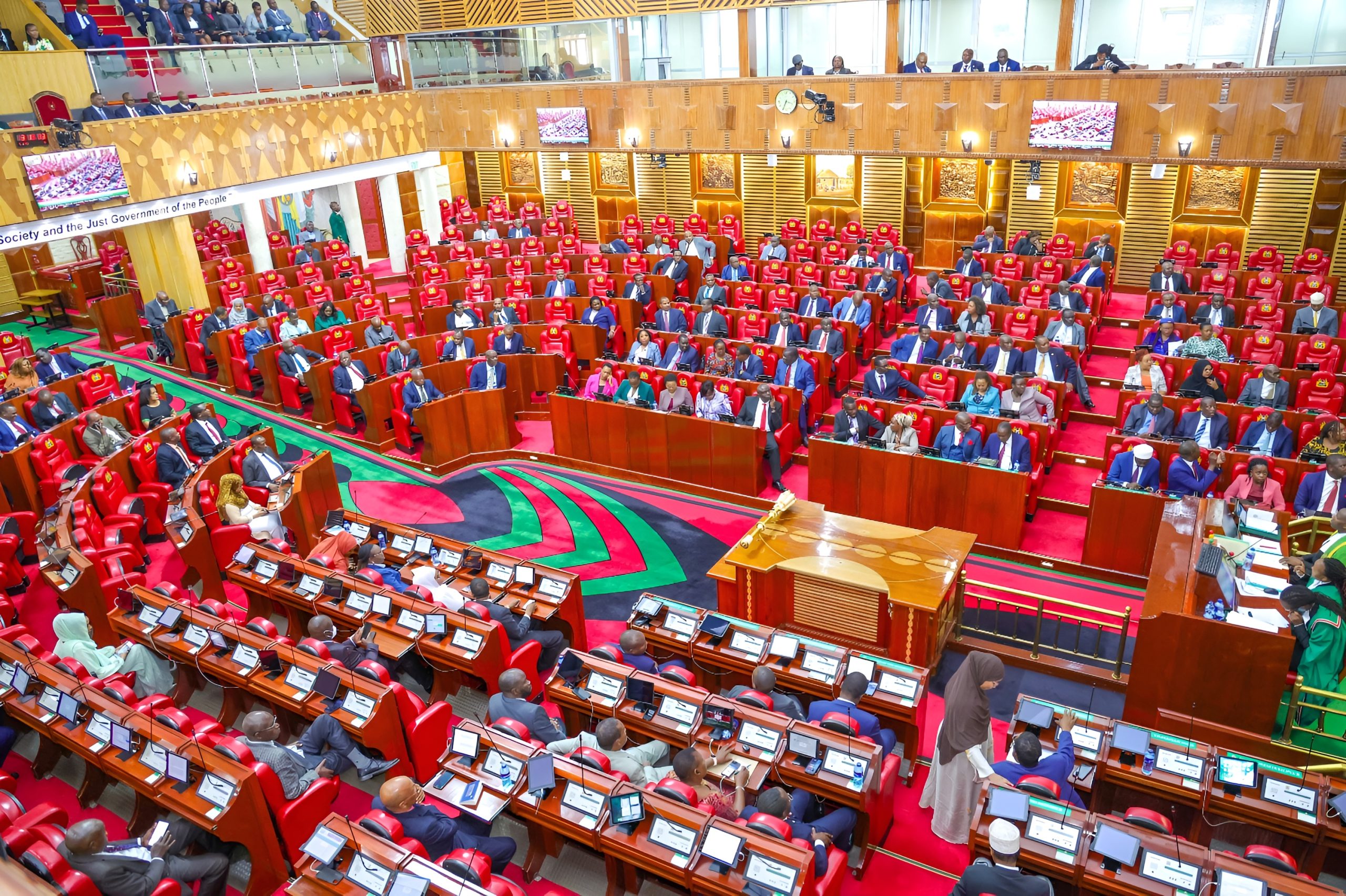
The summit brought together more than 10,000 farmers, agribusiness representatives, agronomists, scientists, researchers and innovators to assess progress in the agricultural sector and explore strategies to improve food security.
By Obegi Malack
Get more stories from our website: Sacco Review.
For comments and clarifications, write to: Saccoreview@
Kindly follow us via our social media pages on Facebook: Sacco Review Newspaper for timely updates
Stay ahead of the pack! Grab the latest Sacco Review newspaper!