- Land buyers could save thousands under Ruto’s proposed stamp duty exemption.
- Higher-value property deals could face a new progressive tax structure.
- The National Treasury is preparing the changes for parliamentary approval.
President William Ruto has announced plans to exempt land and property transactions worth Ksh1 million or less from stamp duty, a move meant to put ownership within reach of ordinary Kenyans.
Ruto made the announcement on Tuesday, October 20, 2026, during the 63rd Mashujaa Day celebrations at Kipchoge Keino Stadium in Eldoret. He said the National Treasury is designing the relief to shield low income earners, young people and small investment groups from steep closing costs.
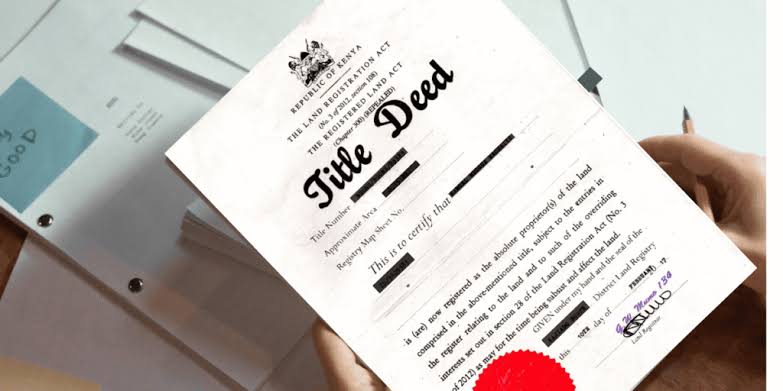
At present, buyers pay stamp duty at 4 per cent of the property value in municipalities and cities. In rural areas, the rate is 2 per cent. Consequently, someone buying a Ksh1 million plot would save as much as Ksh40,000 in an urban area and Ksh20,000 in a rural one. For many low income buyers, those amounts have been enough to keep them from formalising their land ownership.
“We want to make the process of acquiring property affordable and accessible to those at the bottom of the economic pyramid,” Ruto told the gathering. “By eliminating this bureaucratic and financial barrier for transactions under one million shillings, we are opening up the property market to millions of hardworking Kenyans.”
To offset the revenue the waiver would cost, the President said the flat rate system will give way to a progressive structure for higher value properties. Under the new framework, transactions above Ksh1 million would attract higher rates according to valuation brackets. In effect, the heavier burden would fall on luxury developments and expensive real estate.
IN CASE YOU MISSED IT:
The relief is also expected to benefit smallholder farmers, since cheaper transfers could encourage more of them to register their plots. Even so, buyers should not expect to escape all charges. The exemption covers stamp duty only, so costs such as land searches and registration fees will still apply. Authorities are also expected to remain vigilant against sellers who might understate property values to fall below the Ksh1 million threshold.
Ruto linked the proposal to the government’s wider land use agenda. He strongly defended the Affordable Housing Programme, describing it as a way to slow the subdivision of productive farmland as well as a construction drive. In addition, he urged Kenyans to embrace high rise urban living so that large rural areas remain available for crops, tea and dairy farming, and ultimately for the country’s food security.
The National Treasury is now finalising the proposed changes before tabling them in Parliament. If lawmakers approve, the new stamp duty brackets will become law, bringing relief to low income buyers and landowners across the country.
Two details in your source need confirming before publication: the Ministry of Lands clarification on valuers and fees, and the reference to unnamed experts praising the move. I left out the “first time buyer” and “speculative landowners” framing because the announcement did not limit the exemption to either group.
By Benedict Aoya
Get more stories from our website: Sacco Review.
For comments and clarifications, write to: Saccoreview@
Kindly follow us via our social media pages on Facebook: Sacco Review Newspaper for timely updates
Stay ahead of the pack! Grab the latest Sacco Review newspaper!